By James Ferdinand, Senior Chainsaw & Cutting-Tools Writer · Updated August 31, 2026
Direct Answer
An electric chainsaw can fell small trees within its bar length, but larger trees, and any leaning, dead, or roadside tree, are dangerous and belong to a trained professional. A corded saw's range and fixed power also limit felling, so most owners use electric saws for pruning, limbing, and bucking rather than dropping big trees.
An electric chainsaw can cut down a small tree whose trunk fits within the saw's bar length, but felling is the most dangerous chainsaw task and much of it is beyond what an electric saw, or an untrained operator, should attempt. A corded or battery saw with a 16 to 18 inch bar has the cutting capacity for slim trunks, yet capacity is not the same as it being safe or wise.
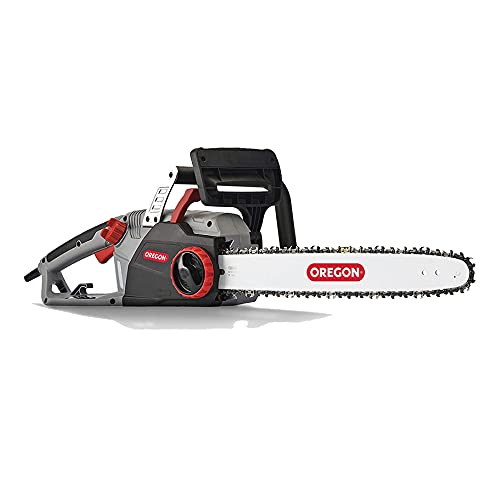
Two limits hold electric saws back for felling. First, corded models are tied to an extension lead, which is awkward and hazardous to manage around a falling tree, so battery or gas saws are more practical away from the house. Second, the fixed motor power of an electric saw is best suited to smaller, softer wood rather than the large hardwood trunks that demand a gas chainsaw.
More important than the tool is the danger. Felling large, leaning, dead, or roadside trees, and any tree near a structure or power line, can kill, and it belongs to a trained arborist with the right equipment and escape planning. Even a small tree can fall unpredictably, so a beginner should start with limbing and bucking wood already on the ground.
For most owners, an electric saw earns its keep on pruning, cutting fallen limbs, and processing firewood rather than dropping standing trees. If felling is a regular need, read our gas chainsaw guide and consider professional help. This is general safety information, not a substitute for hands-on training.
What size tree can an electric chainsaw handle?
An electric chainsaw can fell a tree only up to about its bar length in trunk diameter, so a saw with a 16 to 18 inch bar has the raw capacity for slim trunks of that width or a little less. Capacity, though, is not the same as it being safe or sensible. The fixed power of an electric motor is suited to smaller, softer wood, and even within its bar length a corded saw is happiest on trees a modest homeowner could reasonably handle rather than large, heavy ones.
Why is felling the most dangerous chainsaw task?
Felling is the most dangerous thing you can do with a chainsaw because a falling tree carries enormous energy and does not always fall where you expect. Wind, lean, rot, tension in the trunk, and a tangled canopy can send a tree sideways or backward onto the operator, and a mistimed cut can trap the bar or kick the saw back. A corded saw adds its own hazard, since a trailing lead is one more thing to manage around a moving tree. These risks are why felling demands training, not just a capable saw.
When should you call a professional?
Call a trained arborist for any tree that is large, leaning, dead, or diseased, growing near a structure, fence, or path, or anywhere close to a power line. These situations combine unpredictable falls with high stakes, and professionals bring the rigging, escape planning, and experience to handle them. There is no saw, electric or otherwise, that makes a hazardous fell safe for an untrained operator, so the tool is not the deciding factor here, the danger is.
What should a beginner cut instead?
A beginner is far better served using an electric saw for limbing and bucking wood already on the ground than for dropping standing trees. Cutting fallen limbs, processing firewood on a stand, and pruning low branches build handling skill at a fraction of the risk. If felling is a regular need on your property, read our gas chainsaw guide for the sustained power it takes and seriously weigh professional help. For the everyday cutting most owners actually do, our best electric chainsaw picks cover the right corded saws, and this remains general safety information, not a substitute for hands-on training.
Is a corded or battery saw better for the small trees you can fell?
For the small trees an owner might safely fell, a battery chainsaw is usually more practical than a corded one, because a trailing lead is awkward and hazardous to manage around a falling tree. A corded saw is better kept for bucking and limbing near the house, where the cord stays clear of the action. Neither electric type suits large or hazardous trees, which need a gas chainsaw and, more importantly, a trained operator with the right rigging and escape planning.
Looking for Complete Category Guidance?
Explore our complete, evidence-based master guide for Chainsaws.