Log Splitters, Wood Chippers, Splitting Axes & Firewood Tools
Process firewood efficiently — log splitters, chippers, mauls and axes, plus racks, moisture meters and the stands that make cutting safe. Authoritative manufacturer specifications, sizing parameters, and sub-category master breakdown.
- 7
- Sub-Categories
- 14
- In-Depth Guides
- 66
- Products Reviewed
- Aug 2026
- Last Reviewed

Recommended Products
Sub-Category Micro Hubs
In-depth technical analyses, material specifications, and comparative evaluation.
Gas & Hydraulic Log Splitters
Detailed evaluation of anatomical parameters, safety standards, and practical recommendations for gas & hydraulic log splitters.
Electric Log Splitters
Detailed evaluation of anatomical parameters, safety standards, and practical recommendations for electric log splitters.
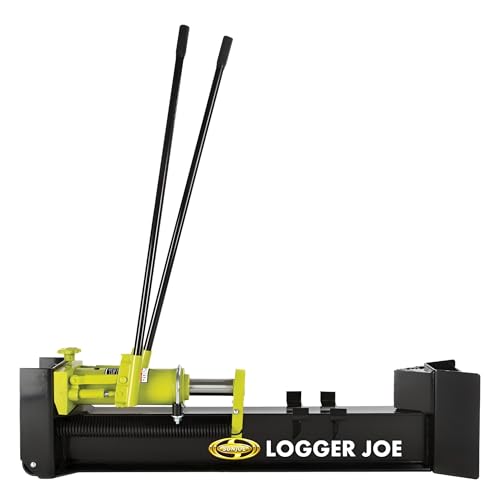
Manual & Kinetic Splitters
Detailed evaluation of anatomical parameters, safety standards, and practical recommendations for manual & kinetic splitters.
Wood Chippers & Shredders
Detailed evaluation of anatomical parameters, safety standards, and practical recommendations for wood chippers & shredders.
Splitting Axes & Mauls
Detailed evaluation of anatomical parameters, safety standards, and practical recommendations for splitting axes & mauls.
Firewood Tools
Detailed evaluation of anatomical parameters, safety standards, and practical recommendations for firewood tools.
Sawhorses & Log Stands
Detailed evaluation of anatomical parameters, safety standards, and practical recommendations for sawhorses & log stands.
Wood processing covers everything that turns logs into stacked, seasoned firewood: gas, electric and manual log splitters, wood chippers for branches, and the hand tools, racks and stands that support the work. Choose splitting power by how much wood you process each year.
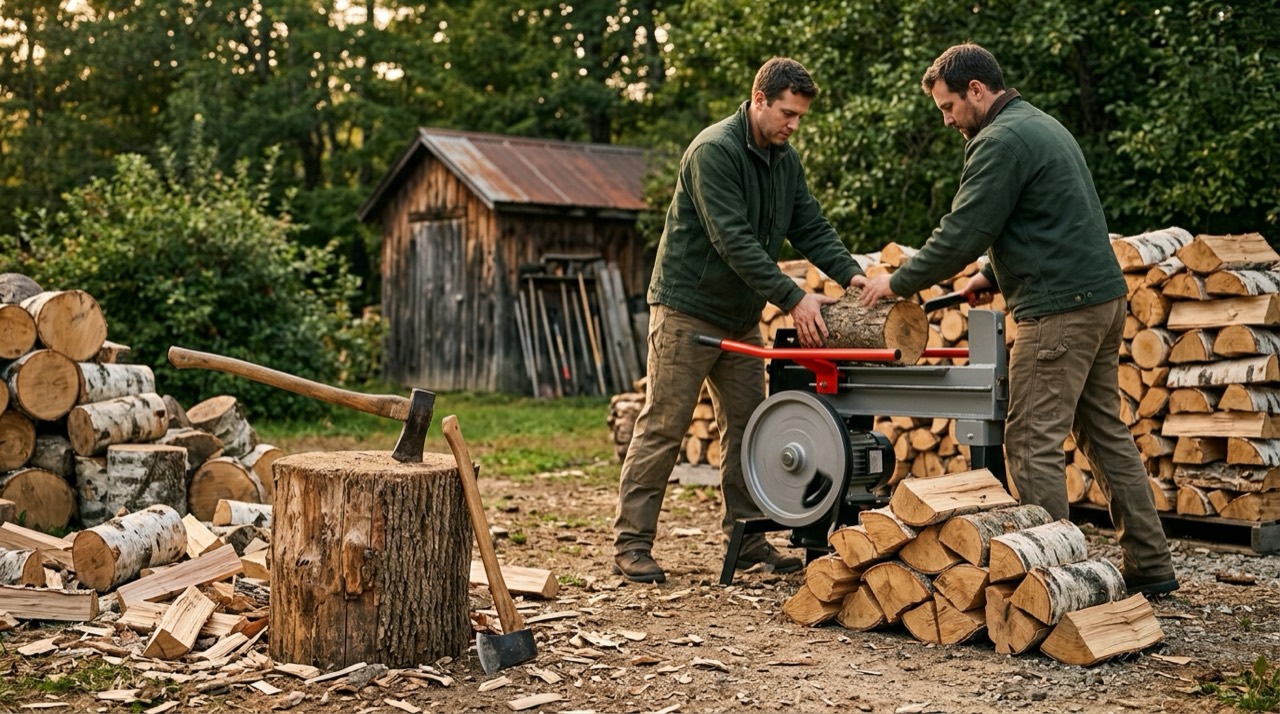
Firewood volume is the honest starting point. If you split a cord or two a season, a compact electric log splitter plugs into a standard outlet, runs quietly and lives happily in a garage. Process several cords, work with big or knotty rounds, or split away from power, and a gas or hydraulic log splitter delivers the tonnage and portability to keep up. For low volumes, or a preference to skip engines entirely, manual and kinetic splitters — from lever presses to slide-hammer designs — split rounds with muscle instead of fuel.
Branches and offcuts are a separate stream. A wood chipper or shredder reduces prunings and limbs to mulch or chips, cutting your brush pile down to something you can actually use or haul away.
Splitters are rated in tons of ram force; more tonnage handles bigger, harder, knottier rounds. Match tonnage and power source to your yearly volume and where you split.
| Yearly volume | Best-fit splitter | Typical force | Why |
|---|---|---|---|
| Under 1 cord | Manual / kinetic | ~10 ton (manual) | No fuel, no power, low cost |
| 1–3 cords, near power | Electric | 5–7 ton | Quiet, indoor-safe, low upkeep |
| 3+ cords or off-grid | Gas / hydraulic | 20–35 ton | Most power, portable, fast cycle |
Once you have a class in mind, each guide links to a shortlist such as best electric log splitters to compare current models.
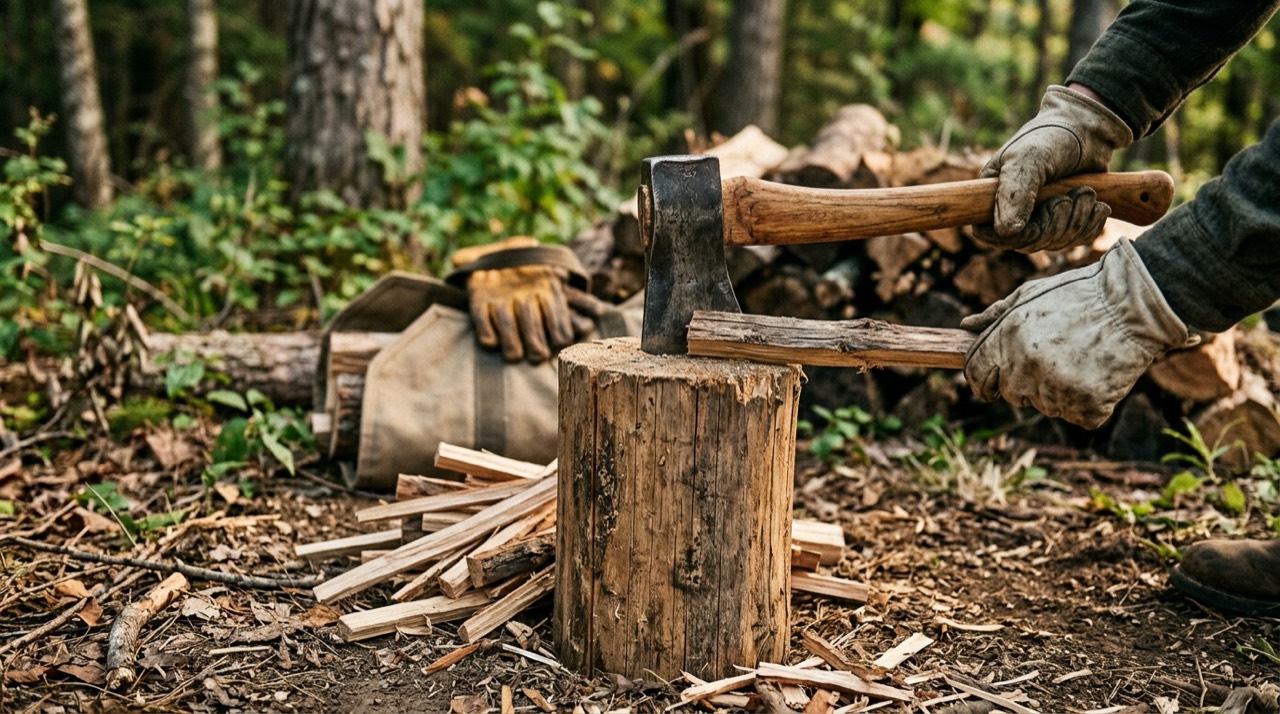
Hand tools still win for small batches, straight-grained wood and anyone who values quiet exercise over throughput. A well-chosen splitting axe or maul splits clean, dry rounds faster than it takes to wheel out a machine — a maul's heavy wedge head pops seasoned oak and ash apart, while a lighter splitting axe suits smaller rounds and longer sessions. Powered splitters earn their place on big volumes, gnarly knotted or twisted grain, and green wood that resists a swing. Many firewood cutters keep both: a maul by the stack for quick jobs and a splitter for the annual bulk run.
The rest of the category is about doing the work safely and storing the results well. A sawhorse or log stand holds rounds at a safe cutting height so you are not bending over a chainsaw or trapping the bar on the ground — a real kickback reducer. Firewood tools cover the seasoning and storage side: racks that keep wood off the ground and airflowing, plus covers, carriers, tongs and moisture meters that tell you when wood has dried below the roughly 20% moisture point where it burns cleanly.
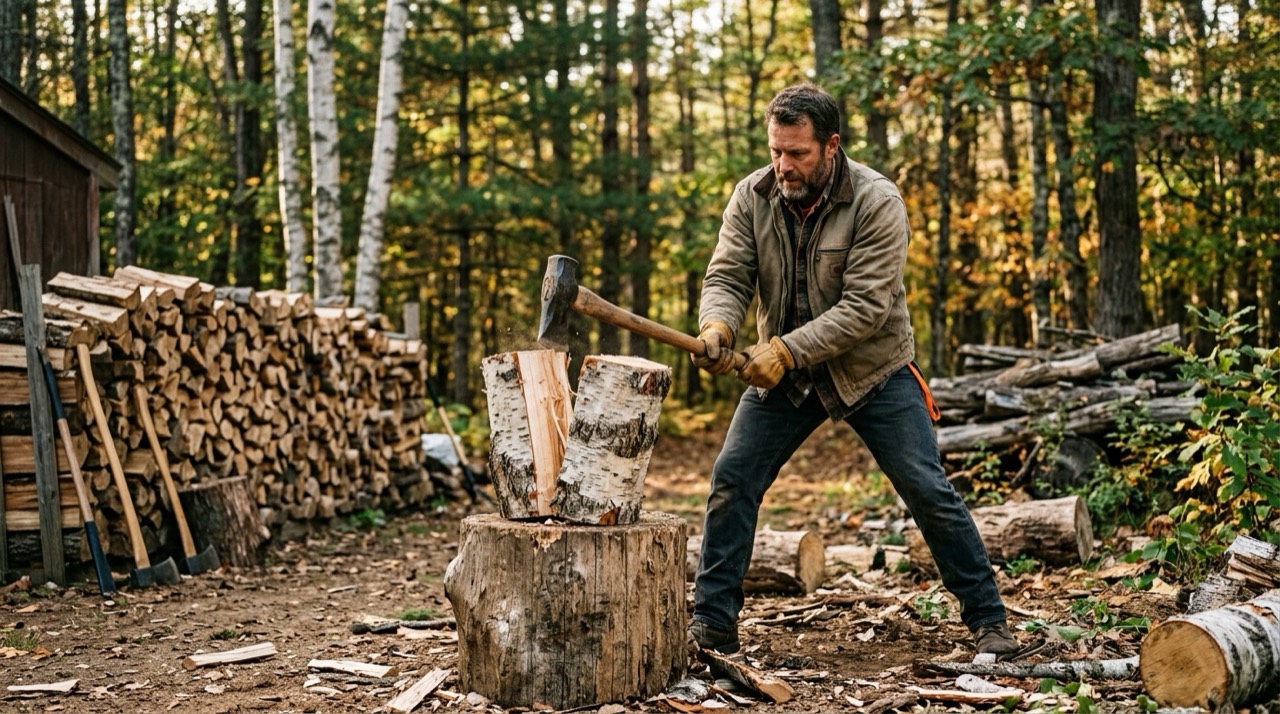
Safety runs through all of it. Log splitters generate enormous force — keep both hands clear of the wedge, and never let a second person feed logs while you operate the control. Splitting by hand calls for eye protection, sturdy boots and a clear swing radius. Chippers are among the most dangerous yard machines: feed with the tool, never your hands, keep loose clothing away from the hopper, and wear eye and hearing protection. Our safety gear and accessories pillar covers the protective kit for the whole workflow.
Splitting force is rated in tons of ram pressure, and the tonnage you need rises with log diameter, wood hardness and how green the wood is. Roughly, 5–7 tons handles seasoned softwood rounds, 10–20 tons covers most hardwood, and 20–35 tons is for large, knotty or green logs.
Tonnage is the honest headline spec, but three things push your requirement up. Diameter is the obvious one — a wide round needs more force to start the split. Species matters just as much: stringy, interlocked woods like elm and gum resist far more than clean-splitting oak or ash. And moisture is decisive, because green (unseasoned) wood is much harder to split than the same log dried.
| Wood and job | Suggested force |
|---|---|
| Small seasoned softwood | ~5–7 ton (electric) |
| Average seasoned hardwood rounds | ~10–20 ton |
| Large, knotty or green logs | ~20–35 ton (gas / hydraulic) |
If you mostly split dry, straight-grained rounds near a power outlet, an electric log splitter in the lower range is quiet and enough. For big volumes, gnarly grain or off-grid work, a gas or hydraulic log splitter delivers the tonnage and portability. When in doubt on hard or twisted wood, size up rather than down — an underpowered splitter stalls mid-log.
Horizontal splitters sit at waist height and suit smaller, liftable rounds you place on the beam; vertical splitters let you split heavy rounds on the ground without lifting them onto a table, which spares your back on big logs. Many gas splitters convert between both.
The choice is mostly about how heavy your rounds are and how much lifting you want to do.
- Horizontal: you lift each round onto the beam; comfortable for manageable logs and quicker to reset between splits.
- Vertical: you roll or tip a heavy round against the wedge on the ground, ideal for large-diameter logs one person cannot lift.
- Convertible (horizontal/vertical): common on higher-tonnage gas machines, giving you both modes for a mixed woodpile.
Whichever style, a sawhorse or log stand holds rounds at a safe height while you cut them to length first, and firewood tools such as tongs and carriers save your back moving split wood to the stack. For low volumes, a splitting axe or maul still beats wheeling out a machine for a handful of clean, dry rounds.
Seasoning is simply drying firewood until its moisture content falls to around 20 percent or below, the point where it lights easily, burns hot and produces far less smoke and creosote. Freshly cut "green" wood can be half water and will hiss, smoke and waste heat boiling that moisture off.
Good seasoning is a process, and the steps below are the reliable version.
- Cut and split promptly — split rounds dry faster than whole logs because more surface is exposed.
- Stack off the ground — use a rack or rails so air moves underneath and the bottom row does not wick up ground moisture.
- Leave gaps for airflow — stack loosely with space between rows rather than packing it tight.
- Cover only the top — a cover sheds rain while leaving the sides open to breathe; wrapping the whole stack traps moisture.
- Give it time — most hardwood needs six months to a year in a sunny, breezy spot; softwood dries faster.
A moisture meter takes the guesswork out — pushed into a freshly split face, it should read around 20 percent or less before you burn. Our firewood tools guide covers racks, covers, carriers and meters that make seasoning and storage easier.
Safety runs through the whole workflow. Log splitters generate enormous force, so keep both hands clear of the wedge and never let a second person feed logs while you work the control. Wood chippers are among the most dangerous yard machines — feed with the tool, never your hands, and wear eye and hearing protection. Our safety gear and accessories pillar covers the protective kit for every stage.