


What Does a Chainsaw Bar Do?
A chainsaw bar is the flat steel blade the chain rides around, and it does three jobs at once: it guides the chain in a straight cut, carries bar oil out to the moving chain, and sets the longest cut your saw can make. Because the bar steers every tooth, its condition decides whether the saw cuts straight or wanders off line.The bar clamps to the powerhead under a side cover, with the chain wrapped around its groove and driven by the clutch sprocket. Four things have to agree before any bar runs on your saw — its length, its mount pattern, its groove gauge, and its chain pitch — and the rest of this guide walks through each one, then how to keep a bar alive once it is fitted.
What Are the Main Parts of a Chainsaw Bar?
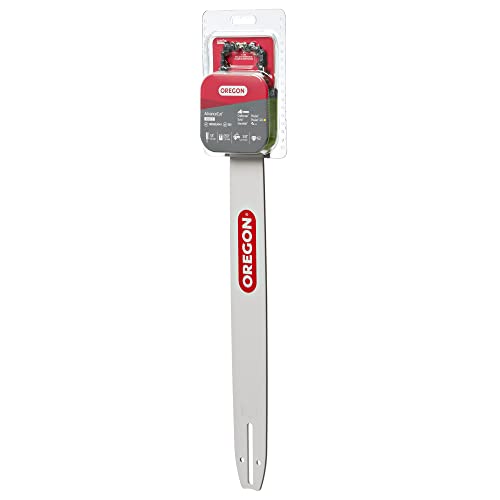
A chainsaw bar has five working parts: the tail, the two rails, the groove between them, the nose, and the oil hole. Each does one job, and knowing them by name makes fit, wear, and repair much easier to diagnose and talk about.- Tail (the mount): the flat end that clamps to the powerhead, carrying the adjuster-pin hole, the stud slot, and the oil-feed hole.
- Rails: the two hardened steel edges the chain drive links ride on; they take almost all of the bar's wear.
- Groove: the channel between the rails that holds the drive links upright and carries bar oil along the bar.
- Nose: the rounded tip — a roller sprocket or a solid hard nose — where the chain turns around and comes back.
- Oil hole: the port in the tail that feeds oil from the saw's pump into the groove.
When any of these wears — rails spread, groove packs solid, nose sprocket seizes — the bar stops guiding the chain cleanly and the saw cuts crooked. Almost every care tip further down this guide comes back to keeping these five parts square, clean, and fed with oil.
Which Four Numbers Define a Chainsaw Bar?
Four numbers define every chainsaw bar: called length, mount pattern, gauge, and pitch. Match all four and a replacement bolts straight on and runs your existing chain; miss even one and the chain will not seat, the studs will not line up, or the oiler will not feed. The table below names each attribute and what it controls.| Bar attribute | What it means | Common values | Why it matters |
|---|---|---|---|
| Called length | Rounded usable cutting length | 12, 14, 16, 18, 20, 24 in | Sets the maximum cut and must stay within the saw rating |
| Mount pattern | Tail slot, stud and oil-hole layout | Oregon codes like D025, A041, K095 | Decides whether the bar physically fits the powerhead |
| Gauge | Width of the rail groove | 0.043, 0.050, 0.058, 0.063 in | Must equal the chain drive-link gauge exactly |
| Pitch | Chain spacing, set by the nose sprocket | 1/4, .325, 3/8, .404 in | Nose sprocket and chain pitch have to match |
Write all four numbers down off your current bar before you shop, because most bars are stamped with them near the tail.
What Bar Length Should You Run?
Run the shortest bar that clears the wood you actually cut, because a shorter bar is lighter, safer, and easier for the engine to pull. Homeowners do their best work with a 14–18 in bar; only reach for a 20 in bar or longer to fell or mill big timber, and only on a saw with the power for it.Every saw carries a maximum recommended bar length. Fitting a longer bar than the powerhead can drive means the chain slows under load, the cut bogs, and the clutch and bar wear fast. As a field rule, pick a bar about two inches longer than the widest log you cut regularly, so the nose clears in a single pass. If you jump between small limbs and large trunks, two bars beat one compromise. Owners of light gas chainsaws and small battery chainsaws especially should resist over-barring an underpowered saw.
How Do You Match a Bar Mount to Your Saw?
Match the mount by the bar tail — its slot shape, adjuster-pin hole, stud spacing, and oil-hole position — not by brand name. Two saws from different makers can share a mount, and one maker can use several. Aftermarket makers like Oregon publish a mount code (a letter-number such as A074 or K095) that groups every powerhead using that pattern.To identify your mount, pull the old bar and compare the tail slot and holes, or look your saw model up in a bar-fit chart. The safest path is to read the code stamped on your current bar and buy the same code in the length and gauge you want. A matched chainsaw chain and bar combo takes out the guesswork, since the pair is already sized to run together.
What Gauge and Pitch Must the Bar Match?
Gauge is the width of the groove the chain drive links ride in — usually 0.043, 0.050, 0.058, or 0.063 in — and it must equal your chain gauge exactly, or the chain jams tight or rattles loose. Pitch is the distance between chain rivets (1/4, .325, 3/8, or .404 in), set by the bar nose sprocket, so bar and chain pitch have to agree as well.You cannot drop a 0.050 chain onto a 0.058 bar and expect it to hold. When you replace a bar, treat the bar and chain as a set: confirm both the gauge and the pitch, and count the chain drive links for the new length. Getting this right the first time saves a thrown chain later — and the chainsaw sharpening guide covers keeping that chain cutting once it is on.
Sprocket-Nose or Hard-Nose Bar?
Choose a sprocket-nose (roller-tip) bar for nearly all cutting, because the small sprocket in the tip lets the chain roll around with far less friction and heat. Choose a hard-nose (solid-tip) bar only for gritty, abrasive work — root balls, dirty storm wood, or some milling — where a nose sprocket would pack with grit and seize.For the vast majority of firewood, felling, and pruning, a sprocket nose is the right answer and what most saws ship with. Hard-nose bars trade speed for durability in dirt and demand extra bar oil to survive the added friction.
Laminated, Solid, or Replaceable-Nose Bars?
Laminated bars, built from three welded steel plates, are light and affordable and suit most homeowner and mid-size saws. Solid one-piece bars resist flex and heat for professional felling, big-bore saws, and chainsaw milling. Replaceable-nose bars let you swap just the worn tip sprocket instead of buying a whole new bar.Pick laminated for everyday cutting, solid for heavy or precision work, and replaceable-nose if you run a saw hard enough to wear tips out. All three still have to match your four fit numbers before any other feature matters.
How Does Bar Oil Keep the Bar Alive?
Bar oil is pumped from the saw tank through the oil hole in the bar tail, into the rail groove, where the chain carries it around the whole bar to cut friction and heat. Starve the bar of oil and the rails turn blue, the groove widens, and the chain can weld itself to the tip — so top up bar oil every time you refuel. The deeper oil choices, from summer weight to tacky winter grades, live in the bar and chain oil guide.How Do You Make a Bar Last?
Flip the bar top-to-bottom every few sharpenings so both rails wear evenly, dress any burr off the rails with a flat file, and clean the groove and oil hole each refuel so oil flows freely. Check that the nose sprocket spins without grinding, and keep chain tension correct. A bar that runs dry, stays clogged, or carries a dull chainsaw chain is a bar you will replace years early — good chainsaw maintenance is the cheapest bar upgrade there is. When a bar is finally worn past dressing, our best chainsaw bars picks cover honest replacements.How Do You Fit a New Bar to the Saw?
Fitting a new bar takes a few minutes with the saw switched off: remove the side cover, seat the bar over the studs, loop the chain on the right way round, then tension and tighten. Work through the steps in order.- Switch the saw off and remove the battery, or pull the spark-plug boot on a gas chainsaw, before touching the chain.
- Unscrew the bar nuts, lift off the side cover, and take away the old bar and chain.
- Drape the new chain around the clutch sprocket and into the new bar's groove, with the top-edge cutters pointing forward along the top of the bar.
- Slide the bar tail over the studs, engage the tension-adjuster pin in its hole, and refit the side cover finger-tight.
- Set chain tension so the drive links stay seated in the groove but the chain still pulls freely by gloved hand, then torque the bar nuts down.
- Turn the chain one full loop by hand to confirm it runs free, and check the oiler with a quick rev before you cut.
Get the chain direction wrong and the saw will just ride on the wood without cutting, so double-check the cutters point forward on the top rail before you tighten anything.
What Are the Signs a Bar Needs Replacing?
Replace a bar when its rails, groove, or nose have worn past what filing and cleaning can fix. The clearest signs are a chain that leans in the groove, rails you can pinch closed, a groove too wide to hold the drive links upright, or a nose sprocket that grinds or sticks.- The saw cuts in a curve even with a fresh, sharp chainsaw chain.
- The chain tips sideways in the groove because the rails have spread or worn unevenly.
- One rail sits visibly lower than the other and dressing no longer squares them.
- The nose sprocket clicks, drags, or refuses to spin freely.
- The groove is cracked or packed solid, or blue heat marks run along the rails.
A worn bar chews through chains and fights the engine, so once it fails these checks a replacement pays for itself, and matching the new bar by mount code keeps the fit right.
What Bar Mistakes Shorten Its Life?
Most bars die early from a handful of avoidable mistakes, nearly all tied to oil, tension, or neglect. Running the bar dry, over-tightening the chain, skipping the groove clean-out, and over-barring an underpowered saw are the four that ruin bars fastest.- Cutting with a starved or empty oiler, which blues the rails within seconds.
- Over-tensioning the chain so it binds and heats the rails and nose.
- Never cleaning the groove or oil hole, so oil stops reaching the chain.
- Forcing a dull chain, which loads the bar with heat instead of cutting.
- Over-barring a light saw so the chain stalls and drags in the cut.
Avoid these and a good bar lasts years. Pair the fixes with regular chainsaw sharpening so the chain does the cutting and the bar is left to simply guide it.