


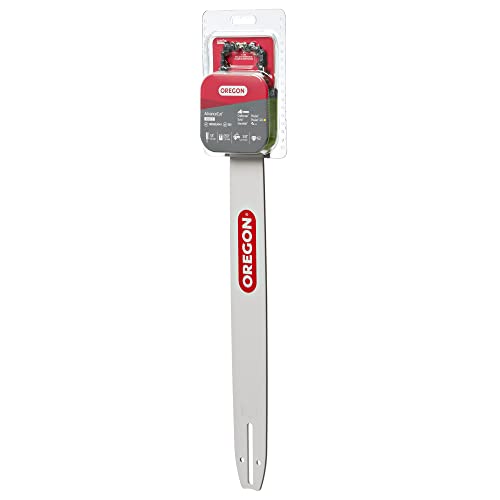

Why Flipping a Bar Matters
A chainsaw bar wears mostly on its bottom rail, because that is the edge doing the cutting for most of the time the saw is in wood. Flipping the bar top-to-bottom moves the fresh rail into the working position and lets the worn one rest, so both rails wear at a similar rate. A bar that is never flipped wears unevenly and cuts crooked long before its time.How Often to Flip
Flip the bar on a regular schedule rather than waiting for a problem. A good habit is to turn it over every time you fit a new chain, or every second or third sharpening. If you notice one rail lower than the other, or the saw drifting to one side in a straight cut, flip it straight away and dress the rails.How to Flip a Bar Correctly
Switch the saw off, remove the battery or spark-plug boot, then take off the side cover, lift out the bar and chain, rotate the bar over, and refit it with the chain and correct tension. Check the oil hole lines up and is clear, since some bars feed oil from both faces. Wear cut-resistant gloves throughout, because the chain teeth are sharp.Pair Flipping With Rail Dressing
Flipping works best alongside light maintenance. Dress any burr off the rails with a flat file so they stay square, clean the groove and oil hole, and confirm the nose sprocket spins freely. Together these steps can double how long a bar lasts.Which Bars Should Not Be Flipped?
Not every bar is designed to flip, so check yours before making it a habit. Bars with an oil hole or markings on one face only, or an asymmetric rail profile, are built to run one way up and should not be turned over.- Single-sided oiling: if oil feeds from only one face, flipping can cut off the oil supply.
- Asymmetric or marked bars: some pro bars are stamped to run one way and are not symmetrical.
- Bars already worn to one side: a badly one-side-worn bar may not seat flat once flipped.
If your bar feeds oil from both faces and is symmetrical — as most homeowner bars are — flipping is not only safe but recommended. When unsure, check the manual or the maker's chart before turning it over.
How Do You Tell a Bar Is Ready to Flip?
A bar is ready to flip when the working rail starts wearing faster than the resting one, shown by the saw drifting to one side or one rail sitting lower. Rather than wait for that, flip on a schedule tied to chain changes so wear never gets a head start.- The saw pulls to one side in a straight cut with a sharp chain.
- One rail measures or looks lower than the other.
- A new chain sits slightly tilted in the groove.
- You are fitting a fresh chain anyway — a natural flip point.
Catching uneven wear early and flipping straight away keeps both rails square. Combine it with the chainsaw sharpening routine so a sharp chain and an even bar work together.
What Happens If You Never Flip a Bar?
A bar that is never flipped wears its bottom rail far faster than its top, so it soon cuts in a curve and drops the chain sideways in the groove. The uneven rails spread, the groove widens on one side, and the bar reaches the scrap pile years before an evenly worn one would.That one-sided wear also drags on the chain, so chains dull and stretch faster on an unflipped bar. Flipping costs nothing but a minute at each chain change and can roughly double a bar's life, which makes skipping it one of the more expensive small habits in chainsaw ownership.
Worked Example: A Flip Schedule for a Firewood Saw
Say you cut firewood most weekends and sharpen the chain after every couple of tanks. A simple schedule is to flip the bar each time you fit a brand-new chain, and to check the rails at every sharpening in between, flipping early if one side is wearing faster.Over a season that might mean flipping the bar four or five times, dressing the rails with a flat file whenever you flip, and cleaning the groove and oil hole at each refuel. Kept to that rhythm as part of routine chainsaw maintenance, the bar wears evenly and outlives several chains.


