


What are hand pruners, and what can they cut?
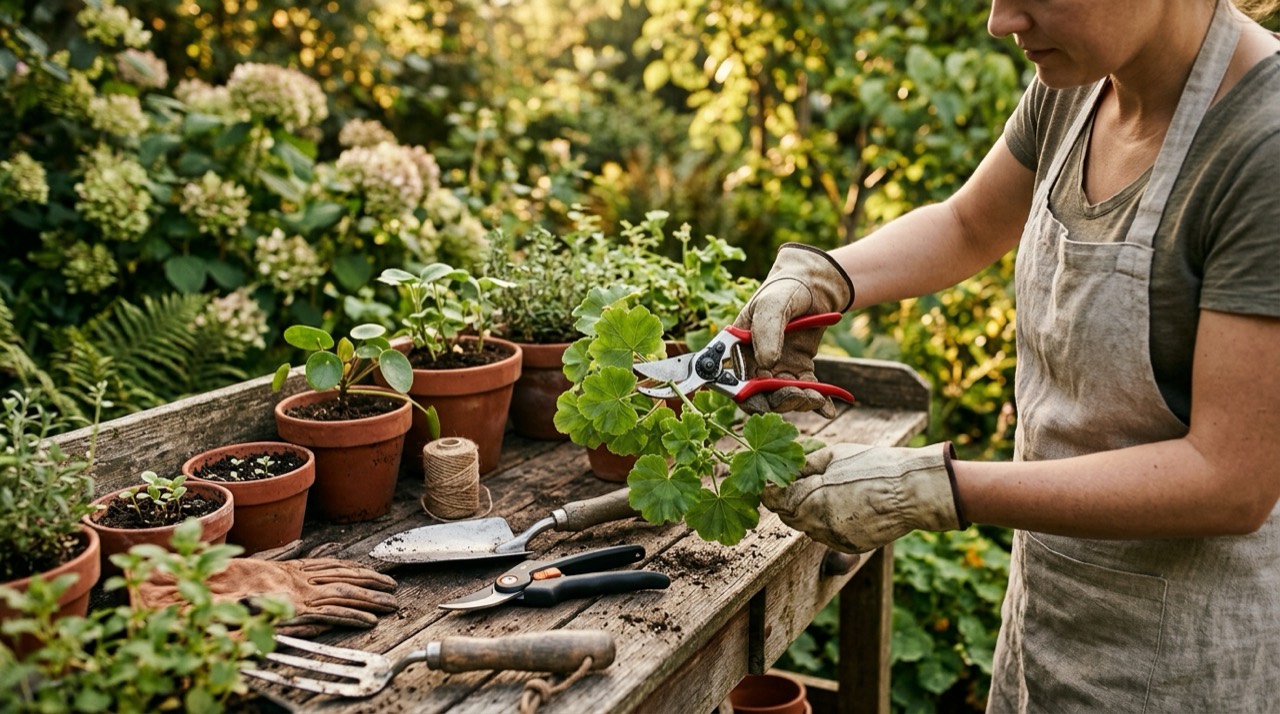
Hand pruners — called secateurs in the UK and Australia — are one-handed cutting tools that slice through green stems, canes, and small branches up to about ¾ inch (roughly 20 mm) thick. They are the everyday workhorse of the garden, used for deadheading, harvesting, shaping shrubs, and light pruning.
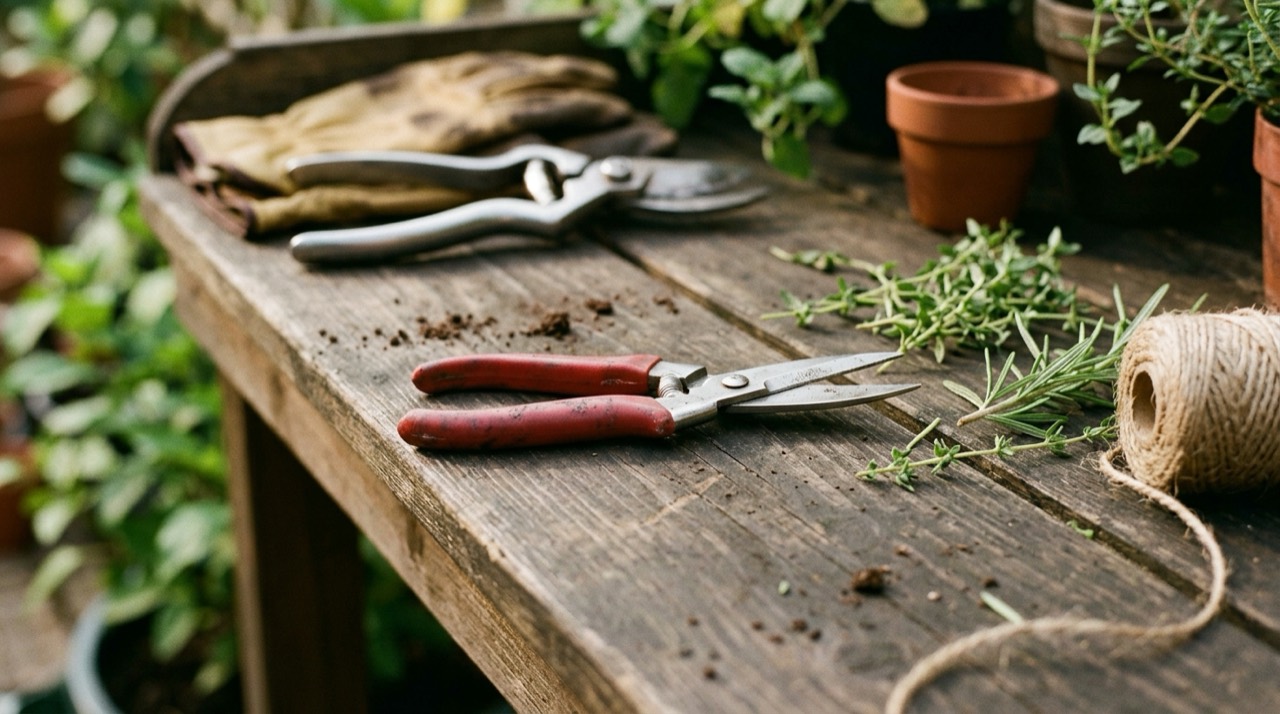
Every quality pruner shares the same core anatomy: two handles, a return spring that reopens the tool after each cut, a safety catch that locks the blades closed, and a cutting head that is either bypass or anvil. The head design decides what the tool does well far more than the label on the handle. Anything thicker than your thumb belongs to a pair of loppers or a pruning saw; forcing a pruner through oversized wood springs the blade, strains your wrist, and crushes the stem. Keep the safety catch on between cuts and your fingers clear of the jaws, because a sharp secateur closes hard and fast.
Should you choose bypass or anvil pruners?
Choose bypass pruners for almost all living-plant work and anvil pruners for cutting dead, dry, or woody stems. Bypass pruners cut like scissors, a curved blade sweeping past a fixed hook to leave a clean, close cut that heals fast. Anvil pruners crush the stem against a flat plate, which powers through deadwood but bruises live tissue.
The differences that decide the choice are set out below.
| Feature | Bypass pruner | Anvil pruner |
|---|---|---|
| Cutting action | Blade passes a hooked jaw, like scissors | Blade closes onto a flat plate, like a knife on a board |
| Best for | Live stems, green growth, roses, close cuts | Dead, dry, and woody stems; rough cutting |
| Cut quality on live wood | Clean and close, heals well | Can crush and bruise the stem |
| Reach into tight growth | Slim head fits between stems | Bulkier head |
| Typical user | Most gardeners, most of the time | Deadwood clearing, thick dry stems |
Most gardeners should own a bypass pruner first and add an anvil or ratchet model only if they regularly cut deadwood. Our anvil versus bypass pruning shears comparison works through the choice with current models on both sides.
What cutting capacity and blade material matter?
Match cutting capacity to the wood you actually cut: most quality pruners are rated for stems up to about ¾ inch (20 mm), and cutting near that limit repeatedly wears the tool and tires your hand faster than staying below it. Capacity is set by the size and geometry of the head, not by squeezing harder.
Blade material sets how sharp the tool gets and how long it stays that way. Hardened high-carbon steel, used by Felco and Corona, takes a keen edge and re-sharpens easily, but it must be kept oiled or it rusts. Japanese makers such as ARS and Okatsune use very hard steel that arrives razor-sharp and holds an edge unusually well. Coated or stainless blades resist rust and sap build-up with less upkeep, at some cost to ultimate sharpness. Whichever you pick, a sharp blade — not a hard squeeze — does the work, and a keen edge is the difference between a clean cut that heals and a ragged one that invites disease.
How should pruners fit your hand?
Fit the pruner to your hand span and grip strength, because a tool that is too big forces your fingers to overreach and tires them within minutes. Manufacturers publish size guides; Felco alone offers compact bodies like the F-6 for smaller hands and rotating-handle models that reduce blistering over long sessions.
If arthritis or a weak grip makes standard pruners painful, two mechanisms help. Geared, or compound-action, pruners such as the Fiskars PowerGear2 multiply your squeeze through a cam, so a modest effort cuts a stem that would defeat a plain bypass. Ratchet pruners cut in stages, each squeeze advancing the blade a little further, letting you divide one hard cut into three or four easy ones. Both trade a little speed for a lot less hand strain, and both appear in our best hand pruners roundup.
How do you keep hand pruners sharp, clean, and rust-free?
Wipe the blade after every session, keep it sharp with a few strokes of a file or whetstone, and take the pruner apart occasionally to clean off dried sap and re-oil the pivot. Ten minutes of care keeps a good pruner cutting cleanly for decades, since quality models from Felco, Corona, and ARS use fully replaceable blades, springs, and pivots.
Sap and plant residue are the real enemies: they glue the blades, dull the edge, and can carry disease between plants. A clean, sharp pruner also makes a healthier cut, so the plant seals over faster. The right sharpening files and tools restore a keen edge in minutes, and a pair of work gloves keeps your hands safe while you handle the exposed blade during cleaning.
What are ratchet and geared pruners, and when do they help?
Ratchet and geared pruners are mechanical-advantage tools that cut the hand force each stroke demands, and they help most when your grip is weak, your session is long, or a stem sits at the top of a pruner's rated capacity. Both let a modest squeeze do work that would otherwise strain your fingers and wrist.
A geared, or compound-action, pruner routes your squeeze through a cam or gear so the blade closes with more force than your hand supplies — the Fiskars PowerGear2 is the familiar example. A ratchet pruner instead cuts in stages: each squeeze advances the blade a set amount and holds it there, so one hard cut becomes three or four easy ones. Gearing keeps the single-squeeze speed of a normal pruner while lightening it; a ratchet trades speed for the lowest possible effort per stroke, which is why it suits arthritic hands and dry, dead wood. Neither mechanism adds capacity beyond the head's rating — they make the rated cut easier, not bigger. Both are ranked against plain bypass models in our best hand pruners roundup.
How do you use hand pruners correctly?
Use hand pruners by taking one clean, committed cut per stem within the tool's capacity, with the blade set toward the growth you keep. Rushing, twisting, or half-closing the jaws is what springs blades and tears wounds, so good technique protects both the plant and the tool.
The steps for a clean, safe cut are listed below.
- Release the safety catch and check the blade is clean and sharp before you start.
- Choose a stem within the pruner's rated capacity — under about ¾ inch for most models.
- Seat the stem deep in the jaws, near the pivot, where the tool has the most leverage.
- Turn the pruner so the cutting blade faces the part of the plant you are keeping.
- Close the handles in one firm, smooth squeeze; never rock or twist the tool through the wood.
- Re-engage the safety catch whenever you pause or move between plants.
Seating the stem near the pivot rather than out at the tip roughly doubles the effective leverage, so a cut that stalls at the blade tip often closes easily deeper in the jaws. If a stem will not part in one squeeze, it is too thick for the tool — step up to loppers or a pruning saw rather than forcing it.
What safety gear and precautions do hand pruners need?
Treat a sharp secateur as the small edged tool it is: keep the safety catch engaged between cuts, your free hand behind the blade, and a pair of work gloves on when you reach into thorny or dense growth. A quality pruner closes hard and fast, and most pruner injuries are self-inflicted pinches or slips rather than plant-related.
The precautions that prevent the common injuries are listed below.
- Never cut toward your holding hand or your body; position the stem so the blade closes away from you.
- Keep the safety lock on whenever the tool is in a pocket, a holster, or a bin.
- Cut at or below shoulder height; overhead limbs, ladders, and anything near power lines are jobs for a manual pole pruner or a trained professional.
- Wipe sap from the handles so the grip does not slip mid-cut.
- Store the tool closed and out of the reach of children, since the spring holds the blade ready to snap shut.
Working within these limits keeps a keen tool from becoming a hazard, and a well-fitted pruner with clean handles is far less likely to slip in the first place.
What are the most common hand-pruner mistakes?
The most common hand-pruner mistakes are cutting stems too thick for the tool, letting the blade go blunt, using an anvil head on live wood, and storing the pruner dirty. Each one either damages the plant, ruins the cut, or shortens the tool's life, and all four are easy to avoid.
- Overloading the jaws: forcing a pruner through wood past its ¾-inch rating springs the blade out of true and crushes the stem. Hand thick stems to loppers or a saw.
- Cutting with a dull blade: a blunt edge tears rather than slices, leaving a ragged wound that heals slowly and admits disease. Hone little and often.
- Using an anvil head on green stems: the flat plate crushes live tissue; keep anvil heads for dead, dry wood and use a bypass on living plants.
- Storing the tool wet or sappy: dried sap glues the action and trapped moisture pits the steel. A wipe and a drop of oil after each session prevent both.
- Twisting mid-cut: rocking the tool to finish a stubborn stem is the fastest way to bend a blade. Reposition deeper in the jaws or move to a bigger tool.
Avoiding these five habits keeps the cut clean and the tool serviceable, and most of them come down to matching the pruner to the stem instead of asking it to do more than it was built for.
How long do hand pruners last, and what do they cost to own?
A rebuildable hand pruner from Felco, Corona, or ARS can last for decades, because the parts that wear — blade, spring, and cushion — are all replaceable for a few dollars, so the tool almost never has to be thrown away. That makes a premium secateur cheaper per year than a bargain model replaced every season.
The running cost of a quality pruner is small once the tool is bought: an occasional replacement blade, a spring every few years of heavy use, a little oil, and a sharpening file. A disposable pruner has no such path — once its riveted, non-replaceable blade dulls or bends, the whole tool is scrap. Over ten years the rebuildable tool usually wins on total cost as well as on cut quality. Keep spares and the right sharpening files and tools organised in your outdoor tool storage, and a good pruner becomes a genuine buy-once tool rather than a recurring expense.
Which hand pruners should you buy?
Buy a bypass pruner such as the Felco F-2 for all-round garden work, a compact Felco F-6 for smaller hands, a geared or ratchet model if your grip tires, and add a dedicated anvil pruner only if you clear a lot of deadwood. Match the tool to your plants and your hands, not to the biggest number on the box.
Our best hand pruners and secateurs roundup ranks current models by use case, and the outdoor hand and cutting tools pillar covers the loppers and garden and hedge shears that take over where a hand pruner stops.