


How do you sharpen bypass loppers?
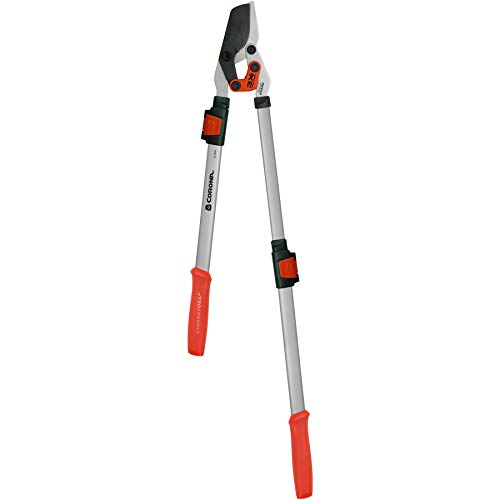
Sharpen bypass loppers by working only the beveled outer face of the single cutting blade at the factory angle, then lifting the burr from the flat inner face with a light pass. Because a bypass lopper cuts like scissors, sharpening the flat face would open a gap between the blades and make the tool tear instead of slice.
Follow a simple sequence with a mill file or diamond stone.
- Open the head and steady it so the beveled blade faces up.
- Run the file along the bevel in one direction, from the base of the blade to the tip, matching the original angle.
- Lay the stone almost flat on the inner face and take one or two light passes to remove the burr.
- Close the loppers slowly to confirm the blades still pass with no gap.
What tools do you need?
You need a file or stone and basic protection. The kit is short: a mill bastard file or a coarse-to-fine diamond stone, cut-resistant work gloves, and a drop of light oil for the pivot and blade. A file removes metal fast on a neglected edge, while a stone refines a working edge that only needs a touch-up. The right files are covered in our sharpening files and tools guide.
What angle should you sharpen at?
Match the factory bevel, which on most bypass loppers sits between about 20 and 30 degrees, rather than guessing a new angle. Keeping the original grind preserves the edge geometry the maker chose for the steel and removes the least metal, so the blade lasts through more sharpenings. Lay the file flat on the bevel and rock it until the whole face sits against it to find the angle, then hold it steady from base to tip so the edge stays even.
How do you know when loppers need sharpening?
Loppers need sharpening when the cut starts to tear, crush, or leave a ragged wound instead of slicing cleanly. A blade that pushes the branch aside, sticks partway through, or needs a harder squeeze than usual is telling you the edge has gone. Catch it early, before you force more branches through a dull blade, because a tearing cut also stresses the plant and can knock the blades out of alignment.
How is this different from anvil loppers?
Anvil loppers are sharpened on both bevels of the single blade, because that blade is a symmetric wedge driving onto a flat plate rather than passing a second blade. Balance the two bevels so the edge stays centered over the plate, and keep the anvil plate itself straight so the blade seats fully. Sharpening the flat inner face of a bypass blade, by contrast, is the classic mistake, since it opens a gap and ruins the scissor fit. For a full routine covering both types, plus cleaning and pivot care, see the loppers guide.
How often should you sharpen bypass loppers?
Sharpen bypass loppers whenever the cut starts to tear or crush rather than slice, which for regular garden use is a few times a season. Frequency depends on how much you cut and how hard the wood is, not on a fixed calendar, so let the quality of the cut tell you when.
A blade that pushes the branch aside, sticks partway through, or needs a harder squeeze than usual has lost its edge. Catch it at that point with a quick touch-up on the bevel, which takes minutes, rather than waiting until the edge is badly worn and needs heavy filing. Cleaning off sap and oiling the pivot between sharpenings keeps the tool cutting well for longer and stretches the interval between edges.
What sharpening mistakes should you avoid?
Avoid three common mistakes: sharpening the flat inner face of a bypass blade, changing the factory bevel angle, and overheating the edge on a powered grinder. Each ruins the cut or the steel, and all three are easy to sidestep once you know them.
The mistakes worth avoiding are listed below.
- Filing the flat face: it opens a gap between the blades so the loppers tear instead of slicing. Sharpen the beveled face only, and take just a light pass on the flat side to lift the burr.
- Changing the angle: a shallower grind chips and dulls faster, a steeper one drags. Match the original bevel.
- Using a bench grinder without care: the heat can draw the temper and soften the edge. A hand file or diamond stone gives more control and is all a lopper needs.
Sharpen away from your body, in one direction along the bevel, and check the blades still pass cleanly before you put the tool away.

