


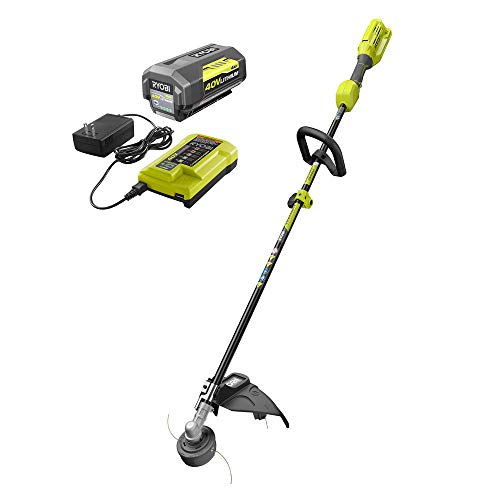

What is a string trimmer, and why do people call it a weed eater?
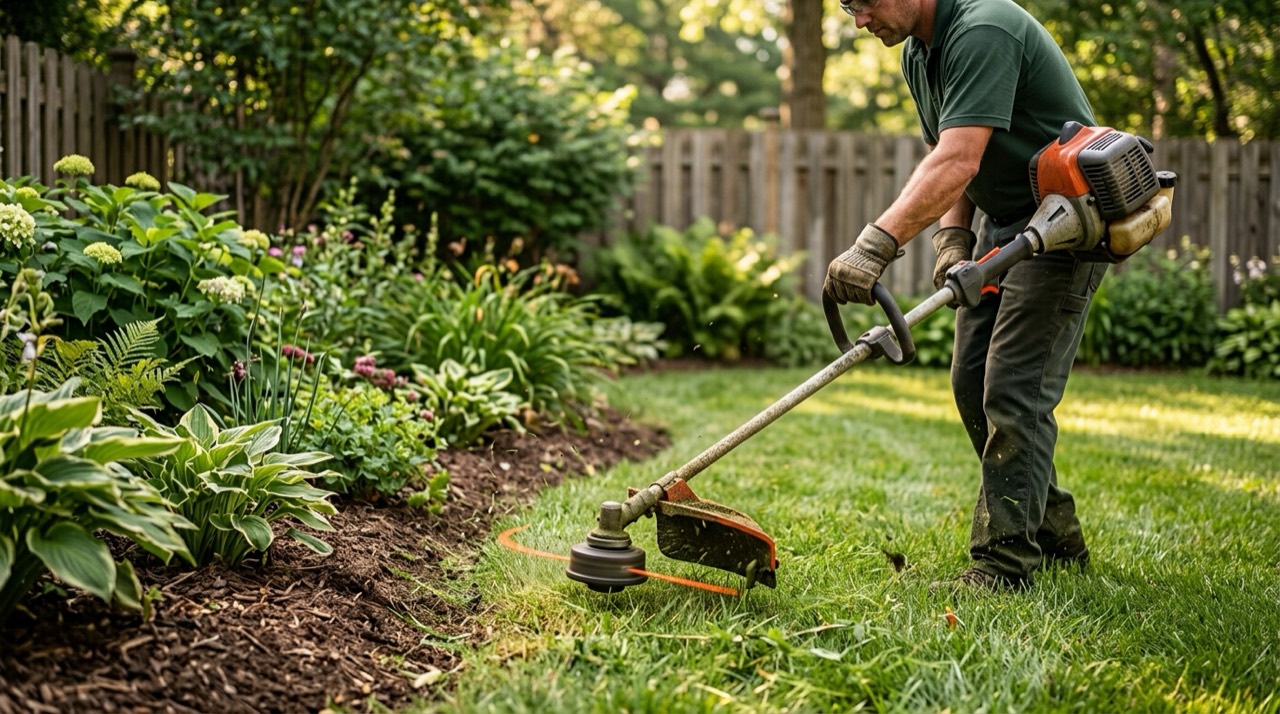
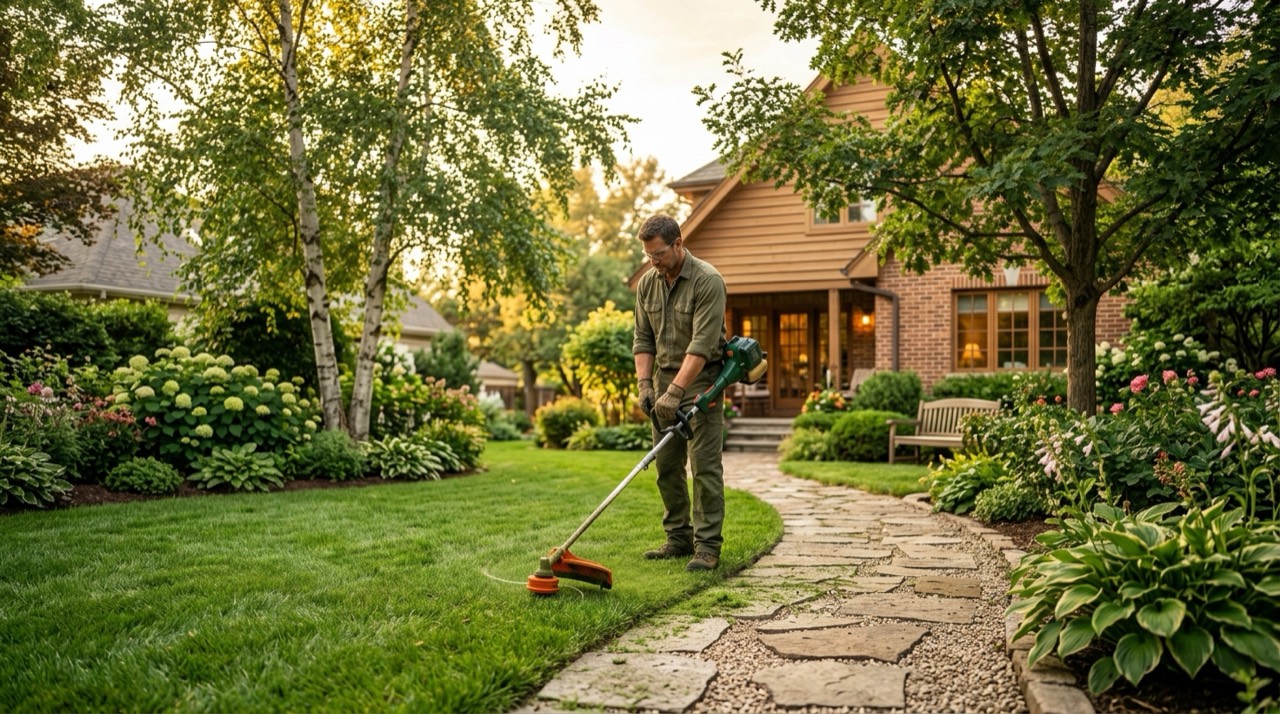
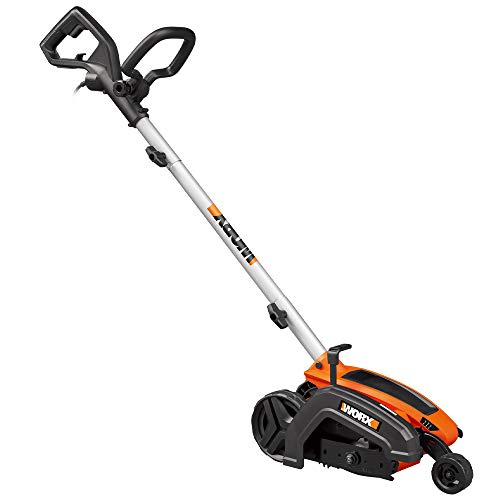
A string trimmer is a handheld yard tool that spins a length of nylon line at high speed to cut grass and weeds where a mower can't reach. "Weed eater" is simply the Weed Eater brand name — now owned by Husqvarna — used generically for any trimmer.Where a mower stops, a trimmer takes over: along fences and garden beds, around tree trunks and mailbox posts, under low shrubs, and tight against walls. Turn most models on their side and the same spinning line edges a clean strip along a driveway or path. For a dedicated wheeled tool that cuts sharper borders, see our lawn edgers guide; to browse the whole category, start at the trimmers, edgers and blowers hub.
Should you buy a gas, battery, or corded electric string trimmer?
Battery trimmers suit most homeowners with small-to-medium yards; gas trimmers handle acreage and thick, woody growth; corded electric models are the cheapest and lightest but tether you to an outlet. Match the power source to your yard size, runtime, and how much noise you can live with.The three power types trade off differently on runtime, weight, and upkeep, as compared below.
| Power type | Best for | Typical runtime | Upkeep |
|---|---|---|---|
| Battery (cordless) | Small to medium yards, quiet work | Around 20–60 min per charge | Minimal — charge and go |
| Gas (2-stroke) | Large yards, acreage, heavy weeds | Refuel in seconds | Fuel mixing, spark plugs, air filters |
| Corded electric | Small yards near an outlet | Unlimited while plugged in | Almost none |
Battery platforms have caught up fast, and a good 40V or 56V trimmer now matches a small gas engine for most homeowner tasks. If you already own cordless tools, staying on one battery system saves money — the same packs run our recommended battery lawn mowers.
What size string trimmer and cutting swath suit your yard?
Match the cutting swath and power to your yard: a 12–13 inch swath on a 20V tool clears a small city lot, a 14–15 inch swath on a 40V trimmer fits a quarter- to half-acre, and a 16–18 inch swath on a 56V or gas machine earns its weight only on larger blocks. A wider swath cuts more grass per pass but is heavier and hungrier for power.Cutting swath is the width of grass the line clears in one sweep, and it decides how many passes a job takes. Bumping from a 13-inch to a 16-inch head sounds minor, yet it removes roughly a fifth of your passes over a lawn — a real saving on a big yard, and dead weight on a small one. Voltage, swath, and yard size line up as shown below.
| Yard size | Typical power | Cutting swath | Notes |
|---|---|---|---|
| Small city lot (under ¼ acre) | 20V battery or corded | 12–13 in | Light, quick, easy to store |
| Suburban ¼–½ acre | 40V battery | 14–15 in | The homeowner sweet spot |
| Large ½–1 acre | 56V battery or gas | 16 in | Add a spare battery or refuel |
| Acreage and roadside | Gas 2-stroke | 17–18 in | Heavy line, harness, endurance |
Don't chase the biggest number on the box. A 16-inch head on a small lawn just tires your arms and drains the pack faster, while an underpowered 20V tool bogs down and stalls in tall, damp weeds. Size the swath to the yard you actually have, and keep a shoulder harness in mind for anything with a 16-inch head or a gas engine.
How do straight-shaft and curved-shaft trimmers compare?
Straight-shaft trimmers reach farther under shrubs and fences, suit taller users, and accept more attachments, while curved-shaft trimmers are lighter, cheaper, and easier to swing for quick trims around a compact yard. Straight shafts also tend to be sturdier for heavier work.Reach and balance decide the choice for most people. A straight shaft keeps the cutting head well out in front of you, which spares your back on long sessions and lets the tool double as a base for edger, brush-cutter, or pole-saw attachments. A curved shaft feels nimble and forgiving for short jobs but keeps the head closer to your feet, so tall users often prefer the reach of a straight boom. Weight distribution follows from that layout too: straight-shaft trimmers usually pair with a shoulder harness for bigger jobs, while curved-shaft models are light enough to swing one-handed for a quick tidy-up. If you only trim a small lawn a few times a month, the lower price and easy handling of a curved shaft are hard to argue with.
What trimmer line diameter and head type should you choose?
Trimmer line around 0.065–0.080 inch handles soft grass; 0.085–0.105 inch cuts thicker weeds; 0.105 inch and up tackles dense, tough growth. Bump-feed heads are the cheapest, automatic and fixed-line heads reduce fuss, and line shape matters as much as diameter.The common feed-head types are listed below.
- Bump-feed heads advance line when you tap the head on the ground.
- Automatic-feed heads pay out fresh line on their own as it wears.
- Fixed-line heads take pre-cut strips and are the fastest to reload.
Line shape counts too: round line is cheapest, while twisted or multi-sided line cuts thick weeds more aggressively. For genuinely woody growth and saplings, a trimmer is the wrong tool — step up to a brush cutter fitted with a metal blade. Whatever head you run, always stay within the line diameter your manual allows: fitting line that is too thick strains the motor, overheats the head, and can jam the feed mechanism.
How do you use a string trimmer without scalping your lawn?
Use a string trimmer by holding it level so the line skims the grass tops, cutting with the very tip of the line, and working the head slowly from side to side. Scalping happens when you tip the head down and drive the line into the soil, which tears out grass crowns and leaves bare patches.Good technique protects both the lawn and the tool, and it follows a simple sequence.
- Set the head roughly parallel to the ground, an inch or two above the soil, so only the line tips touch the grass.
- Cut with the outer tip of the line, not the middle — the tip moves fastest and cuts cleanest, while the body of the line just tears.
- Sweep the head in shallow left-to-right arcs, letting the cut side of the head throw clippings away from the uncut grass and your shoes.
- Move forward slowly and take a little off each pass rather than plunging into tall growth in one hit.
- To edge a path, rotate the trimmer a quarter-turn so the line spins vertically, and walk it steadily along the border.
- Ease off near flower stems, young tree bark, and irrigation heads, where spinning line does real damage in a split second.
Two habits ruin lawns and eat line: burying the head in the turf, which scalps and welds the line into a jammed clump, and swinging too fast, which snaps the line against every fence and paver. On tall or wet growth, take the top off first and step the height down over two passes instead of forcing a single cut. For a crisper, deeper border than a trimmer can hold, a wheeled lawn edger does the job.
How do you keep a string trimmer running well?
Keep a string trimmer running well by clearing grass off the head after each use, checking the line level, and — on gas models — running fresh mixed fuel, cleaning the air filter, and replacing the spark plug about once a year. Battery trimmers need little beyond a charged pack stored somewhere cool and dry.Neglect shows up fast on two-stroke engines, where stale fuel is the single biggest cause of hard starting. Mix only what you'll use in a few weeks, and drain the tank before long storage. On any trimmer, keep the debris shield and its line-cutting blade intact, since a missing shield lets line grow too long and whip. A quick wipe-down and a spare spool of line in the shed will keep most trimmers cutting cleanly for years.
How long does a string trimmer last, and what does it cost to run?
A well-kept string trimmer lasts roughly 5–10 years for a battery model and 10 years or more for a quality gas engine, with running costs coming mainly from replacement line, the odd spool, and — on cordless tools — a new battery every few years. Neglect, not age, ends most trimmers early.Running costs are modest but real, and they differ by power type.
- Line is the main consumable on every trimmer: a large spool is inexpensive and lasts a homeowner a season or more, though tough weeds and hard edges burn through it faster.
- Batteries are the big cordless cost, typically holding strong charge for several years before capacity fades; buying bare tools on a platform you already own spreads that cost across many tools.
- Gas models add mixed fuel, spark plugs, and air filters, plus the occasional carburettor clean — cheap individually, but they demand attention you either enjoy or resent.
- Storage matters more than most people expect: line kept sealed away from sunlight stays flexible, and a gas tank drained before winter avoids the stale-fuel repairs that scrap so many two-strokes.
Over a decade, the honest difference between brands is less about the sticker price than about parts and service. A dealer-supported brand with cheap, available spools and filters can cost less to keep running than a bargain tool you replace when the head cracks and no spare fits. If you want the fuel-and-oil side covered, our bar oil, chain oil and fuel guide explains two-stroke mixing that applies to gas trimmers too.
Which companies make the best string trimmers?
Stihl, Husqvarna, and Echo lead the gas market; EGO, Milwaukee, DeWalt, Greenworks, and Ryobi dominate cordless; Worx and Sun Joe cover budget corded and light battery models. The original Weed Eater brand still sells inexpensive trimmers and is owned by Husqvarna.Reputation follows where each company focuses. Stihl and Echo built their names on durable pro-grade two-stroke engines, Husqvarna spans homeowner to professional, and EGO and Milwaukee lead the shift to serious cordless power. Based on published specs and aggregated owner feedback, the right brand depends less on badge loyalty than on picking the power class your yard needs. Our best string trimmer picks compare current models across all of them.
What safety gear does a string trimmer need?
A string trimmer flings grit, stones, and line fragments at high speed, so always wear wraparound eye protection, long pants, and closed shoes or boots — add hearing protection for any gas model. Keep bystanders and pets back at least 50 feet and never remove the debris shield.Two-handed control, a firm stance, and switching the tool off before you clear a jammed head prevent most injuries. See our hearing and eye protection guide for gear that fits a trimming session. This guide is general information, not a substitute for the operator's manual supplied with your tool.