

What is a backpack leaf blower, and when is it worth wearing one?
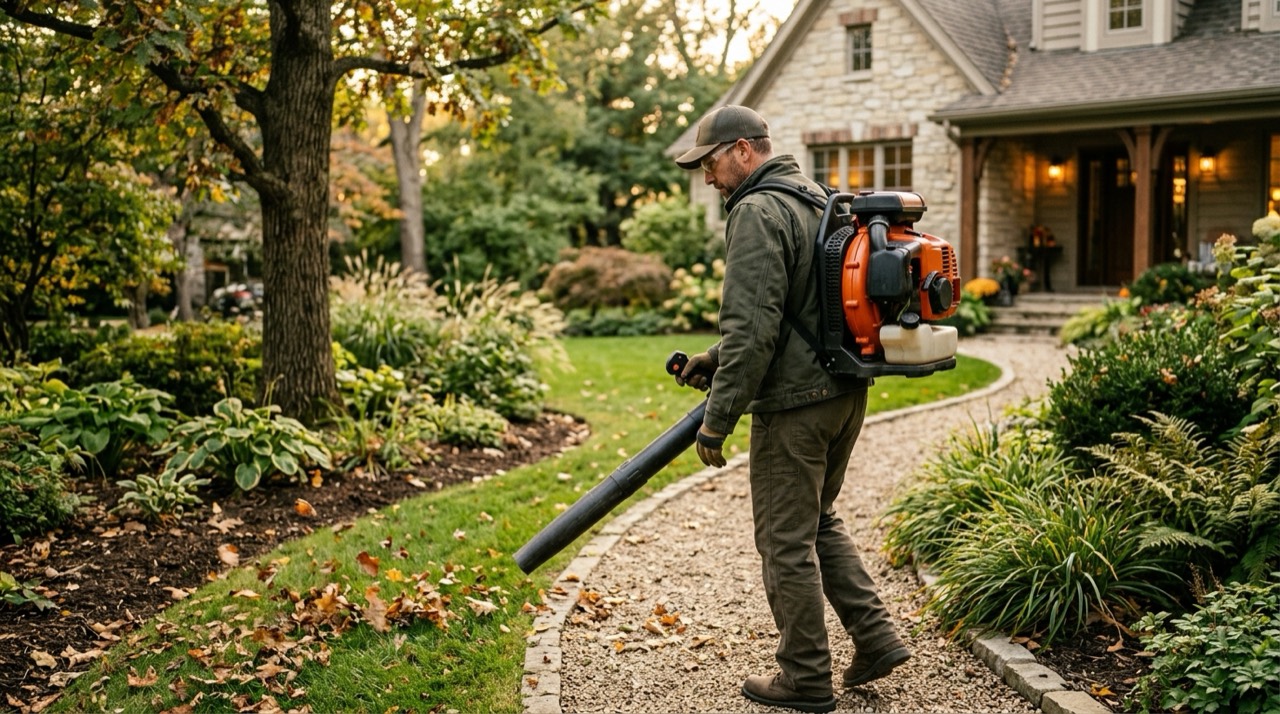
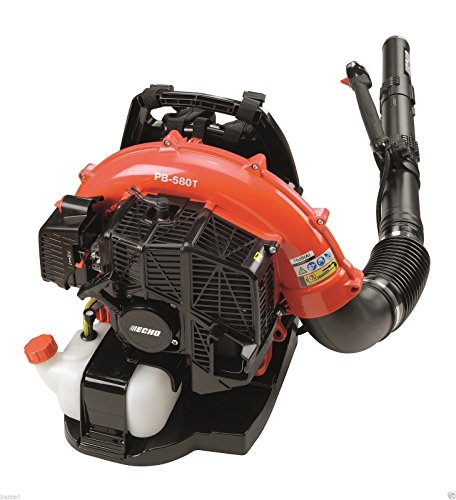
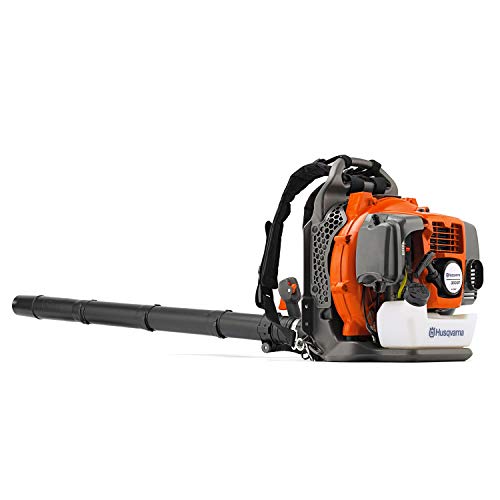
A backpack leaf blower carries its engine or motor in a padded frame on your back and channels the airflow through a handheld tube, so your arms stay fresh while a wide, high-volume air stream does the work. It is worth wearing once a yard is too big for a handheld to clear comfortably.Handheld blowers hang their whole weight on one wrist, which tires you within minutes on a big property; a backpack shifts that load onto your shoulders and hips so you can work far longer. Most backpack blowers also move much more air — roughly 400 to over 900 cubic feet per minute — than a typical handheld. They earn their place on half-acre-and-up lots, long driveways, leaf-heavy fall cleanups, and daily professional work. For smaller jobs, our handheld leaf blowers guide covers lighter options, and the full trimmers, edgers and blowers hub links every related tool.
What size property justifies a backpack blower?
A backpack blower justifies its weight and cost once you are clearing roughly a quarter-acre or more, or any lot with long driveways, deep garden beds, and heavy autumn leaf fall. Below that, a handheld usually finishes the job before fatigue sets in.Property size drives the airflow you need, and airflow in turn drives the size of machine you carry. The table below maps typical yards to a sensible CFM band so you can size the tool to the ground rather than to the marketing.
| Property | Typical use | Sensible airflow | Body style |
|---|---|---|---|
| Small city lot / patio | Clippings, quick tidy-ups | Under 400 cfm | Handheld |
| Quarter-acre suburban | Weekly debris, light leaves | 400-500 cfm | Entry backpack or big handheld |
| Half-acre, leaf-heavy | Driveways, beds, fall leaves | 500-700 cfm | Mid-size backpack |
| Acreage / daily pro use | Deep, wet leaves, all-day work | 700 cfm and up | Pro backpack or wheeled |
If your lot sits on a boundary between two rows, choose the larger machine only if you can carry it comfortably: a well-fitted heavier blower run at part-throttle beats an underpowered one worked flat out. Owners with mixed jobs often keep a handheld for the patio and a backpack for the seasonal leaf load.
How do CFM and MPH decide a backpack blower's real power?
CFM (cubic feet per minute) measures how much air the blower moves, and MPH (miles per hour) measures how fast that air leaves the tube — CFM does the heavy lifting for pushing leaf piles, while MPH helps break wet, matted debris loose. The best backpack blowers pair a high CFM with a usable MPH rather than chasing one number.Marketing leans on MPH because a big speed figure sounds powerful, but volume is what moves a wide row of leaves across a lawn in one pass. A blower rated around 500 cfm and up clears a driveway in fewer sweeps than a high-MPH, low-volume handheld that just scatters debris. Air speed still matters for wet or ground-in leaves, where a faster nozzle stream lifts material the volume alone cannot. Read the two figures together, and treat any single headline number with suspicion.
One honest caveat on the numbers themselves: manufacturers do not all measure CFM the same way. Some quote airflow at the housing before the tube narrows it, some at the nozzle, and a few average the two. That is why two blowers with identical printed CFM can feel different in the hand. Use the published figures to sort machines into broad bands rather than to split hairs between models a few CFM apart, and weigh owner feedback on real-world clearing over any single spec.
Should you buy a gas or battery backpack blower?
Gas backpack blowers still dominate for raw power and non-stop runtime, making them the default for acreage and professional crews; battery backpack blowers have caught up enough for most homeowners, trading a little top-end output for near-silent, fume-free, low-maintenance running. Match the power source to your property size and how long you run at a stretch.Gas engines refuel in seconds and reach 500 to 900-plus cfm, but they ask for mixed fuel, air-filter care, and tolerance for noise and fumes. Battery models such as the EGO Power+ LB6003 and Greenworks and Husqvarna cordless units start instantly at the trigger, run quietly, and need little beyond a clean intake — though runtime ends when the pack drains, so heavy users carry a spare. If you already own a cordless platform, sharing batteries with your string trimmer and mower can tip the decision toward battery.
Why is Stihl the benchmark brand for backpack blowers?
Stihl set the standard for backpack blowers with its BR range — from the homeowner BR 200 and BR 350 up to the pro BR 600 and range-topping BR 800 C-E Magnum — known for strong airflow, tool-free adjustable tubes, and dealer-backed servicing. Landscapers routinely treat the BR 600 and BR 800 as the yardstick other blowers are measured against.Stihl's reputation rests on durability, comfort features like anti-vibration mounts and Easy2Start on some models, and a wide dealer network for parts and repairs. It is not the only strong choice, though — Husqvarna's 350BT, 360BT, and 580BTS and Echo's PB-580T and PB-770T match or beat it on value and airflow depending on the model. Compare the leading machines side by side in our best backpack blowers picks.
How do you fit a backpack blower harness for all-day comfort?
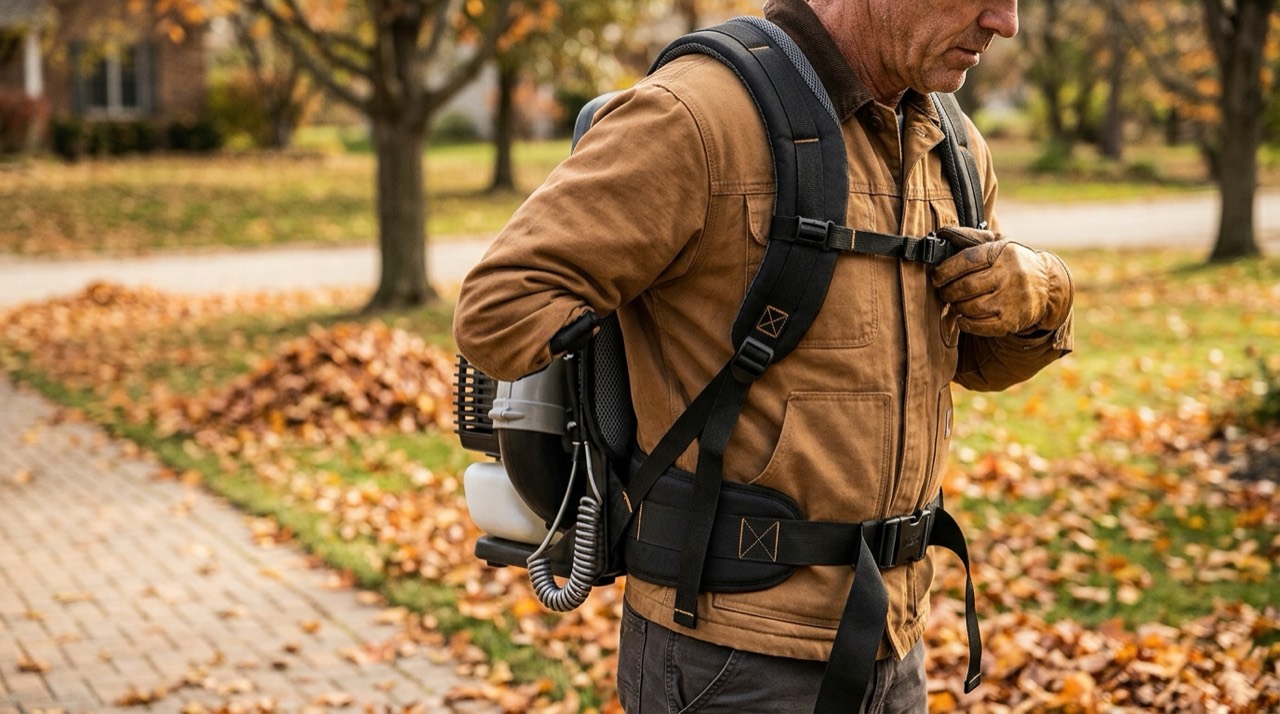
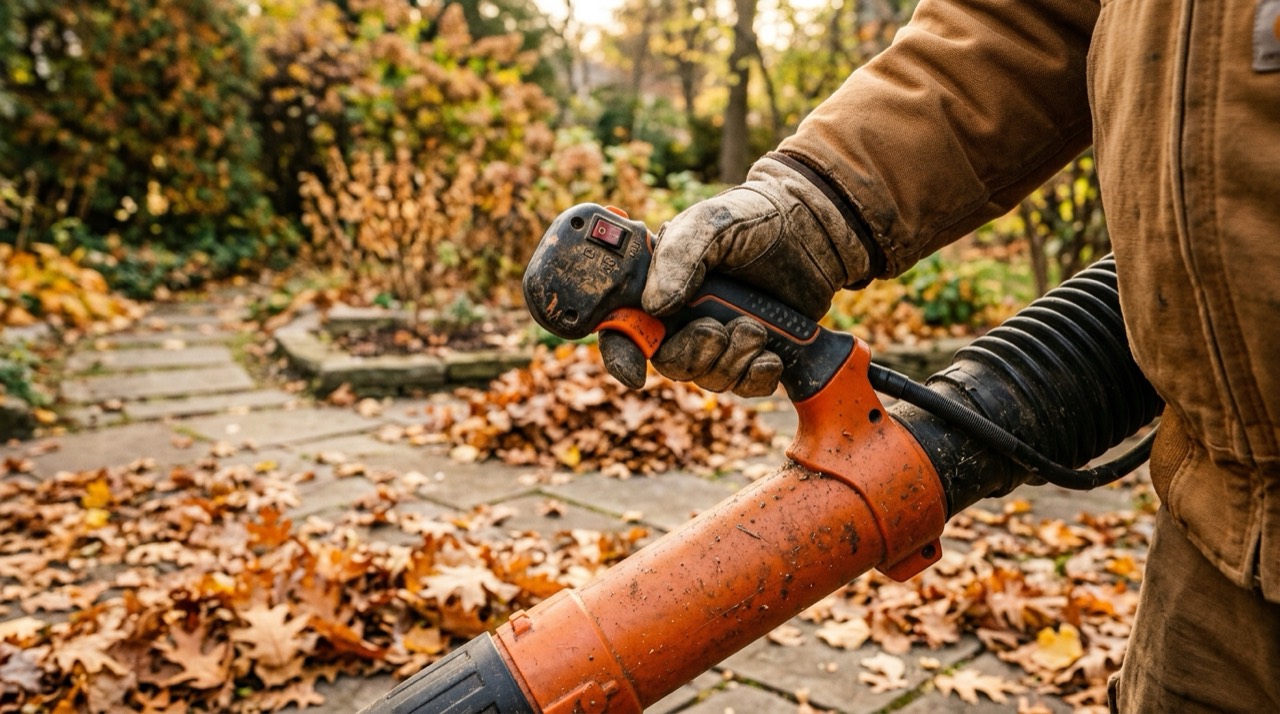
Fitting a backpack blower harness starts with tightening the shoulder straps until the pack sits high and snug, then fastening the hip belt so most of the weight rides on your hips rather than your shoulders. A well-adjusted harness with a padded back panel and anti-vibration mounts is what separates a comfortable hour of blowing from a sore back.Full-size gas backpacks weigh roughly 22 to 25 pounds dry, so the harness does real work. Look for a load-bearing hip belt, a ventilated back pad that keeps you cooler, and an adjustable tube handle you can set to a natural, slightly bent-arm reach. Put the blower on, cinch the shoulders, buckle the hip belt, then fine-tune the tube length last. A heavier blower that fits well often feels easier over a long session than a lighter one that hangs off your shoulders.
What hearing protection and safety gear does a backpack blower need?
Backpack blowers are among the loudest yard tools, often running around 70 to 75 dB(A) at the operator's ear and higher at full throttle, so hearing protection is not optional — wear earmuffs or plugs rated for the exposure every time. Add wraparound eye protection against flying grit, and a dust mask when blowing dry, dusty debris.Long or repeated exposure to blower noise can permanently damage hearing, and the risk builds quietly over seasons. Choose muffs or plugs with a suitable noise reduction rating, keep closed shoes and long pants on, and be mindful of neighbors and any local noise rules. Our hearing and eye protection guide covers the right gear, and the wider safety gear and accessories hub collects the rest of the kit worth owning.
How do you blow leaves and debris efficiently?
Efficient blowing means working with the wind, not against it, and pushing debris into a single downwind pile in steady overlapping rows rather than chasing scattered patches. Keep the nozzle low and angled slightly forward, and use only as much throttle as the job needs.A methodical pattern saves both time and fuel, and the steps below turn a scattered mess into one collectable pile.
- Check the wind direction and plan to blow debris the way it already wants to go.
- Start at the far edge of the area and work toward your chosen collection point.
- Sweep in wide, overlapping rows so nothing is left behind you.
- Keep the nozzle a few inches off the ground and angled forward to roll debris along.
- Drop to part-throttle over gravel, mulch, and near flower beds to avoid scattering them.
- Consolidate the final pile, then bag it or collect it with a lawn sweeper.
Once the debris is gathered, our lawn sweepers and vacuums guide covers picking it up for good rather than moving it twice.
How much does a backpack blower cost to buy and run?
A backpack blower's real cost is the purchase price plus fuel or electricity, consumables, and the odd repair over its life. Entry gas and battery backpacks are the cheapest to buy, mid-size homeowner models sit in the middle, and pro-grade machines cost the most up front but are built to outlast several cheaper units.Running costs split sharply by power type. A gas blower burns mixed fuel and wants periodic spark plugs, air filters, and the occasional carburetor clean, so budget a little each season for consumables and fresh fuel. A battery blower costs pennies to recharge and needs almost no consumables, but the battery pack is a real wear item that will eventually need replacing after several hundred charge cycles. Factor a spare pack into a battery purchase if you run long sessions, and factor a servicing relationship into a gas one — a machine you can get parts and repairs for locally is cheaper to own over years than a bargain unit you cannot.
What common backpack-blower mistakes should you avoid?
The most common backpack-blower mistakes are buying on the MPH number alone, skipping hearing protection, leaving stale fuel in a gas engine, and running an ill-fitted harness that puts the load on your shoulders instead of your hips. Each one is easy to avoid once you know it.Buyers routinely overspend on a huge speed figure attached to modest airflow, then find the machine scatters leaves instead of moving them — size by CFM first. Others store a gas blower over winter with old fuel in the tank and fight a no-start every spring; draining the tank or adding stabilizer prevents it. On the safety side, treating hearing protection as optional is the mistake with the longest consequences, because blower-level noise damages hearing gradually and permanently. Finally, cinching only the shoulder straps and ignoring the hip belt wastes the whole point of a backpack — the belt is what carries the weight, so buckle it every time.
How do you maintain a backpack blower so it lasts?
Maintaining a backpack blower means keeping the air filter clean, using fresh correctly-mixed fuel on gas models, checking the spark plug, and clearing the intake screen of leaves and debris after each use. Battery models need far less — mainly a clean intake and sensible battery storage.For gas engines, use fresh fuel mixed at the ratio in your manual, favor ethanol-free or low-ethanol gasoline, and run the tank dry or add stabilizer before long storage. Replace the spark plug and air filter on the interval your manual lists, and keep the cooling intake and fins clear so the engine does not overheat. Battery blowers store best at a partial charge with clean contacts. A little routine care is the difference between years of refuel-and-go reliability and a frustrating no-start every spring.