



Which blower body style fits your property — backpack, handheld, or wheeled?
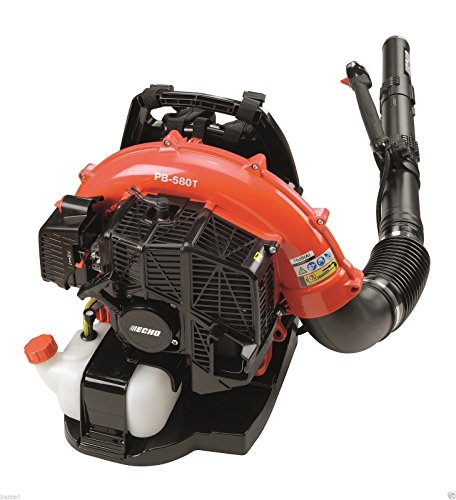
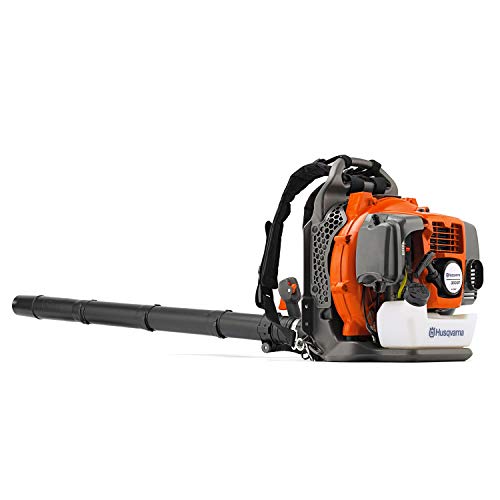
Blower body style should match your property size and how long you run the tool: handhelds suit small yards and quick touch-ups, backpack blowers carry more power comfortably for medium-to-large lots, and wheeled walk-behind blowers move the most air for big open ground. Weight distribution, not just airflow, is what separates them.Each style puts the engine and its weight in a different place, and that changes how long you can work before fatigue sets in. Below, each format is matched to the yard and workload it fits best.
How do the three body styles compare on weight, airflow, and price?
The three styles trade weight, airflow, and price against each other in a fairly consistent pattern: handhelds are lightest and cheapest with the least air, backpacks sit in the middle on all three, and wheeled machines carry no weight on you but cost and bulk the most. The table below lines the formats up.| Body style | Weight on you | Typical airflow | Relative price | Best ground |
|---|---|---|---|---|
| Handheld | 5-11 lb on one arm | Under 400-500 cfm | Lowest | Small yards, decks, quick jobs |
| Backpack | 17-25 lb on shoulders/hips | 400-900+ cfm | Middle | Medium-to-large lots |
| Wheeled walk-behind | None (rolls on ground) | 1,000+ cfm | Highest | Large open ground |
Read the table as a guide to bands, not exact machines: a big battery handheld can overlap an entry backpack on airflow, and a small backpack can weigh less than the biggest handhelds. The pattern that holds is where the weight goes — your wrist, your hips, or the ground — and that is what decides how long you last.
When does a handheld blower make more sense than a backpack?
Handheld blowers make more sense on small yards, decks, and quick jobs where a backpack is more machine than you need. They are lighter to grab, cheaper, and easier to store, and a modern battery handheld clears a patio or a short driveway in minutes without strapping anything on.The limit is endurance. A handheld hangs its whole weight on one wrist and arm, so 10 to 15 minutes of continuous blowing gets tiring, and airflow tops out lower than a backpack. Corded electric handhelds are the lightest and cheapest of all, but the cord tethers you to an outlet; battery handhelds cut the cord at the cost of runtime. If your cleanups are short and your lot is small, our handheld leaf blowers guide covers the best options; once jobs run longer or the leaves pile deeper, a backpack pays off.
When is a wheeled walk-behind blower the right call?
Wheeled blowers are the right call for large, open properties — big lawns, sports fields, long farm driveways — where sheer airflow matters more than reach into tight corners. They roll on the ground so you carry none of the weight, and the biggest units push far more air than any backpack.The trade-offs are bulk and maneuverability. A walk-behind blower is heavy to transport, awkward around garden beds and fences, and expensive, and the biggest gas units can push well over 1,000 cfm that a home yard rarely needs. It earns its place only on wide, unobstructed ground. For most homes, a backpack blower is the practical middle ground between a handheld and a wheeled machine — more airflow and endurance than a handheld, without the wheeled machine's size and price.
How do you decide between a bigger handheld and an entry backpack?
The choice between a big handheld and an entry backpack comes down to how long you run at a stretch: if most sessions stay under about ten minutes, a strong handheld is simpler and cheaper, but if they routinely run longer, the backpack's harness earns its keep. Airflow between the two often overlaps, so comfort usually decides it.An entry backpack such as a lighter Echo or Husqvarna model weighs only a few pounds more than a top handheld yet moves that weight onto your shoulders and hips, which changes how a half-hour cleanup feels. A big handheld saves storage space and money and starts faster for a two-minute patio blow. Ask yourself which happens more often — the quick tidy-up or the long leaf session — and buy for the job you actually repeat. The backpack blowers guide compares specific entry models if you lean that way.
How does a backpack blower's harness keep you comfortable?
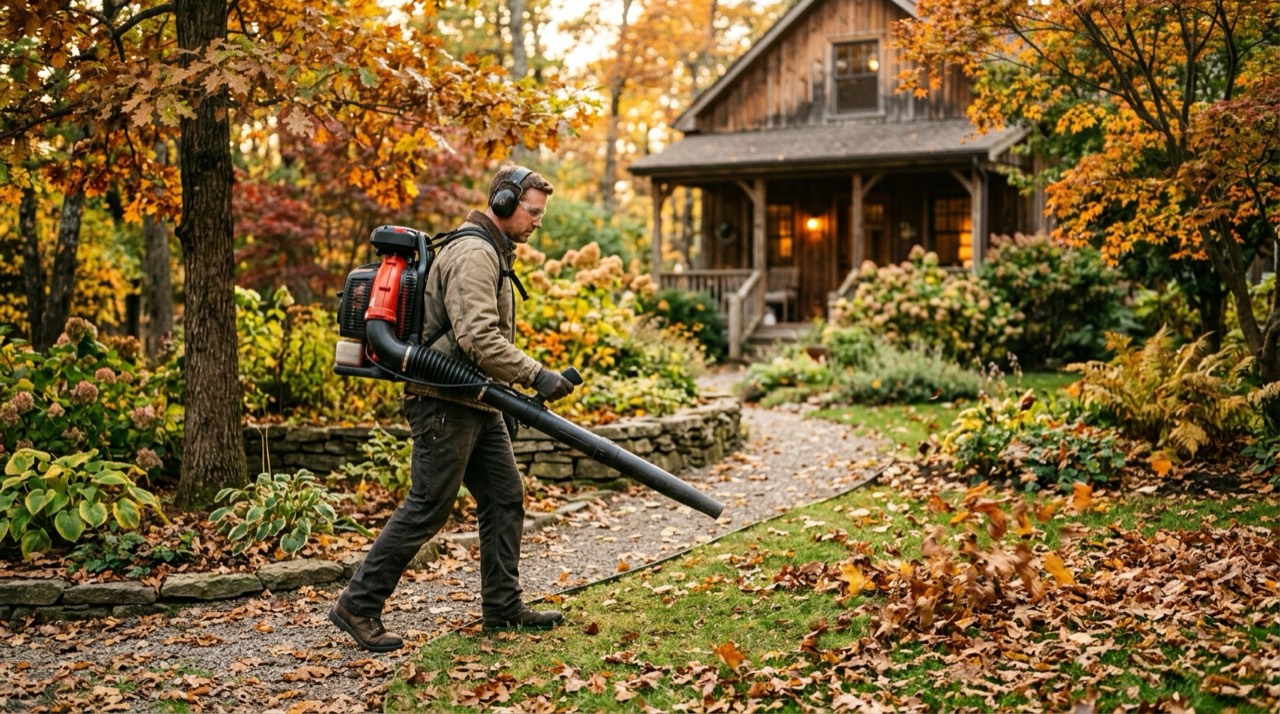
A backpack blower's harness keeps you comfortable by moving the engine's weight off your arms and onto your shoulders, back, and hips. A load-bearing hip belt is the key part — it lets your hips, the strongest support, carry most of the load, while padded shoulder straps and a ventilated back panel handle the rest.Fit is what unlocks that comfort. The steps below get a backpack blower sitting right:
- Loosen all the straps and lift the blower onto your back.
- Tighten the shoulder straps until the pack sits high and snug.
- Fasten the hip belt so most of the weight rests on your hips.
- Adjust the tube handle so it falls to a natural, slightly bent-arm reach.
Anti-vibration mounts between the engine and frame matter too, damping the buzz that otherwise numbs your hands over a long session. A heavier blower that fits well often feels easier than a lighter one that does not.
What maintenance does each body style demand?
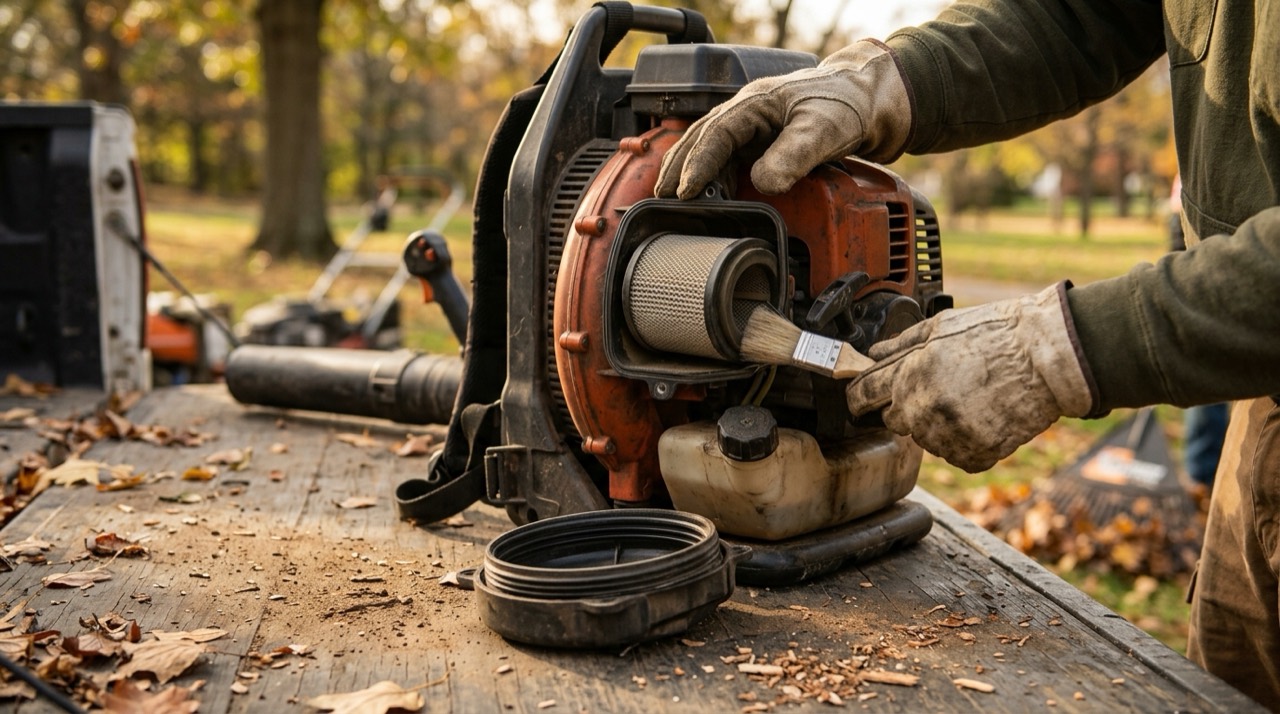
Maintenance scales with the engine and how much of the machine you carry: gas handhelds and backpacks share the same fuel, filter, and plug routine, battery versions of either need almost nothing, and wheeled gas blowers add tires, larger engines, and sometimes a gearbox to the list. More machine generally means more upkeep.A gas backpack asks for fresh mixed fuel, a clean air filter, a healthy spark plug, and a clear intake — the same core checks as a gas handheld, just on a bigger engine. Battery machines of any body style skip nearly all of it, needing only a clean intake and sensible pack storage, which is a large part of their appeal. Wheeled walk-behind blowers, being the biggest, carry the most to look after: engine service plus wheels, and on some models an impeller housing and drive to keep clear. Whichever style you choose, the backpack blowers guide and our bar oil, chain oil and fuel guide cover the fuel and consumables that keep a two-stroke starting.
Which body style suits specific yards?
The right body style follows the yard: small and paved favours a handheld, medium-to-large with beds and driveways favours a backpack, and wide open acreage favours a wheeled machine. Picturing your own property against a few clear cases makes the choice obvious.The scenarios below match common yards to the format that fits them best.
- Small city lot, courtyard, or deck: a corded or battery handheld clears clippings and light leaves in minutes and stores on a shelf.
- Quarter-acre suburban with some leaves: a big battery handheld or an entry backpack both work; the backpack wins if sessions run long.
- Half-acre with driveways, beds, and heavy fall leaves: a mid-size backpack is the sweet spot for airflow and endurance.
- Acreage, sports field, or long farm frontage: a wheeled walk-behind moves the most air with none of the weight on you.
- Mixed property with a patio and a big leaf load: many owners keep a handheld for quick jobs and a backpack for the seasonal cleanup.
If your yard sits between two cases, choose by how long a typical session runs rather than by peak airflow — endurance is what a heavier body style really buys you. Our handheld leaf blowers guide and the backpack blowers guide compare specific models once you have settled on a style.
How loud are backpack blowers, and how do you manage the noise?
Backpack blowers are among the loudest yard tools, commonly running around 70 to 75 dB(A) at the operator's ear and higher at full throttle, loud enough to risk hearing damage over time. Wear hearing protection every time — earmuffs or plugs rated for the exposure — and add eye protection against flying grit.Managing the noise is also about your neighbors. Run the blower at part-throttle when full power is not needed, avoid early mornings and late evenings, and check any local noise ordinances, which increasingly restrict gas blowers by hour or ban them outright. A quieter battery model, covered in our backpack blowers guide, is worth considering in noise-sensitive areas, and the right muffs are in our hearing and eye protection guide.