

How do you start a backpack leaf blower?
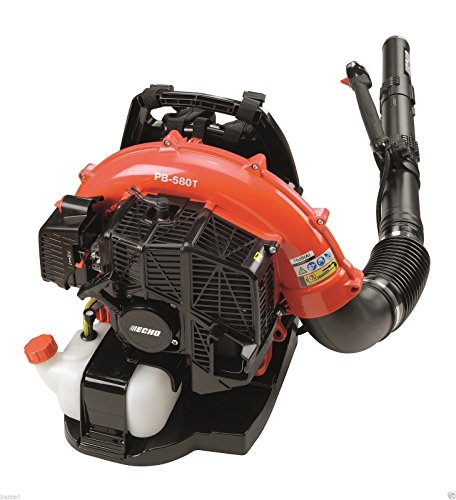
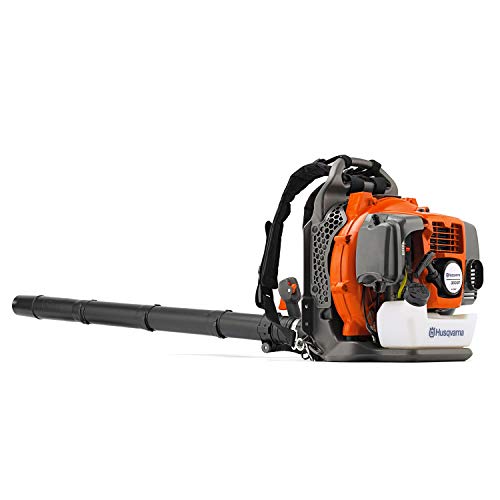
Starting a gas backpack leaf blower follows a set cold-start sequence, and doing the steps in order avoids flooding. Set the blower on the ground before you pull, and keep a firm footing.The cold-start steps are listed below:
- Set the on/off switch or throttle control to the run or start position.
- Press the primer bulb several times until you see fuel fill it.
- Move the choke to the closed (full choke) position.
- Pull the starter cord firmly until the engine fires or coughs.
- Open the choke to the half or run position.
- Pull again to start, then let the engine warm for a few seconds.
For a warm restart, you can usually skip the choke and often the primer — just set it to run and pull. If the engine floods, marked by a strong fuel smell, open the choke fully, hold the throttle open, and pull several times to clear the excess fuel before trying the normal sequence again.
How do you start a battery backpack blower?
Starting a battery backpack blower is far simpler than a gas one: seat a charged battery, switch on the power button if the model has one, and squeeze the trigger. There is no priming, choking, or pulling, and no warm-up — the motor spins instantly and stops the moment you release the trigger.That simplicity is a large part of why battery backpacks suit quiet neighborhoods and low-maintenance owners. Keep the battery contacts clean and the pack charged, and store spares out of extreme heat or cold so they hold capacity. The only regular check is a clear intake screen, since a blocked one makes any blower work harder.
Why won't your gas backpack blower start, and how do you pull safely?
A gas backpack blower that will not start is usually suffering from stale fuel, a fouled spark plug, a clogged air filter, or a flooded engine, and working through those in order fixes most no-starts. Fresh fuel and a clean plug alone cure the majority.Pull the cord safely and effectively by following the points below.
- Rest the blower on flat ground rather than starting it on your back.
- Plant a foot or hand to hold it steady so it cannot tip.
- Pull the cord in a smooth, firm stroke rather than yanking it to full extension.
- Let the cord rewind under control instead of snapping back.
If it still will not fire after fresh fuel, a clean plug, and a clear filter, the carburetor may need attention. For the fuel and upkeep that keep starting easy, see our gas backpack blower fuel and care guide and the wider backpack blowers guide.
How do you clear a flooded backpack blower?
Clearing a flooded backpack blower means burning off the excess fuel that has drowned the spark plug, which you do by opening the choke and pulling the engine through several times with the throttle held open. A strong fuel smell and a wet plug are the tell-tale signs of flooding.Flooding usually happens from over-priming, pulling with the choke closed too long, or repeated failed starts. To recover, move the choke to the fully open (run) position, hold the throttle wide, and pull the cord several firm strokes to draw fresh air through and clear the surplus fuel. If that alone does not work, remove the spark plug, wipe it dry, let the cylinder air for a minute, then refit it and try the normal warm-start sequence. Going slowly and following the sequence prevents the re-flood that catches out impatient starters.
What routine keeps a backpack blower starting easily?
The routine that keeps a backpack blower starting easily is the same short list that keeps it running at all: fresh fuel, a clean filter, a healthy plug, and a clear intake. Machines that start on the first or second pull are almost always the ones kept to that routine.Use fuel mixed within the last month, never leave old mix sitting in the tank over a break, and drain or stabilise the fuel before winter storage so spring starts are painless. Clean the air filter regularly, replace the spark plug on the interval in your manual, and clear the intake screen after each use. Battery owners have it easier still — a charged pack, clean contacts, and a clear intake are all it takes. And wear hearing protection whenever the engine is running, because backpack blowers are loud enough to damage hearing over time — the right muffs are in our hearing and eye protection guide.


