Loppers, Pruning Saws, Machetes, Hatchets & Garden Cutting Tools
Hand-powered cutting tools for pruning and clearing — loppers, pruning saws, secateurs, bow saws, machetes and hatchets, matched to the cut. Authoritative manufacturer specifications, sizing parameters, and sub-category master breakdown.
- 8
- Sub-Categories
- 16
- In-Depth Guides
- 78
- Products Reviewed
- Aug 2026
- Last Reviewed

Recommended Products


Sub-Category Micro Hubs
In-depth technical analyses, material specifications, and comparative evaluation.
Loppers
Detailed evaluation of anatomical parameters, safety standards, and practical recommendations for loppers.
Pruning Saws
Detailed evaluation of anatomical parameters, safety standards, and practical recommendations for pruning saws.
Hand Pruners & Secateurs
Detailed evaluation of anatomical parameters, safety standards, and practical recommendations for hand pruners & secateurs.
Bow Saws
Detailed evaluation of anatomical parameters, safety standards, and practical recommendations for bow saws.
Machetes
Detailed evaluation of anatomical parameters, safety standards, and practical recommendations for machetes.
Hatchets & Camp Axes
Detailed evaluation of anatomical parameters, safety standards, and practical recommendations for hatchets & camp axes.
Manual Pole Pruners
Detailed evaluation of anatomical parameters, safety standards, and practical recommendations for manual pole pruners.
Garden & Hedge Shears
Detailed evaluation of anatomical parameters, safety standards, and practical recommendations for garden & hedge shears.
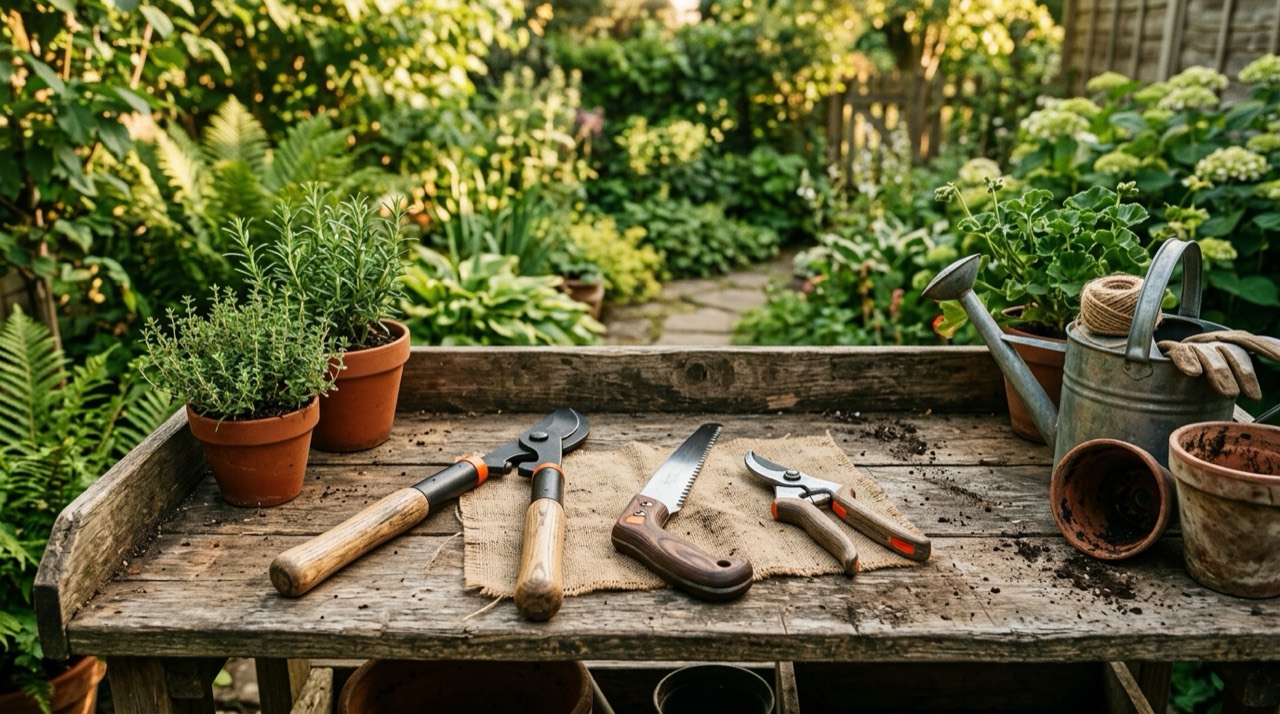
This category covers hand-powered cutting tools for pruning and clearing: hand pruners and loppers for branches, pruning saws and bow saws for thicker wood, and machetes and hatchets for clearing and chopping. Choose mainly by the diameter you cut.
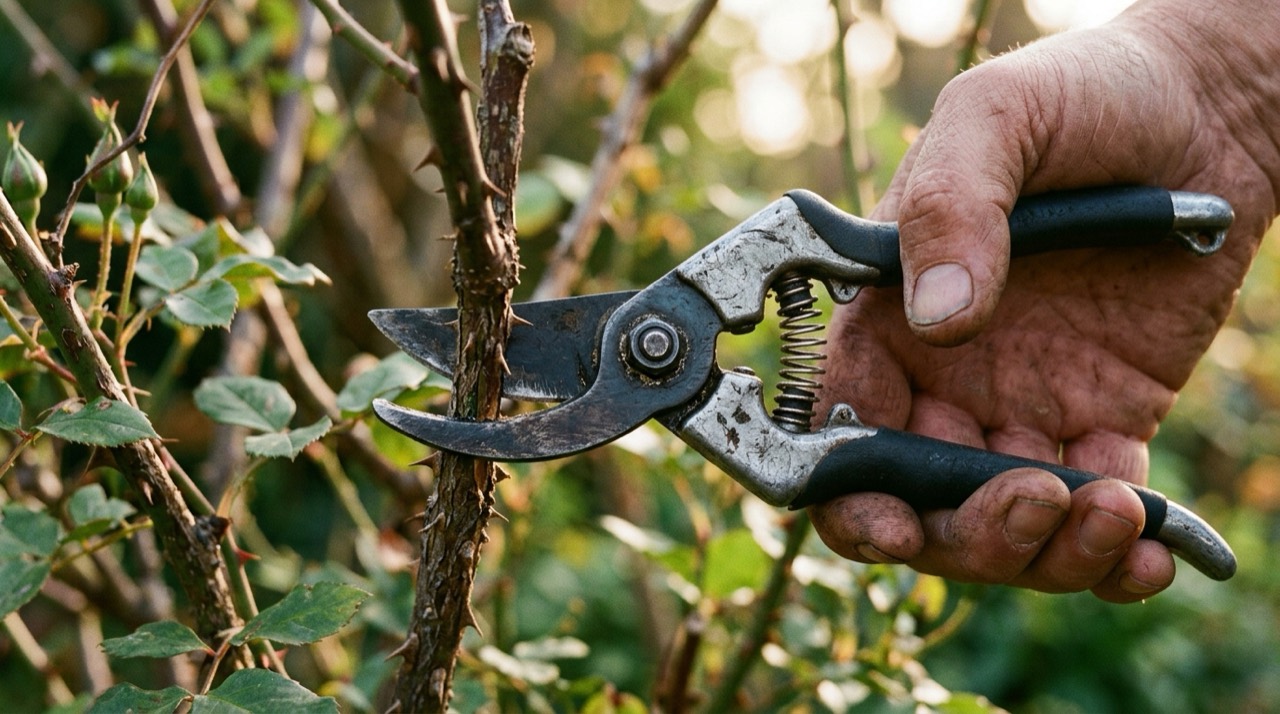
Branch diameter is the simplest way to pick a pruning tool. Hand pruners and secateurs handle stems up to about three-quarters of an inch — roses, deadheading, soft growth. Loppers add long handles and leverage for branches up to roughly two inches, and their reach keeps your hands clear of thorns. Beyond what a lopper can cleanly shear, a pruning saw or bow saw takes over, cutting limbs several inches thick without crushing them.
Height and heavy clearing round out the set. A manual pole pruner puts a bypass cutter, and often a small saw, on a long pole to reach branches 10–15 feet up from the ground. For clearing brush, vines and undergrowth, a machete is the classic long blade, while a hatchet or camp axe handles splitting kindling and light chopping. Garden and hedge shears shape hedges and trim grass edges by hand.
Cutting a branch bigger than a tool is designed for is the fastest way to ruin the tool and leave a ragged wound that heals poorly. Match the tool to the wood.
| Cut | Right tool | Rough capacity |
|---|---|---|
| Soft stems, roses, deadheading | Hand pruners / secateurs | Up to ~3/4 in |
| Branches within arm's reach | Loppers | Up to ~2 in |
| Thicker limbs, curved cuts | Pruning saw | 2–6 in |
| Logs, seasoned branches | Bow saw | 3–6 in |
| High branches from the ground | Manual pole pruner | Up to ~1.5 in |
Each guide links to a money page — for example, the best loppers shortlist — when you are ready to compare specific tools.
Blade design follows the task. Pruning tools that cut living wood you want to keep healthy — pruners, loppers, pole pruners — mostly use a bypass action, where two curved blades slice past each other like scissors for a clean cut close to the stem. Anvil-style cutters, where a blade meets a flat plate, crush more but power through dead wood. Clearing tools work differently: a machete relies on a long swing and momentum to slash soft green growth, and a hatchet or camp axe concentrates a heavier head to split and chop. Garden shears trade capacity for a long, straight edge that shapes hedges evenly. Picking the right action means less effort, cleaner cuts and healthier plants.
Hand tools feel low-risk, but swinging blades and spring-loaded cutters cause plenty of injuries. Keep your free hand behind the cut, wear cut-resistant gloves and eye protection, and never cut toward your body — especially with a machete or hatchet, where a missed swing carries real force. A sharp tool is safer than a dull one because it cuts predictably instead of slipping or forcing you to push harder. Clean sap off blades, wipe them dry to prevent rust, keep a light film of oil on the steel, and touch up edges with the right file or stone; our sharpening files and tools guide covers what to use for each blade. Store cutting tools sheathed or hung well out of reach of children.
Timing matters because pruning at the wrong moment can cost a season of flowers or stress the plant. As a general guide, most deciduous trees and shrubs are best pruned in late winter while dormant, spring-flowering shrubs right after they bloom, and dead or damaged wood removed any time.
The dormant season is the workhorse window: with leaves gone you can see the structure clearly, the plant is not actively growing, and cuts heal cleanly as growth resumes. The main exception is anything that flowers in spring — prune those straight after flowering, because their blooms form on the previous year's growth and a winter cut removes the buds.
- Late winter / dormant: most shade trees, summer-flowering shrubs, and general shaping.
- Right after flowering: spring bloomers like lilac and forsythia, so you keep next year's flowers.
- Any time: dead, diseased, damaged or dangerous branches — remove these as soon as you see them.
Avoid heavy pruning in high summer or late autumn on most plants, as it can stress growth or push tender new shoots that frost will kill. For clean cuts on living wood you want to keep healthy, reach for bypass hand pruners or loppers rather than a crushing anvil cutter.
A proper cut is made just outside the branch collar — the slightly swollen ring where the branch meets the trunk — leaving that collar intact so the tree can seal the wound. Cutting flush to the trunk removes the collar and leaves a wound that heals slowly and invites decay.
For branches thin enough for pruners or loppers, one clean cut just beyond the collar is all it takes. For anything heavy enough that its own weight could tear the bark, use the three-cut method with a pruning saw:
- Undercut first — saw a shallow cut on the underside of the branch, 20–30cm out from the trunk, about a quarter of the way through.
- Top cut to drop the limb — cut from the top a little further out; the branch falls and the undercut stops the bark tearing back into the trunk.
- Final cut at the collar — remove the remaining stub with a clean cut just outside the branch collar.
Do not paint or seal the wound; current guidance is that trees seal cuts best on their own when the collar is left intact. Keep the free hand behind the blade, and for high branches a manual pole pruner keeps both feet on the ground instead of balancing a saw up a ladder. Match the tool to the branch diameter — forcing a lopper through a limb it cannot shear cleanly leaves a ragged, slow-healing wound.
Carbon (high-carbon or tool) steel takes and holds a keener edge and is easier to resharpen, which is why most quality pruners and saws use it — but it rusts if left wet. Stainless steel resists corrosion and sap stickiness and needs less care, at the cost of a slightly softer edge.
The right choice depends on how much maintenance you will realistically do.
| Blade material | Strengths | Trade-off |
|---|---|---|
| High-carbon steel | Sharpest edge, easy to hone | Rusts unless kept dry and oiled |
| Stainless steel | Corrosion-resistant, low upkeep | Edge is a little softer, harder to hone as fine |
| Coated (e.g. non-stick) | Sheds sap, reduces friction | Coating wears with sharpening over time |
Whatever the steel, upkeep is what keeps the tool safe and effective. Clean sap off the blade after use, wipe it dry to prevent rust, keep a light film of oil on the steel, and touch up the edge with the correct file or stone — our sharpening files and tools guide covers what suits each blade. A sharp tool is the safer tool because it cuts predictably instead of slipping or forcing you to push harder, and clean cuts heal faster on the plant. Store cutting tools sheathed and out of children's reach, and a machete or hatchet especially deserves a guarded edge between jobs.