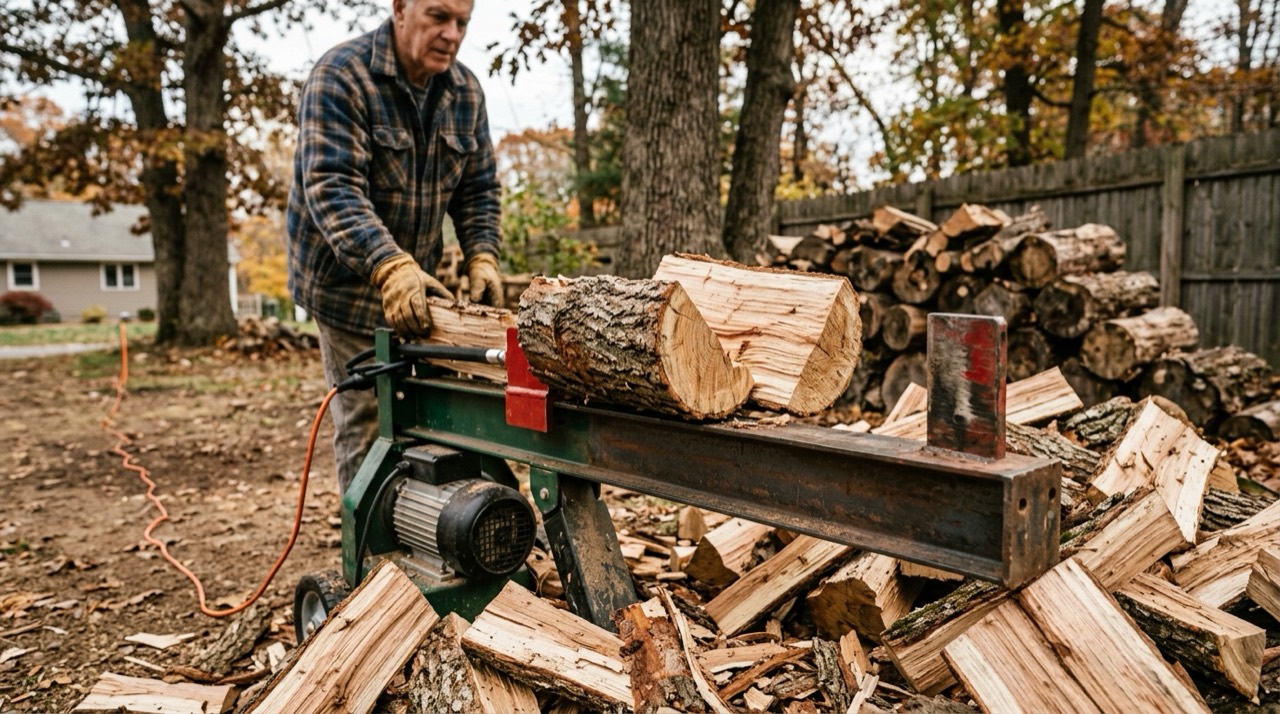
What is a gas log splitter, and who needs one?
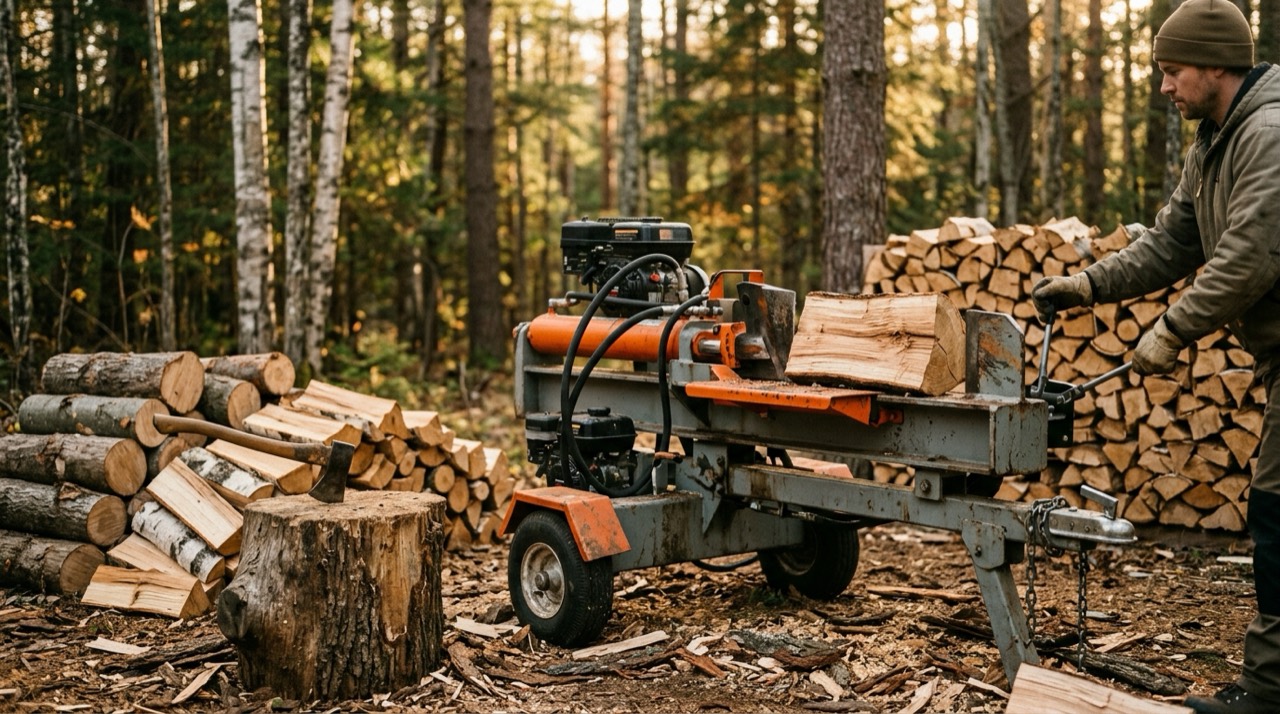
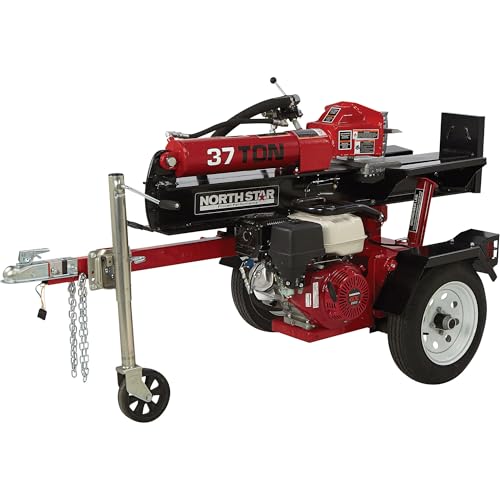
A gas log splitter is a wheeled machine that uses a petrol engine to drive a hydraulic pump, forcing a steel ram to push logs into a fixed splitting wedge. It suits anyone who burns firewood by the cord, clears storm-felled timber, or splits tough, knotty hardwood that would exhaust a person swinging a maul.The payoff over hand tools is force and endurance: a mid-size unit delivers 20 to 30 tons of splitting force without the back strain of a splitting axe or maul. If you only split a small stack of softwood each winter near the house, a quieter electric log splitter may serve you better, but for volume and hardwood, gas is the workhorse. This guide sits inside our wider wood processing hub so you can compare every splitting method in one place.
How much tonnage do you actually need?
Tonnage is the splitting force the ram can generate, and it is the first spec to match to your wood: soft, straight, seasoned logs split at 10 to 15 tons, while large, green, or knotty hardwood such as oak, elm, and gum can demand 25 tons or more. Buying more tonnage than your wood needs wastes money, while too little leaves the ram stalling in every difficult round.Wood species, diameter, and moisture all move the number. Green, freshly felled wood is far harder to split than seasoned wood, and stringy species like elm and sycamore resist far more than clean-grained pine. The rough classes below map splitting force to the wood most owners report processing.
| Splitting force | Handles | Typical wood |
|---|---|---|
| 10-15 tons | Softwood and small seasoned rounds | Pine, fir, cedar up to ~12 in |
| 20-25 tons | Most seasoned hardwood | Oak, ash, maple up to ~18 in |
| 27-37 tons | Large, green, or knotty hardwood | Elm, gum, oak rounds 20 in and up |
How does a hydraulic log splitter work?
A hydraulic log splitter converts engine power into linear force through a fluid circuit: the engine spins a two-stage pump, the pump pressurises hydraulic oil, and that oil drives a piston inside a cylinder that pushes the ram and log against the wedge. A control valve lets the operator extend and retract the ram, and a relief valve caps the pressure to protect the system.The two-stage pump is what makes these machines practical, because it moves oil quickly at low resistance and then automatically shifts to high pressure when the wedge meets the wood. That is why a modest engine can produce tens of tons of force. Understanding this circuit also explains the machine's upkeep: the hydraulic fluid and filter matter as much as fuel and oil do to the engine.
Horizontal, vertical, or both — which layout suits your logs?
Layout decides how much lifting you do. Horizontal-only splitters ask you to hoist every round onto the beam, which is fine for light logs but punishing with big rounds; vertical operation lets you roll a heavy round on the ground and split it upright without lifting. Most gas splitters above about 20 tons convert between both positions.Choose based on the heaviest wood you handle. Owners splitting manageable rounds often work happily in the horizontal position at a comfortable height, while anyone wrestling 200-pound oak or elm rounds should insist on a horizontal/vertical machine. The trade-offs are listed below.
- Horizontal only: lighter, cheaper, best for logs you can lift onto the beam.
- Vertical only: rare on consumer gas units, used for very heavy rounds.
- Horizontal/vertical convertible: the most versatile layout and the norm on 22-ton-plus splitters.
What engine and cycle time should you look for?
Engine size and cycle time together set how fast you work. Consumer gas splitters run roughly 160cc to 300cc engines from makers like Honda, Briggs & Stratton, Kohler, and Champion, and a full cycle — ram out and back — typically takes 10 to 14 seconds. A shorter cycle time means more splits per hour, which matters most when you process cords rather than an afternoon's wood.Engine displacement alone does not equal splitting force, because the pump and cylinder determine tonnage while the engine mainly sustains speed under load. A reliable, easy-starting engine with a recoil you can pull is worth more to most owners than a few extra cc. For genuinely fast work, kinetic splitters trade the hydraulic circuit for a flywheel and cut cycle times to two or three seconds, covered in our manual and kinetic splitter guide.
What hydraulic fluid and maintenance does a gas splitter need?
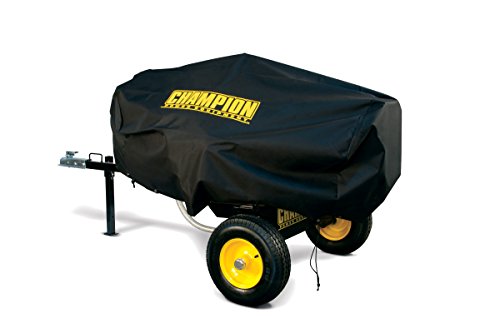
A gas log splitter needs the engine serviced like any small engine and the hydraulic system kept clean and topped up. That means fresh fuel and regular oil changes for the engine, plus checking the hydraulic fluid level, changing the hydraulic filter, and inspecting hoses and the cylinder for leaks. Most makers specify an anti-wear hydraulic oil such as AW-32 or AW-46.Neglect shows up as weak or jerky ram movement, usually from low fluid, a clogged filter, or air in the system. Keep the wedge and beam free of debris, grease the ram slide, and store the machine under cover with fuel stabiliser if it sits over summer. Handling tools and covers from our firewood tools guide help keep a tidy, safe splitting station.
How do you operate a gas log splitter safely?
Operating a gas log splitter safely comes down to one rule above all: keep both hands and everyone else clear of the wedge and moving ram. These machines generate enough force to crush a hand instantly, and the danger zone is the space between the log, the ram, and the wedge. Run the splitter as a one-person job, with any helpers standing well back.Wear snug clothing, sturdy boots, work gloves, and eye and hearing protection, because engines are loud and split wood throws chips. Set logs squarely against the foot plate, never straddle the beam, and never load or reposition a log while the ram is moving. Because it runs a petrol engine, only use a gas splitter outdoors in open air, never in a closed garage. This guide is general information, not a substitute for the operator's manual or hands-on training.
Gas, electric, or kinetic — which splitter type fits you?
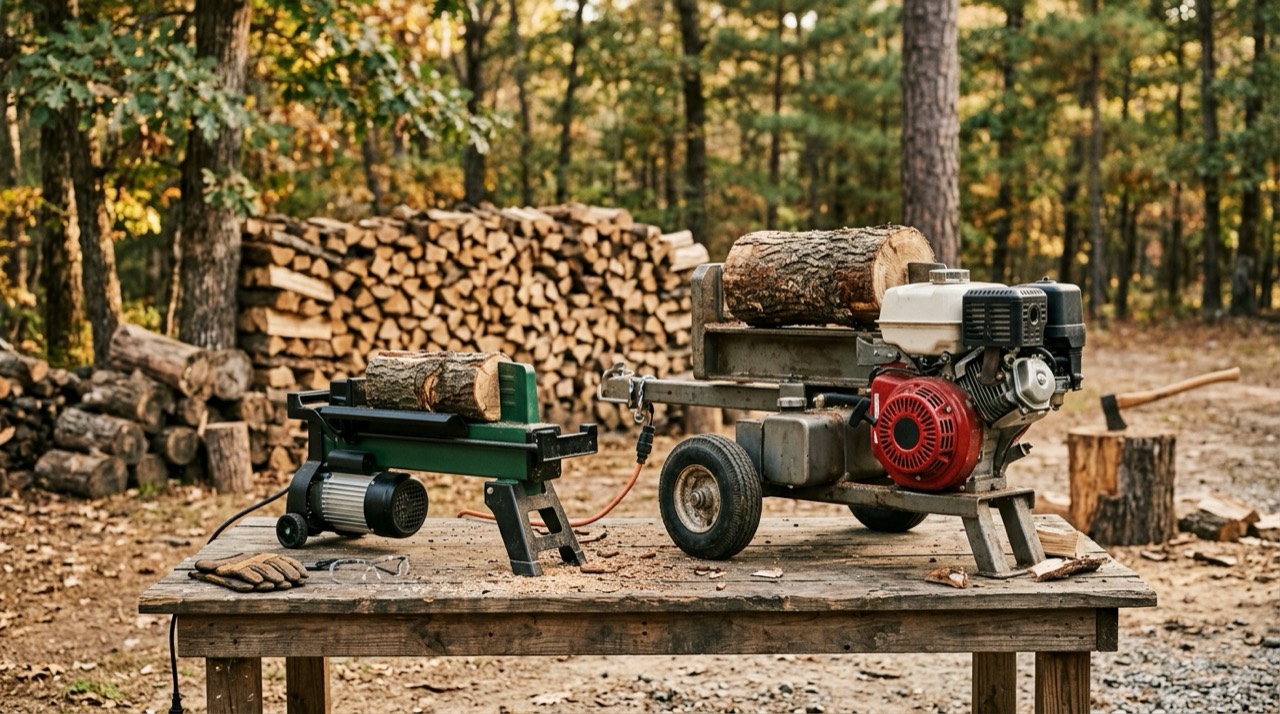
Choose gas for high tonnage, large volumes, and off-grid work; choose electric for quiet, low-maintenance splitting of smaller seasoned wood near an outlet; and choose kinetic when raw cycle speed matters more than maximum force. Most buyers are deciding between gas and electric, and the answer follows your wood and where you split it.If you split near the house and value silence and no fumes, weigh the quieter electric route and read the head-to-head on our electric versus gas splitter comparison. If you want specific gas models ranked by use case, see our best gas log splitter picks. Once wood is split, a good sawhorse or log stand makes bucking the next batch safer.
How do wood species and moisture change the force you need?
Wood species, moisture, and grain pattern change splitting force more than diameter alone: freshly felled green wood can demand close to twice the force of the same log seasoned, and interlocked-grain species resist far more than straight-grained ones. Sizing for your toughest wood, not your average round, is what keeps the ram moving.Seasoning is the biggest lever. Green wood holds around 45 to 50 percent moisture, and those water-swollen fibres cling together; drying to 20 percent or less over six to twelve months lets the grain separate far more cleanly, so a seasoned round often pops where a green one stalls. Grain direction matters just as much: straight-grained species part readily along the fibre, while twisted or interlocked grain holds a round together like rope. The species most owners find easy or hard to split are grouped below.
- Splits easily: pine, fir, cedar, ash, and straight-grained oak once seasoned.
- Splits with effort: maple, birch, and larger seasoned oak rounds.
- Resists splitting: elm, sycamore, gum, and green or knotty hardwood of any species.
If your wood is mostly green or stringy, size up your tonnage rather than fighting it, or season it first. A splitting axe or maul shows the same pattern by hand — seasoned straight-grained rounds give way, while green elm barely dents.
What size log splitter matches your yearly firewood volume?
Match tonnage to your hardest wood and cycle time to your annual volume: a household burning one to three cords a year is well served by a 22-to-27-ton machine, while anyone processing five cords or more benefits from a faster cycle and a full-beam splitter that shrugs off long sessions. Volume sets how much the machine's speed and durability matter.A cord is a stacked pile of wood four feet high, four feet deep, and eight feet long, and processing one from rounds is a few hours of steady splitting. Occasional users heating a single room can work comfortably with a compact splitter and a slower cycle, because the total session time is short. Owners heating a whole house, or cutting for family and friends, spend far longer at the beam, so cycle time, beam rigidity, and log-catching cradles start to earn their keep. Cutting rounds to a consistent length first over a sawhorse or log stand and keeping a tidy station with the right firewood tools does as much for your output as raw tonnage.
How do you split a first load of firewood step by step?
Splitting a first load safely follows a fixed order that keeps your hands away from the wedge and the engine outdoors. Set the machine up correctly before you feed a single round, and never rush the loading stroke.- Position the splitter on firm, level ground outdoors in open air, never in a garage, chock the wheels, and set the tow coupler down or engage the stand.
- Check the engine oil and hydraulic fluid level, then add fresh fuel and let the engine warm for a minute so the hydraulic oil flows freely.
- Put on work gloves and eye and hearing protection, and keep helpers and children well back from the beam.
- Set one round squarely against the foot plate with the flat, cut face toward the wedge, keeping fingers on the sides of the log rather than over the top.
- Work the control lever to drive the ram, let the wedge do the work, and release the lever the instant the round splits.
- Let the ram fully retract before you load or reposition the next round, and split large rounds in the vertical position to avoid lifting.
What commonly goes wrong with a gas log splitter?
The faults owners meet most are a no-start engine from stale fuel, a weak or jerky ram from low or dirty hydraulic fluid, and a ram that stalls in the wood because the round is beyond the machine's tonnage. Nearly all are preventable with basic upkeep and honest sizing. The frequent problems and their usual cures are listed below.- No-start after storage: almost always stale fuel or a gummed carburettor; store with fuel stabiliser or drain the tank.
- Weak or slow ram: check the hydraulic fluid level, change a clogged filter, and bleed air from the system.
- Ram stalls in a round: the wood exceeds the tonnage, so rotate the round, attack it from the edge, or step up to a bigger machine for green and knotty wood.
- Leaking oil: inspect hoses and cylinder seals, since weeping fittings lose pressure and tonnage.
For stubborn hardwood that repeatedly stalls a hydraulic ram, the faster, flywheel-driven options in our manual and kinetic splitter guide are worth weighing against sizing up.
What does a gas log splitter cost to own and run?
Beyond the purchase price, a gas log splitter costs money for petrol, engine oil, hydraulic oil and filters, and the occasional seal or pump repair, but spread across years of firewood it usually undercuts buying split wood by the cord. The machine is a capital cost; the consumables are modest.Running costs are dominated by fuel and by the engine and hydraulic servicing any petrol machine needs. A well-maintained splitter holds its value and resells readily, because the hydraulics last for years when the fluid is kept clean. Weigh that against how you would otherwise get firewood: buying split hardwood by the cord every winter adds up quickly, so a household that burns several cords a year often pays off a mid-size splitter within a few seasons. If your volume is genuinely low, renting or splitting by hand may cost less overall — the honest comparison is your annual cords against the machine's price plus upkeep, not the sticker price alone. Our best gas log splitter picks span the price bands so you can match spend to volume.