
Can you run a gas log splitter in a garage?
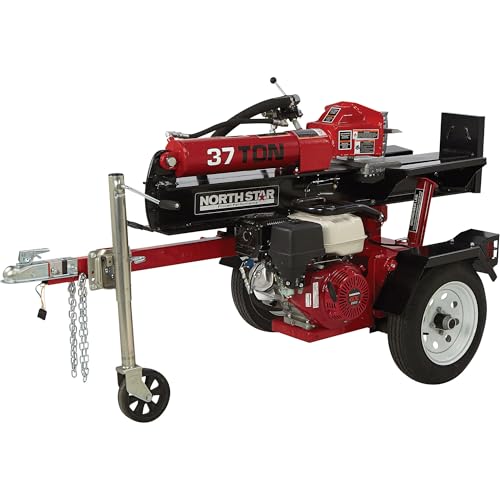
No, you should never run a gas log splitter in a closed garage or any enclosed space, because its petrol engine produces carbon monoxide, an invisible, odourless gas that can be fatal in minutes indoors. Gas splitters are designed for outdoor use in open air, and running one inside — even with the door partly open — risks a dangerous carbon monoxide build-up.Carbon monoxide poisoning is a genuine hazard with any petrol engine, and a log splitter is no exception. The gas gives no warning, and symptoms such as headache, dizziness, and nausea can come on before you realise anything is wrong. No amount of ventilation makes running a petrol engine in an attached or closed space safe, so keep the machine outdoors, well away from open windows and doors that could draw fumes back into the house.
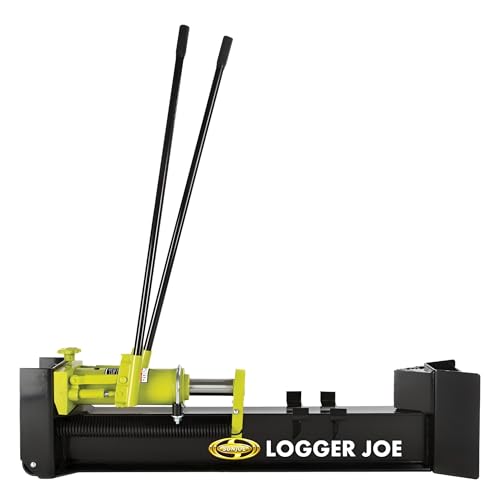
If you need to split under cover or indoors, the right tool is an electric splitter, which has no engine and produces no exhaust. Electric models run quietly and cleanly enough for garage or patio use, at the cost of lower tonnage — compare them in our electric log splitter guide and our electric versus gas comparison.
Why is carbon monoxide from a log splitter so dangerous?
Carbon monoxide is dangerous because it is invisible, odourless, and gives no warning before it harms you: a petrol engine produces it continuously, and in an enclosed space it builds to harmful levels within minutes. It displaces oxygen in the blood, so the effects can overwhelm you before you realise anything is wrong.A log splitter's engine is no different from any other petrol motor in this respect. There is no safe way to run one indoors, which is why every manufacturer restricts these machines to outdoor use in open air.
Is it safe to run a gas splitter in an open garage or carport?
No, an open garage door or a carport does not make running a gas splitter safe, because carbon monoxide can still accumulate in and around a partly enclosed space and drift back toward the house. Partial ventilation is not the same as open air, and the gas gives no warning as it builds.Treat any attached, roofed, or three-sided structure as unsafe for a running petrol engine. Move the machine well clear of the building into genuinely open air before you start it.
What are the signs of carbon monoxide poisoning?
The early signs of carbon monoxide poisoning are easy to mistake for tiredness or a passing bug, which is what makes it so hazardous. Watch for the symptoms below, and get into fresh air immediately if they appear while an engine is running nearby.- Headache, often dull and persistent.
- Dizziness or light-headedness.
- Nausea or vomiting.
- Shortness of breath and confusion.
- Drowsiness or general weakness.
If anyone shows these signs near a running engine, move them into fresh air at once and seek medical help, because severe exposure can cause collapse. This is general safety information, and any suspected poisoning should be treated as an emergency.
How far from the house should you run a gas splitter?
Run a gas splitter well away from the house in open air, clear of open windows, doors, and vents that could draw exhaust back indoors. There is no single official distance, but the principle is simple: the engine's fumes must disperse into open air, not pool against a wall or drift inside.Position the machine so any breeze carries exhaust away from you and the building, and never split beside an open door for convenience. The same open-air rule applies to any petrol equipment you run for an extended session.
How can you split wood under cover safely?
To split under cover or indoors, use an electric splitter, which has no engine and produces no exhaust, so it runs cleanly in a garage or on a patio. The trade-off is lower tonnage — typically 5 to 10 tons against a gas machine's 20-plus — which suits smaller, seasoned wood. Compare the options in our electric log splitter guide before choosing between the two power types.When you do split outdoors with a gas machine, still wear eye and hearing protection and keep both hands clear of the wedge. For safe setup and operation of a petrol splitter, see our gas and hydraulic log splitter guide. This is general safety information, not a substitute for the manufacturer's instructions.