


What is the difference between pruning snips and hand pruners?
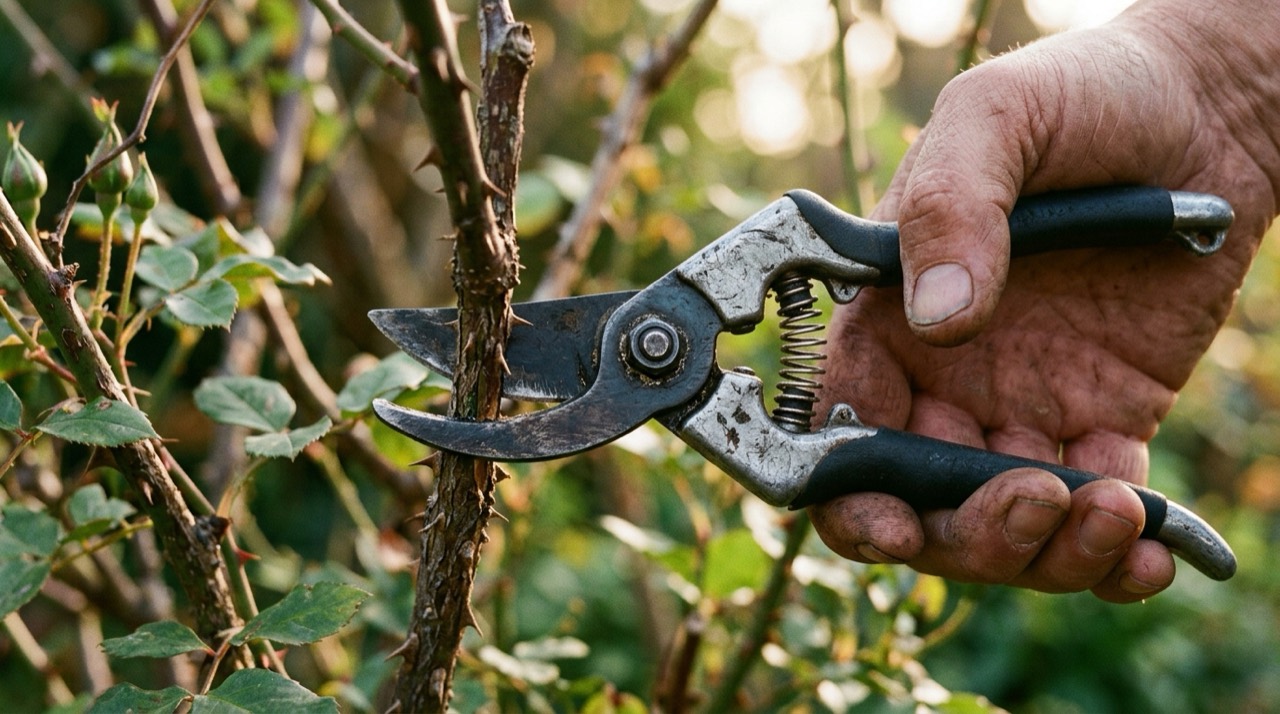
Pruning snips and scissors are lightweight, fine-tipped cutters for soft, thin material, while hand pruners are sturdier tools built for woody stems up to about ¾ inch. Snips trade cutting power for precision, letting you reach into dense growth and make delicate cuts that a bulkier secateur would fumble.
The difference is one of scale and finesse. A hand pruner or secateur has a stout blade and spring made to shear through green wood; a snip has slim, pointed blades that close to a fine tip, ideal for stems no thicker than a pencil. Many snips are spring-loaded, reopening themselves after each cut so your hand only has to close them, which makes long sessions of small cuts far less tiring. Reach for snips when the cut needs accuracy rather than force, and for pruners when the stem needs muscle.
When should you reach for snips instead of secateurs?
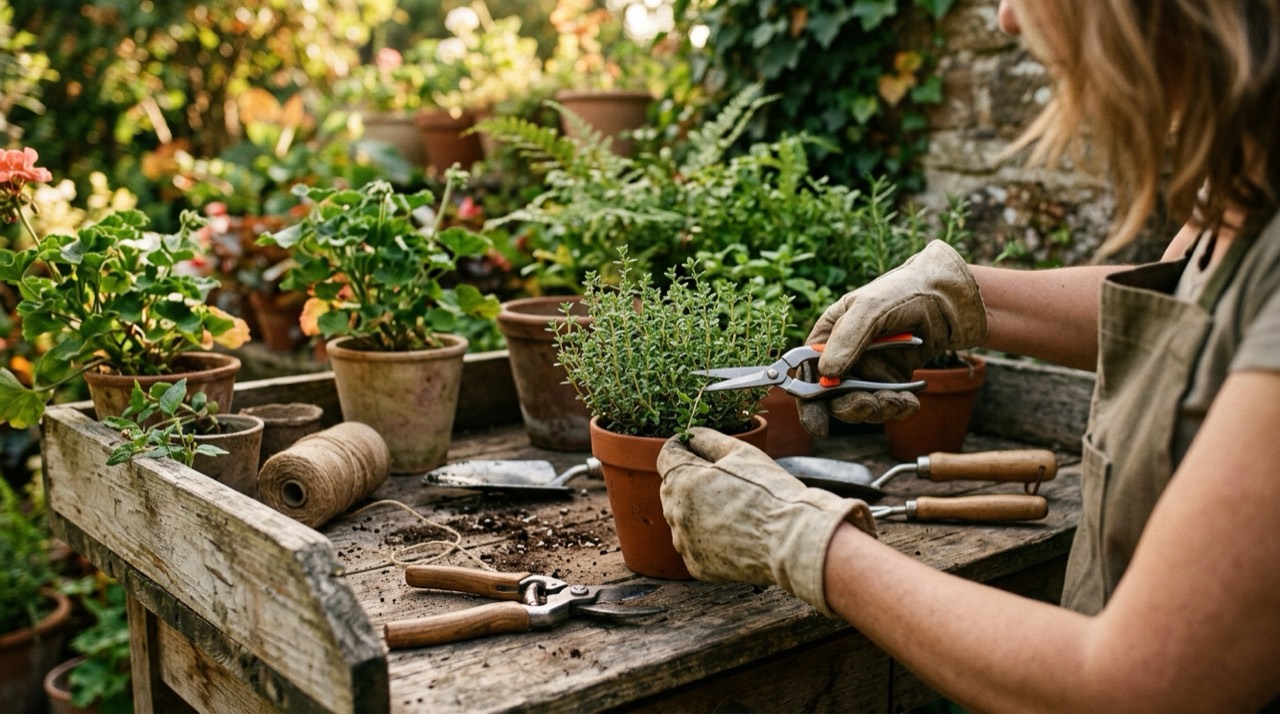
Reach for snips whenever precision beats power: deadheading spent flowers, harvesting herbs, fruit, and vegetables, thinning seedlings, and trimming soft new growth in crowded beds. Their narrow tips slip between stems to snip one target without bruising its neighbours, which a broad secateur head cannot always manage.
Snips also shine on soft, non-woody material where a heavy pruner is overkill. Cut flowers for the vase, tomato trusses, grape bunches, and bonsai shoots all call for a clean, close snip rather than the crush of a full-size tool. In the kitchen garden, a pair of harvest snips lets you pick beans, chillies, and grapes without tearing the plant, and in floral work they cut soft stems at the exact length and angle you want. The trade-off is capacity: push a fine snip through a woody stem and you will spring the blades or dull the tip, so hand the woody cuts back to a secateur.
A second reason to keep snips alongside secateurs is fatigue. When a job is a hundred small cuts rather than a dozen firm ones, the light action and self-opening spring of a snip save your hand, while a heavy pruner would leave it aching. Match the tool to the volume and softness of the work, not just to the single cut in front of you.
Which snips and scissors suit which task?
Different fine-tip cutters suit different jobs, and the common types are set out below.
| Cutter type | Blade style | Best for |
|---|---|---|
| Micro-tip snips (e.g. Fiskars Micro-Tip) | Short, pointed spring-loaded blades | Deadheading, precise trimming in tight beds |
| Harvest and floral snips (e.g. ARS 300L, Chikamasa) | Slim, very sharp Japanese blades | Cutting flowers, fruit, and vegetables |
| Thread and craft snips | Fine, short scissor blades | Trimming ties, netting, and soft stems |
| Needle-nose pruners | Long, narrow bypass jaws | Reaching deep into shrubs and topiary |
Match the cutter to the material and the reach. Spring-loaded micro-tip snips reopen themselves for fast, repetitive deadheading; long needle-nose pruners get your hand out of a thorny shrub while the blade works deep inside; Japanese harvest snips give the cleanest cut on stems for the vase or kitchen.
How do you use pruning snips for deadheading and harvesting?
Use pruning snips by making a single, close cut at the base of a spent flower or the stalk of the crop you are picking, letting the fine tips reach the exact point without disturbing the growth around it. Their light action and self-opening spring are built for many small, precise cuts in a row.
The steps for clean deadheading and harvesting are listed below.
- Open the snips and check the tips are clean, since sticky sap blunts the fine points fastest.
- Slide the narrow blades to the base of the spent bloom or the stalk you want, clear of neighbouring stems.
- Support the stem lightly with your free hand so it does not tear as the blade closes.
- Close the snips in one gentle squeeze; the spring reopens them for the next cut.
- Drop harvested crops or deadheads into a trug as you go, and wipe the tips if sap builds up.
Because the cut is small and precise, snips let you pick a single ripe chilli or remove one faded rose without nicking the buds beside it — work a broad secateur head cannot do cleanly. For stems that have turned woody, hand the cut back to a hand pruner or secateur.
What common mistakes damage pruning snips?
The most common mistakes that damage snips are forcing them through woody stems, levering them sideways, and putting them away dirty. Their thin blades and fine tips are precise but delicate, so habits a sturdy secateur shrugs off will bend or dull a pair of snips.
- Cutting wood too thick: pushing a fine snip through a woody stem springs the blades or snaps the tip. Keep snips to soft, thin material only.
- Twisting to finish a cut: levering the tool sideways bends the slim blades out of alignment; reposition instead.
- Leaving sap on the tips: dried sap gums the fine points and dulls them faster than on a heavy blade, so wipe after every use.
- Storing them open or unlocked: an open snip in a pocket or a drawer bends its exposed tips; store closed with the catch on.
- Using garden snips as wire cutters: metal ties and netting chip the delicate edge — use a dedicated cutter for anything but plant material.
Avoiding these keeps the tips true and the edge keen, which is the whole point of choosing snips over a secateur in the first place.
Do you need snips as well as secateurs?
You need snips as well as secateurs if you do much deadheading, harvesting, or fine work in crowded beds, because the two tools solve different problems: a secateur supplies cutting power for woody stems, and snips supply precision and reach for soft ones. Many gardeners carry both and switch as the task changes.
The case for owning both comes down to volume and softness. A job that is a hundred small cuts on soft stems — deadheading a border, picking a row of beans, thinning seedlings — tires the hand on a heavy pruner but is effortless with light, spring-loaded snips. A job that is a dozen firm cuts on woody growth is exactly what a bypass secateur is built for and would bend a snip. If your gardening is mostly woody pruning, one good bypass pruner from our best hand pruners roundup may be all you need; if you grow flowers or vegetables to cut and pick, a pair of snips quickly earns its place alongside it.
Which snips suit cut flowers and the kitchen garden?
For cut flowers and vegetable harvesting, choose slim, very sharp Japanese-style snips such as the ARS 300L or a Chikamasa, which sever soft stems cleanly at the exact length and angle you want without crushing them. A clean cut helps cut flowers take up water and keeps harvested crops from bruising at the stalk.
Different fine cutters suit different corners of this work. Long, thin floral snips reach into a bunched arrangement to trim one stem to length; short harvest snips give the control to pick a ripe tomato truss or a grape bunch without tearing the plant; needle-nose bypass snips get your hand out of a thorny rose while the blade works deep inside. In the kitchen garden a keen snip lets you pick beans, chillies, and herbs without pulling on the plant, which protects next week's crop. Keep a separate pair for flowers and for food if you like, and wipe the blades between plants so sap and residue do not transfer. When a stem has hardened into wood, move up to a hand pruner rather than straining the fine tips.
How do you keep fine-tip snips sharp and clean?
Keep snips sharp with light, frequent honing and clean them after every use, because their thin blades dull and gum up faster than a heavy secateur. Wipe the blades free of sap, dry them to prevent rust, and touch up the edge with a fine stone or the honing side of a sharpening file.
Fine tips are easily bent, so store snips closed with the safety catch on and never lever them sideways through a stem too thick for the blades. A dab of oil on the pivot keeps the action smooth, and cutting only soft, thin material keeps the points true. Because the blades are thin, they respond well to light, frequent honing rather than the heavier filing a secateur can take, so a few strokes of a fine stone are usually all they need.
When you need more capacity than a snip can give, step up to a bypass secateur from our best hand pruners roundup, then to loppers for anything approaching an inch thick. A pair of work gloves protects your hands when you are reaching into thorny or dense growth, and keeps the fine points clear of your fingers as you work.