


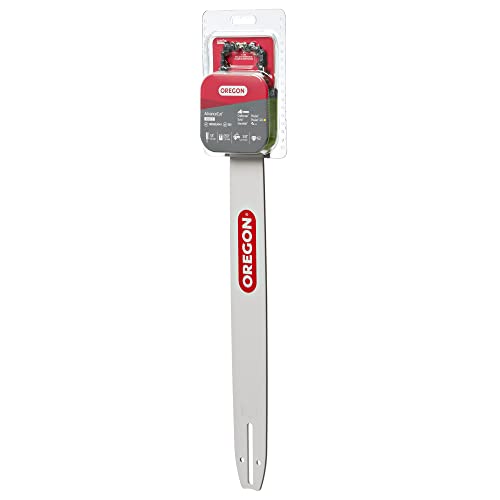

Check the Simple Causes First
Most no-oil problems come from something simple, so work through the easy checks before blaming the pump. Run down this list in order.- Confirm the bar oil tank is not empty or nearly empty.
- Clean the oil hole and groove on the bar, where sawdust packs solid.
- Clear the oil tank vent, which can block and stop oil drawing down.
- In cold weather, switch to a thinner winter-grade oil the pump can move.
Test the Oiler With the Paper Test
Once you have cleared the basics, confirm the fix with the paper test. Start the saw, hold the bar tip a hand-span above a clean board, and rev it clear of wood. A working oiler flicks a thin line of oil onto the surface within a second or two. No line means oil still is not reaching the chain.Watch for the Warning Signs
A bar that is not getting oil warns you before it fails: the bar smokes, a burning smell rises from the cut, the chain keeps stretching and needs constant tensioning, and the rails start to discolour blue. Stop cutting the moment you notice these, because a dry bar can be ruined in a minute.When to See a Professional
If the tank is full, the vent and groove are clear, the oil is the right grade, and the paper test still shows nothing, the oil pump or its drive may have failed. That is a job for a service technician. Do not keep cutting a dry bar in the meantime — you will destroy the bar and chain, and possibly the nose sprocket, before the pump is fixed.How Do You Clean a Blocked Oil Hole and Groove?
Clean the oil hole and groove with the saw off, working sawdust out of the channel oil travels through. A packed groove and a clogged tail oil hole are the two most common reasons oil stops reaching the chain, and both clear in a couple of minutes.- Switch the saw off and remove the battery or spark-plug boot.
- Lift off the bar and scrape the groove out end to end with a groove tool, a stiff card, or flattened wire.
- Poke the oil hole in the bar tail clear, then clear the matching oil port on the powerhead.
- Refit the bar, top up with fresh oil, and run the paper test to confirm flow.
Doing this at every refuel stops the blockage ever building. A sharpening file and groove tool kept with the saw turns it into a ten-second job.
Could the Oil Be Too Thick to Flow?
Yes — in cold weather, summer-weight bar oil can thicken past what the pump can move, so a full tank still feeds nothing. The fix is to switch to a thinner winter-grade oil that stays pumpable when it is near or below freezing.If the saw has sat in a cold shed overnight, let it warm up before blaming the pump, and consider draining thick oil for a winter grade. Storing the saw with fresh, appropriate oil rather than old gummy oil also keeps the pump moving freely. The bar and chain oil guide lists winter and summer grades and which to run when.
How Do You Prevent Oiler Blockages?
Prevent blockages by cleaning the groove and oil hole every time you refuel and by using fresh, appropriate oil. Nearly every dry-bar problem starts as packed sawdust or gummy old oil, both of which regular cleaning stops before they choke the flow.- Clear the groove and oil hole at every refuel.
- Use fresh oil and the right seasonal grade.
- Keep the tank vent clear so oil can draw down.
- Run the saw down rather than storing it full of oil that can gum.
Build these into your routine and the oiler rarely fails. Pair them with the pre-cut checks in the chainsaw maintenance guide so a dry bar is caught before it does any damage.
Worked Example: Tracing a Dry Bar on a Cold Morning
Say the saw oiled fine last week but shows nothing on the paper test this frosty morning, tank full. Work it in order: the oil is last summer's heavy grade, the shed was below freezing overnight, and the tank vent is clear — so the likely cause is oil too thick to pump.Warming the saw and draining in a winter-grade oil restores flow, and a quick groove clean confirms nothing else is blocked. Had the paper test still shown nothing after the oil swap and a full clean, the pump or its drive would be the suspect, and that is a service-tech job rather than more cutting.


