
Best Chainsaw Maintenance
Best Chainsaw Maintenance, ranked from aggregated owner ratings and reviews, not first-hand testing. Real pros, cons, and who each pick is best for.

Our Top 3 Picks
Quick Comparison
| Product | Best for | Buy | |
|---|---|---|---|
| Stihl 2-in-1 Easy File | Best Overall | See Amazon | View (paid link) |
| Husqvarna Bar & Chain Oil | Best Value | See Amazon | View (paid link) |
| TruFuel 50:1 Pre-Mixed Fuel | Editor's Pick | See Amazon | View (paid link) |
| Oregon Chainsaw Field Sharpening Kit | Best for Beginners | See Amazon | View (paid link) |
| Oregon 520-120 Bench Grinder | Best Premium | See Amazon | View (paid link) |
| Stihl HP Ultra 2-Stroke Oil | Best Heavy-Duty | See Amazon | View (paid link) |
How to choose the right chainsaw maintenance supplies
The right chainsaw maintenance kit is a short list: a sharpening tool that matches your chain, a purpose-made bar and chain oil, a quality two-stroke oil or pre-mixed fuel for gas saws, and a fuel stabiliser for storage. Buy those first and you cover the jobs that keep a saw cutting.The picks above span the whole routine, from a pocket file to a bench grinder. The sections below explain how to match each item to your saw and how often you will actually reach for it, so the ranking makes sense for the way you cut. Recommendations here are based on manufacturer specs and aggregated owner feedback, not first-hand lab testing.
Which chainsaw sharpening tool should you buy?
Choose a sharpening tool by how much you cut and how confident you are with a file. Occasional users do well with an all-in-one guide like the Stihl 2-in-1 Easy File, which sets the round-file and depth-gauge angles for you, while regular cutters who want speed step up to a powered bench grinder.Match the round file diameter to your chain pitch, because the wrong file size ruins the cutter shape. The comparison table below lines up the sharpening and fuel picks by what each one does and who it suits.
| Product | Type | Best for |
|---|---|---|
| Stihl 2-in-1 Easy File | Hand file guide | Quick, foolproof touch-ups |
| Oregon Chainsaw Field Sharpening Kit | File kit | Learning to file by hand |
| Oregon 520-120 Bench Grinder | Powered grinder | Fast, repeatable sharpening |
| Husqvarna Bar & Chain Oil | Bar lubricant | Everyday chain lubrication |
| TruFuel 50:1 Pre-Mixed Fuel | Canned fuel | Saws that sit between jobs |
| Stihl HP Ultra 2-Stroke Oil | Engine oil | Mixing your own fuel |
Full filing technique is covered in our chainsaw sharpening guide.
Hand file, file kit, or bench grinder: which sharpening method suits you?
Choose your sharpening method by how many chains you sharpen and how much time you want to spend. A hand-file guide suits anyone touching up a chain or two between cuts, a loose file kit suits someone learning proper technique, and a bench grinder earns its place only at high volume.The three approaches trade speed against cost and portability:
- An all-in-one file guide, such as the Stihl (paid link) 2-in-1 Easy File, is the fastest to learn, sets the angles for you, and is ideal for field touch-ups, but each guide fits only one chain pitch.
- A loose file kit, such as the Oregon (paid link) field sharpening kit, teaches real filing skill and covers several pitches, but is slower and needs a steady hand.
- A bench grinder, such as the Oregon (paid link) 520-120, is fastest for many chains and best for restoring badly dulled or rocked chains, but it is costly, bulky, and aggressive enough to shorten chain life if overused.
Most homeowners never outgrow a good hand guide. If you burn through several chains a week, or regularly rescue chains that have hit dirt, a grinder pays for itself. Full technique lives in our chainsaw sharpening guide.
What bar and chain oil is best?
The best bar and chain oil is a purpose-made lubricant with enough tack to cling to a fast-moving chain, which ordinary motor oil lacks. Husqvarna, Oregon, Stihl, and Echo all sell suitable oils, and any quality bar oil that matches the season will do the job.Choose a thinner winter-grade oil in the cold so it still flows through the oiler, and a standard grade in summer. Plan on roughly one reservoir of bar oil per tank of fuel. Our bar oil, chain oil and fuel guide compares the options in detail.
What fuel and two-stroke oil keeps a gas saw healthy?
Fresh, correctly mixed fuel keeps a gas saw healthy, and it is the cheapest insurance you can buy. For occasional saws, canned pre-mixed fuel such as TruFuel is ethanol-free and stays stable for years, sparing you the carburettor problems that stale pump-gas mix causes.If you cut often, mixing your own with a quality two-stroke oil at the ratio printed on your saw, usually 50:1, is cheaper per litre. Add a stabiliser to any mix that will sit for weeks. Never run straight petrol in a two-stroke engine, because it will run lean and seize.
Do you need a chainsaw maintenance kit?
A bundled maintenance kit is worth it if you want the right files, depth gauge, and guide in one purchase rather than sourcing each separately. Kits like the Oregon field sharpening kit match common chain pitches and travel well in a toolbox or truck.Confirm the kit suits your chain pitch and bar before buying, since a mismatched file will not sharpen correctly. Owners who already own loose files rarely need a kit, while first-time sharpeners find one removes the guesswork.
Which supplies suit an occasional user versus a heavy cutter?
Match your maintenance kit to how hard you use the saw, because an occasional user who cuts a few times a year needs a different, smaller kit than someone bucking firewood most weekends. The core jobs are the same; the scale is not.An occasional or seasonal user is best served by a foolproof file guide, a bottle of bar oil, and ethanol-free pre-mixed fuel so nothing goes stale between jobs; the pre-mix alone prevents most no-start headaches. A regular homeowner cutting through the season benefits from a file kit or bench grinder, their own two-stroke oil for cheaper per-litre mixing, a stabiliser, and spare plugs and filters. A heavy or semi-pro cutter wants a bench grinder, several spare chains, spare bars, and consumables bought in bulk.
Whichever profile fits, the two non-negotiables are the same: keep the chain sharp and the fuel fresh. Everything else is a matter of scale. The complete service routine that these supplies support is in our chainsaw maintenance guide.
What chainsaw maintenance supplies wear out and need replacing?
Several maintenance items are consumables that wear out with use, so plan to replace them rather than buy once. Knowing which parts are wear items helps you keep spares on hand and avoid a stalled job.- Files dull with use and cut slowly once worn smooth; treat them as consumable and replace them once they stop biting.
- Air filters eventually clog beyond cleaning or tear at the seams, and a damaged filter lets grit into the engine.
- Spark plugs foul or wear at the electrode over a season or two and are cheap to replace.
- Chains stretch and the cutters shorten with every sharpening until they reach the wear mark and must be retired.
- Bars wear in the groove and rails, and a bench-grinder wheel wears down with each chain it touches.
Keeping a spare plug, a spare filter, and a fresh file in the kit means a worn part never ends a day's cutting. Our chainsaw chains guide explains when a chain has reached the end of its life rather than just needing a sharpen.
How much should you budget for chainsaw maintenance supplies?
Budget for chainsaw maintenance in two buckets: a small one-off outlay for tools, and a modest ongoing spend on consumables. The tools, a file guide or kit, a scrench, and brushes, are a one-time purchase that lasts years, while oil, fuel, plugs, and filters are recurring.For an occasional homeowner, the ongoing cost is dominated by bar oil and fuel, both of which are inexpensive. A heavy firewood cutter spends more on replacement chains, files, and the occasional bar and sprocket. Against those figures, the cost of neglect is stark: a single carburettor rebuild from stale fuel, or a bar and chain ruined by running dry, can cost more than a year of proper consumables.
The cheapest maintenance strategy is therefore prevention. Fresh fuel, a stabiliser for anything that sits, tacky bar oil topped up every refuel, and a sharp chain cost little and head off the expensive failures. You can compare oils, fuels, and stabilisers in our bar oil, chain oil and fuel guide.
What safety gear should you keep with your maintenance kit?
Keep cut-resistant gloves and eye protection with your maintenance supplies, because sharpening and handling a chain means touching very sharp cutters. A well-sharpened chain is safer to cut with but more likely to nick a bare hand on the bench.Always disconnect the spark plug or remove the battery before working on the chain or bar, so the saw cannot start. Full cutting PPE lives in our chainsaw chaps and PPE guide, and the complete service routine is in our chainsaw maintenance guide.
Full Ranking, Reviewed

Best for Owners who want fast, foolproof chain touch-ups
- Combines a round file and flat depth-gauge file in one guide
- Sharpens the cutter and lowers the depth gauge in a single stroke
- Sized to a specific chain pitch, so buy the version that fits your chain
- Compact enough to keep in the truck or toolbox
- Sets the correct angles for you with no guesswork
- Fast enough to touch up between tanks of fuel
- Ideal for owners new to hand filing
- Each file fits only one chain pitch
- Files wear down and need replacing over time
Verdict: The simplest way to keep a chain sharp, which is why it is the single most useful thing most owners can add to their kit.

Best for Everyday chain and bar lubrication
- Tacky formula that clings to a fast-moving chain
- Reduces friction and wear between the chain and bar
- Works in most gas, battery, and corded saws
- Sold in standard and winter-grade viscosities
- Cheap insurance against bar and chain wear
- Widely available in convenient bottle sizes
- Clings better than ordinary motor oil
- Standard grade thickens in very cold weather
- Not a substitute for engine two-stroke oil
Verdict: A reliable, affordable bar oil for routine use, and skipping proper bar oil is the fastest way to ruin a bar and chain.

Best for Gas saws that sit unused between jobs
- Ready-to-use ethanol-free 50:1 two-stroke fuel
- Removes the need to mix petrol and oil yourself
- Long shelf life both sealed and opened
- Formulated to resist the gumming stale pump fuel causes
- Eliminates stale-fuel carburettor problems
- Convenient for occasional and seasonal users
- Delivers a consistent, correct oil ratio every time
- More expensive per litre than mixing your own
- 50:1 blend does not suit older 40:1 or 32:1 saws
Verdict: Costly by the litre but far cheaper than a carburettor rebuild, making it a smart choice for a saw used only now and then.
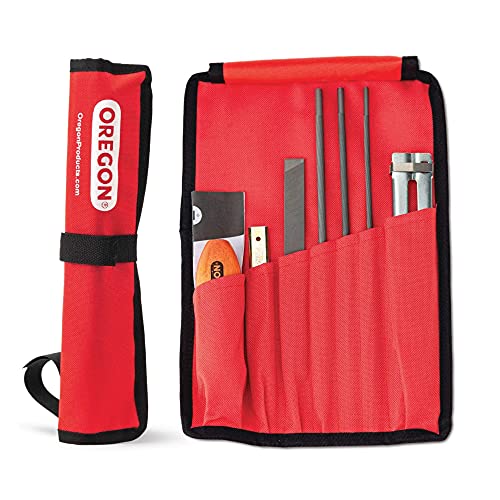
Best for First-time sharpeners learning to file by hand
- Includes round files, a flat file, depth-gauge tool, and guide
- Filing guide holds the correct angle for you
- Sized to common chain pitches, so match it to your chain
- Packs into a pouch for the toolbox or truck
- Everything needed to hand-file in one purchase
- Guide removes much of the guesswork
- Portable for sharpening out in the field
- Must be matched to your chain pitch to work
- Hand filing is slower than a powered grinder
Verdict: A tidy all-in-one starter kit for learning to file, provided you buy the version that matches your chain.

Best for High-volume cutters who want fast, repeatable sharpening
- Bench-mounted powered grinder for chainsaw chains
- Sets consistent cutter angles across the whole chain
- Handles many chains far quicker than hand filing
- Suits workshops and heavy firewood users
- Fast and highly repeatable results
- Restores badly dulled or rocked-out chains
- Pays off if you sharpen many chains
- Overkill and pricey for occasional users
- Aggressive grinding shortens chain life if overdone
Verdict: A workshop-grade sharpener for people who cut a lot, delivering a consistency that hand filing struggles to match.

Best for Frequent gas-saw users who mix their own fuel
- Fully synthetic two-stroke engine oil
- Mixes with petrol at the 50:1 ratio most modern saws use
- Formulated for clean running and low deposits
- Often sold in single-dose bottles for one gallon of fuel
- Cheaper per litre than pre-mixed canned fuel
- Clean-burning synthetic that protects the engine
- Pre-measured bottles simplify mixing
- You must mix and store the fuel carefully
- Mixed fuel still goes stale within weeks
Verdict: A quality two-stroke oil for owners who mix their own fuel, best paired with fresh petrol and a stabiliser.
Frequently Asked Questions
What maintenance products does every chainsaw owner need?
Every chainsaw owner needs three basics: a sharpening tool matched to their chain, a purpose-made bar and chain oil, and, for gas saws, fresh correctly mixed fuel or pre-mixed canned fuel. A fuel stabiliser and a spare spark plug and air filter round out a complete kit.
How often should you sharpen a chainsaw chain?
Touch up a chainsaw chain every one to two tanks of fuel, or sooner if it starts throwing fine dust instead of chips or pulling to one side. A chain that hits dirt, nails, or the ground dulls immediately and needs sharpening before you cut again.
Can I use car engine oil instead of bar and chain oil?
Car engine oil works in an emergency but is not recommended, because it is thinner and flings off the fast-moving chain instead of clinging to it. That leaves the bar under-lubricated and makes more mess. Purpose-made bar and chain oil is tacky by design and cheap, so use it for regular cutting.
Is pre-mixed chainsaw fuel worth the extra cost?
Pre-mixed ethanol-free fuel is worth it for saws used occasionally, because it removes the stale-fuel carburettor problems that cause most no-start complaints. If you cut often and use fuel quickly, mixing your own with quality two-stroke oil is cheaper per litre and works just as well.