



What is the best cordless lawn mower?
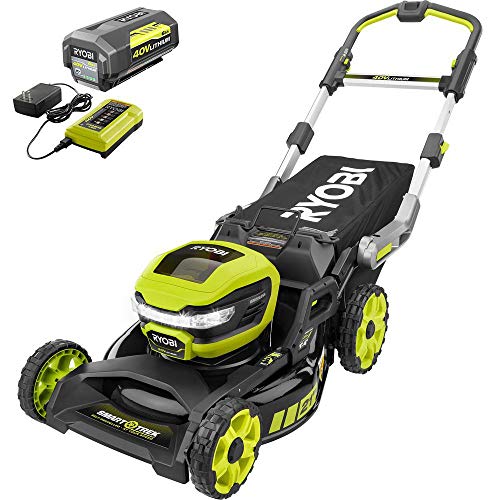
The best cordless lawn mower is the one that matches your lawn size and runtime needs, not the model with the highest voltage on the box. For most suburban lawns up to about half an acre, a 20 to 21 inch self-propelled mower on a 40V to 60V platform hits the sweet spot of power, runtime, and price.In that class, the mowers owners and reviewers return to most are the EGO Power+ Select Cut LM2135SP, praised for strong 56V runtime and a multi-blade deck, and the Ryobi 40V HP, which delivers self-propelled cutting at a friendlier price. For larger lawns, the Toro 60V Recycler adds a wider 22-inch deck and clever upright storage.
Your needs may point elsewhere. A small, flat courtyard is better served by a lighter 16-inch push mower such as the Greenworks 40V, which is cheaper and easier to store. Owners already invested in a tool platform, like Makita 18V LXT, should weigh a bare-tool mower in that system to reuse their batteries.
Because the battery is the expensive part, picking a brand whose packs also run your string trimmer and leaf blower stretches your money furthest. Our best battery lawn mower picks rank these models by use case, and the full battery lawn mower guide explains deck size and runtime in more depth. ### How should you decide which cordless mower is best for you?
Decide by putting your own lawn first: measure its rough size, note whether it is flat or sloped, and count how obstacles like beds and paths break it up. Those three facts point to a deck size, a drive type, and a runtime, and the best mower is simply the one that fits them.
Work through it in order. Lawn size sets deck width and how much battery you need, so a small courtyard wants a compact 16-inch push mower while a half-acre wants a wide 22-inch deck. Slope and length decide drive: a flat, short lawn is fine with a push mower, but hills, long runs, or a heavy deck make self-propel worth the extra cost. Runtime then follows from watt-hours, so if a single pack will not finish the lawn, plan for a two-battery kit rather than a bigger voltage number. Only once those are settled does brand really come into play, and there the deciding factor is usually which platform's batteries you already own or want to grow into.
What mower would suit a typical quarter-acre lawn?
For a flat quarter-acre suburban lawn with a few garden beds, a 21-inch self-propelled mower on a 40V to 60V platform is the natural fit, and either the EGO LM2135SP or the Ryobi 40V HP covers it comfortably on one or two packs. The self-propel takes the effort out of the longer runs, the 21-inch deck finishes the lawn without excess passes, and a second battery removes any runtime worry. If that same lawn were half the size and flat, the money saved by choosing a push mower like the Greenworks 48V would be the smarter call. The point is that the best mower changes with the lawn, which is why the ranking is organised by use case rather than crowning a single winner.Does a higher voltage make a cordless mower better?
A higher voltage does not by itself make a cordless mower better, because voltage sets power while runtime is set by the battery's watt-hours. A 40V mower carrying a large pack can out-mow a 60V or 80V model shipped with a small one, so the badge on the front is a poor way to rank mowers.What actually separates the good from the mediocre is a brushless motor, a rigid deck, genuine 3-in-1 cutting, and a battery sized for your lawn. That is why the models above are ranked by how well they suit a given lawn rather than by voltage, and why two of the picks reach their voltage by pairing smaller packs from a wider tool range. When you compare any two mowers, convert their included packs to watt-hours and weigh the build quality, then let voltage be the last number you look at.
Recommendations here are based on manufacturer specs and aggregated owner feedback, not first-hand lab testing.

