Best Zero Turn Mower
Best Zero Turn Mower, ranked from aggregated owner ratings and reviews, not first-hand testing. Real pros, cons, and who each pick is best for.

Our Top 3 Picks
Quick Comparison
| Product | Best for | Buy | |
|---|---|---|---|
| Toro TimeCutter 50 in. | Best Overall | See Amazon | View (paid link) |
| Ariens IKON XD 52 in. | Best Value | See Amazon | View (paid link) |
| Gravely ZT XL 52 in. | Best Premium | See Amazon | View (paid link) |
| Cub Cadet Ultima ZT1 42 in. | Best for Beginners | See Amazon | View (paid link) |
| Husqvarna MZ61 in. | Best Heavy-Duty | See Amazon | View (paid link) |
| EGO Power+ Z6 (ZT5207L) | Editor's Pick | See Amazon | View (paid link) |
How to choose the best zero-turn mower
Pick a zero-turn mower by matching deck width to your acreage, engine to your run time, and build quality to your hours behind the bars. Everything else, from seat comfort to speed, refines a choice you have already narrowed down by yard size and terrain.How much deck do you actually need?
Size the deck to your open lawn, not your ambition. A 42-inch deck suits tight suburban lots up to about an acre, 46 to 50 inches fits most large yards with beds and trees, 52 to 54 inches handles two to four acres, and 60 to 61 inches is for wide open ground. A wider deck finishes sooner but needs wider gates and more turning room, and it can scalp uneven lawns.The comparison table lines up our picks by deck width, power source, typical top speed, and the buyer each one suits.
| Model | Deck | Power | Typical top speed | Best for |
|---|---|---|---|---|
| Toro TimeCutter 50 | 50 in. | Gas V-twin | ~7 mph | All-round residential |
| Ariens IKON XD 52 | 52 in. | Gas (Kawasaki/Kohler) | ~7 mph | Value on 2-4 acres |
| Gravely ZT XL 52 | 52 in. | Gas Kawasaki | ~7 mph | Prosumer durability |
| Cub Cadet Ultima ZT1 42 | 42 in. | Gas Kohler | ~7.5 mph | Tighter lots, first-timers |
| Husqvarna MZ61 | 61 in. | Gas Kawasaki | ~8.5 mph | Big acreage, heavy hours |
| EGO Power+ Z6 | 52 in. | 56V battery | ~8 mph | Quiet, low-maintenance |
Gas or battery power?
Choose gas for the longest run time and fast refuelling, and battery for quiet, near-zero maintenance on up to a couple of acres. Gas engines from Kohler, Kawasaki, and Briggs and Stratton refuel in seconds and suit big blocks, while the EGO Power+ Z6 and Ryobi electric zero-turns skip oil, plugs, and pull-starts and start instantly. Weigh the two in the battery lawn mower guide if run time is close.Which build details matter?
Look past the horsepower number to the parts that wear. A fabricated (welded steel) deck resists dents and lasts longer than a stamped one; commercial transaxles such as Hydro-Gear ZT-3100 or ZT-3400 outlast entry-level EZT units under heavy hours; and a suspension seat or platform, like Toro's MyRIDE, saves your back over rough ground. Match those to how many hours you will actually run, then confirm the machine clears your gates.Engine brand is worth weighing too. Kawasaki FR and FS engines and Kohler 7000-series V-twins have long track records on residential zero-turns, while a Briggs and Stratton Endurance is common at the value end. More horsepower mainly helps in tall, wet, or thick grass and with wider decks; on a typical dry lawn the difference between a strong 22-horse twin and a 24-horse twin is small, so do not overpay for power you will rarely use.
What comfort and support should you expect?
Comfort and backing decide how a mower feels over years, not just on the showroom floor. A high-back seat, thick armrests, and a suspension platform matter most if you mow big acreage in one sitting, and a machine that clears your gates and fits your shed saves daily frustration. Check the warranty terms, and favour a brand with a local dealer for parts, blades, belts, and transaxle service. Toro, Ariens, Cub Cadet, Husqvarna, and Gravely all carry strong US dealer networks, which is part of why they anchor these picks.Which zero-turn suits your yard size?
Match the machine to your yard, not to the biggest deck you can afford. A tight suburban lot wants a narrow, gate-friendly deck; a landscaped acre or two wants an all-rounder; wide open ground wants a fast, broad deck; and a noise-sensitive property wants electric.The picks below line up with the most common yard types.
- Under an acre with gates and tight storage: the Cub Cadet (paid link) Ultima ZT1 42 fits through standard gates and is easy to learn on.
- One to three landscaped acres: the Toro TimeCutter 50 balances a comfortable ride, a clean cut, and wide dealer support.
- Two to four acres on a budget: the Ariens (paid link) IKON XD 52 brings a fabricated deck and stronger transaxles for close to entry money.
- Four acres and heavy hours: the Husqvarna (paid link) MZ61 clears wide ground fast, with a roll bar and belt fitted as standard.
- Quiet, low-maintenance mowing up to a couple of acres: the EGO Power+ Z6 skips fuel and oil entirely.
Start from your yard's size and layout, then let terrain and noise tune the choice. A machine that fits your gates and finishes your lawn in one sitting beats a bigger one that scalps the rises and will not clear the side fence.
How do the top picks compare on value?
Value is not the lowest price; it is the right build for your hours. Residential machines cost least and suit light use, prosumer models cost more but survive heavy hours, and electric trades a higher upfront price for near-zero running cost.The Cub Cadet Ultima and Toro TimeCutter anchor the residential tier, where the priority is a clean cut and comfort at a sensible price. The Ariens IKON XD is the value standout because it drops fabricated-deck durability and better transaxles down to near entry money. The Gravely (paid link) ZT XL and Husqvarna MZ61 justify their higher price only if you mow enough hours to outlast a residential machine, so they are bought on hours, not acreage alone. The EGO Power+ Z6 costs more once you add the full battery set, but it skips fuel, oil, plugs, and most servicing, so its running cost is the lowest of the group. Weigh the sticker against how many seasons and hours you will actually put on the machine, and compare it in the battery lawn mower guide if you are close between gas and electric.
What should you check before you buy?
Confirm the machine physically fits your property and your dealer before you pay. A zero-turn that will not clear your gate, or that has no local parts support, is the wrong machine however good it looks on paper.Work through the checklist below before you commit.
- Measure your narrowest gate and shed door, then compare against the mower's overall width, not just its deck.
- Check that a local dealer stocks blades, belts, and transaxle parts for the brand.
- Read the slope rating and be honest about your terrain before committing.
- Confirm whether a roll-over protection bar and seat belt are fitted or optional.
- Note the warranty terms, especially on the deck and the transaxles.
- Sit on it if you can, and check the seat, armrests, and lap-bar reach suit your frame.
Ticking these off first prevents the two most common regrets, a mower that will not fit through the gate and one with no nearby parts support. Both are easy to avoid with a tape measure and one phone call to the dealer.
What buying mistakes should you avoid?
The costliest buying mistakes are over-sizing the deck, chasing horsepower, and ignoring gate width. A wider deck and a bigger engine feel like more machine, but they scalp broken ground, cost more to run, and may not fit your storage.Buyers routinely pick a 60-inch deck for a lawn that a 50 would cut better, only to scalp every rise and scrape every gatepost, because a long blade span bridges dips and shaves high spots. Others pay for a 24-horse twin when a strong 22 would never labour on a dry residential lawn, since horsepower mainly matters in tall, wet, or thick grass and with the widest decks. And plenty bring home a machine that will not clear the side gate. Size the deck to your open grass, match the engine to your real conditions, and measure your gates first. When you are torn between two tiers, the narrower, better-fitting machine usually gives the cleaner cut and the fewer headaches.
How do you break in a new zero-turn?
Break a new zero-turn in gently: run the first few hours at a moderate load, then change the engine oil and filter early, because fresh engines shed metal as the parts seat. After that, the routine is sharp blades, a level deck, and serviced transaxles.Follow the manual's break-in hours before pushing the machine hard in tall grass. Check the deck belts and blade bolts after the first mow, since new belts stretch and fasteners settle as they bed in. Keep the tyres at the pressures in the manual so the deck sits level from day one, and clean the underside after each cut to stop packed clippings from rusting the steel and unbalancing the blades. Staying on top of these small jobs early sets the machine up for years of clean cutting; the lawn mower maintenance guide has the full seasonal checklist for riding mowers.
Setup and safe operation
Set the deck level and the blades sharp before the first cut, because a zero-turn shows every mistake as a streak or scalp. Read the slope rating and keep well within it, mow up and down gentle grades rather than across, and never mow wet slopes. Wear boots, eye and hearing protection, and close clothing, and keep bystanders clear of the discharge. New to the controls? Our zero-turn mower guide explains the lap-bar steering before you ride, and heavy acreage buyers should also weigh a riding mower or tractor.Full Ranking, Reviewed

Best for Homeowners with 1-3 acres who want a proven, comfortable all-rounder
- 50-inch fabricated-option deck with Toro's Smart Speed range of ground speeds
- Toro or Kohler 7000-series V-twin engine, typically in the 23-24.5 HP class
- Available MyRIDE suspension platform that isolates the operator from bumps
- Dual Hydro-Gear hydrostatic transaxles with a top speed around 7 mph
- Widely available parts and dealer support across the US
- Comfortable ride and forgiving controls for newer zero-turn owners
- Strong reputation for a clean, even cut on typical residential lawns
- Stamped deck on lower trims is less rugged than a fabricated one
- MyRIDE and larger engines push the price up quickly
Verdict: A dependable, comfortable residential zero-turn that suits most large yards without drama.

Best for Acreage owners who want a fabricated deck and commercial-style transaxle on a budget
- 52-inch fabricated steel deck built to shrug off dents and heavy grass
- Kawasaki FR-series or Kohler 7000 engine, commonly around 21-23 HP
- Hydro-Gear ZT-3100 transaxles rated for more hours than entry EZT units
- High-back seat and a top speed near 7 mph across the residential range
- Fabricated deck and better transaxles than most machines at its price
- Simple, rugged design that owners report is easy to service
- Comfortable seat for longer mowing sessions
- No suspension platform, so rough ground is felt more than on a MyRIDE Toro
- Heavier and wider, so it needs generous gate clearance
Verdict: The value pick: fabricated-deck durability and stronger transaxles for close to entry-level money.

Best for Buyers who mow a lot of hours and want prosumer durability short of full commercial
- 52-inch fabricated 10-gauge deck aimed at heavy residential and light commercial use
- Kawasaki FR-series V-twin, commonly around 23-24 HP
- Hydro-Gear ZT-3400 commercial-grade transaxles for longer service life
- Foldable ROPS bar available and a robust welded frame
- Commercial-grade transaxles that hold up under high annual hours
- Thick fabricated deck resists damage on rough acreage
- Backed by Gravely and Ariens' established dealer network
- Costs noticeably more than residential-only machines
- Overkill for small, flat suburban lawns
Verdict: A step up in durability for owners who mow enough hours to outlast a residential machine.

Best for First-time zero-turn owners and tighter lots that need a narrower deck
- 42-inch fabricated deck that fits through standard gates and storage bays
- Kohler 7000-series engine, commonly around 22 HP
- Dual hydrostatic transaxles with a top speed near 7.5 mph
- Lap-bar steering with adjustable, forgiving control geometry
- Compact width is easy to store and to learn on
- Fabricated deck is unusual at this size and price
- Wide dealer and parts availability
- 42-inch deck is slow going on very large acreage
- Entry transaxles are not built for heavy commercial hours
Verdict: An approachable, gate-friendly zero-turn that is easy to learn without feeling flimsy.
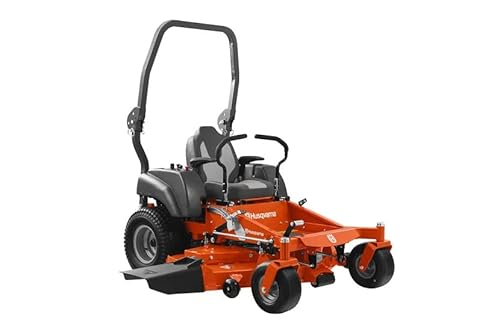
Best for Large properties and semi-commercial users who want speed and a wide deck
- 61-inch fabricated deck that clears wide open ground in fewer passes
- Kawasaki FR730V V-twin, commonly around 24 HP
- Roll-over protection bar and seat belt fitted as standard
- Commercial-style transaxles with a top speed around 8.5 mph
- Wide deck and higher speed cut big lawns fast
- ROPS and seat belt add a real safety margin on open ground
- Rugged build suited to high annual hours
- Too wide for tight lots and narrow gates
- Higher fuel use and a bigger storage footprint
Verdict: Built for acreage: a wide, fast, rugged deck for owners who measure lawns in acres.

Best for Owners up to a couple of acres who want quiet, maintenance-free electric mowing
- 52-inch deck driven by EGO's 56V ArC Lithium battery system
- Runs on up to six batteries for a published range around two acres
- Instant start with no oil, spark plugs, or fuel to manage
- Lap-bar or available e-Steer controls with a top speed near 8 mph
- Very quiet and clean, suited to early-morning or noise-sensitive areas
- Almost no routine maintenance beyond blade care and charging
- Batteries interchange with EGO's wider cordless tool range
- Range is capped by battery capacity, so big acreage means recharging
- Higher upfront cost once you buy the full battery set
Verdict: The standout electric pick: quiet, low-upkeep mowing for lawns inside its battery range.
Frequently Asked Questions
What size zero-turn mower do I need for 2 acres?
A 46 to 52-inch deck suits about two acres for most homeowners, balancing cutting speed with gate clearance and storage. Go wider, to 54 or 60 inches, only if the ground is wide open and you want to finish faster; go narrower if paths and beds break the lawn into tight sections.
Are gas or battery zero-turn mowers better?
Gas zero-turns win on run time and fast refuelling, making them the default beyond a few acres, while battery models like the EGO Power+ Z6 win on quiet, low-maintenance operation up to roughly one to two-plus acres per charge. Choose by acreage and how much upkeep you want to avoid.
How long does a residential zero-turn mower last?
A residential zero-turn commonly lasts several hundred to over a thousand engine hours when you keep the blades sharp, the deck clean and level, and the transaxles serviced on schedule. Fabricated decks and commercial transaxles, as on the Gravely ZT XL, stretch that further under heavy hours.
Do zero-turn mowers come with a roll bar?
Many mid-size and larger zero-turns, such as the Husqvarna MZ61, include a foldable roll-over protection bar and seat belt, while smaller residential models often make it optional. On any sloped or open ground, use the ROPS with the belt fastened; it is a key safety feature, not an accessory to leave folded down.