


How do you sharpen a hedge trimmer?
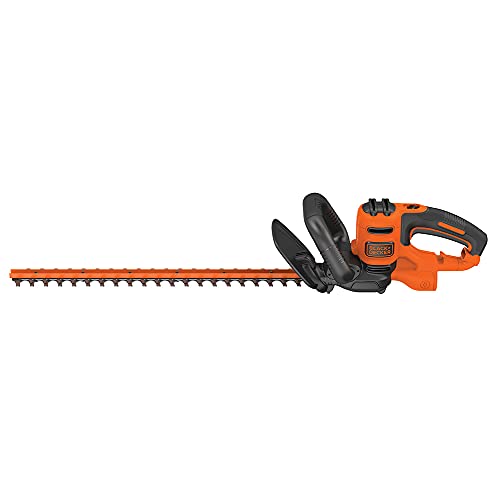
Sharpen a hedge trimmer by filing the beveled cutting edge of each tooth to match its original factory angle, roughly 30 to 45 degrees, using a flat mill file or a diamond file. Before you touch the blade, remove the battery, unplug a corded trimmer, or stop a gas engine and disconnect the spark plug lead, because an accidental start with your hands near the teeth is the main hazard.The steps below sharpen a set of hedge trimmer blades cleanly and evenly.
- Secure the trimmer so the blade cannot move, and clean sap and debris off the teeth first.
- File each tooth on the beveled cutting edge, moving in one direction from the base toward the tip, a few strokes at the factory angle.
- Give every tooth on both blades the same number of strokes so the edges stay even.
- Turn the blade over and remove any burr from the flat back face with a whetstone; do not grind a new bevel there.
- Wipe the blades clean, apply resin solvent to clear sticky sap, then add a light blade oil to protect them.
Light, regular touch-ups beat occasional heavy grinding, because taking off too much metal shortens the blade's life and can round the teeth. A sharp, clean, oiled blade also cuts with less strain on the motor or engine and leaves a tidier hedge face. If the teeth are badly nicked, bent, or worn down, a replacement blade set or professional sharpening is usually the better answer.
How often should you sharpen a hedge trimmer?
Sharpen a hedge trimmer whenever the cut quality drops rather than on a fixed schedule, which for most homeowners means a light touch-up once or twice a season and a fuller sharpening once a year. A blade that tears and browns the leaf tips, snags on growth it used to slice, or leaves a ragged face is telling you it has gone dull.How fast an edge dulls depends on use. Cutting near the ground where the blade catches grit, trimming dense or slightly woody growth, and long sessions all wear the teeth faster than light shaping of soft hedges. Regular light touch-ups are far better than waiting for the blade to go badly blunt, because a quick pass with a file restores a keen edge in minutes, whereas a neglected blade needs heavy grinding that removes far more metal and shortens its life. Keeping the teeth clean of sap between cuts also slows dulling, since a resin-caked blade drags and heats up.
What tools do you need to sharpen hedge trimmer blades?
You need a flat mill file or a diamond file, a whetstone or fine stone to remove the burr, and blade oil plus a resin solvent to finish, along with cut-resistant gloves and eye protection. A simple angle guide helps you hold the file at the factory bevel if you are not confident by eye.The right file makes the job quick and consistent, and a diamond file in particular holds up well on hardened hedge blades. The full range of options is covered in the sharpening files and tools guide, so you can match the file to your blade. A powered rotary tool with the correct stone can speed the work for someone experienced, but it removes metal fast and overheats an edge easily, so a hand file is the safer choice for most owners. Whatever you use, work with the tool’s power disconnected and your hands protected, since sharpening puts your fingers close to the very teeth you are honing.
When should you replace the blade instead of sharpening?
Replace the blade rather than sharpen it when the teeth are cracked, bent, badly nicked, or worn down so far that filing no longer restores a clean edge. Sharpening renews a tired edge, but it cannot fix damaged or deformed steel, and a compromised blade cuts poorly and can be unsafe.A worked example makes the line clear: a blade that simply leaves a slightly ragged face after a season of use wants a light file and an oiling, and will cut cleanly again. A blade with a tooth bent from hitting a fence, or teeth ground down over many years until the bevels have almost vanished, is past sharpening and wants a replacement blade set or a trip to a professional. Because a matched replacement blade is often modestly priced against the cost of the tool, replacing a genuinely worn or damaged blade is usually the better call than fighting to sharpen one that is beyond it.
The right files for the job are covered in our sharpening files and tools guide, and choosing a trimmer in the first place is covered in the main hedge trimmer guide. Wear cut-resistant work gloves whenever you handle the blade. This is general guidance based on common maintenance practice, not a substitute for your tool's manual.