



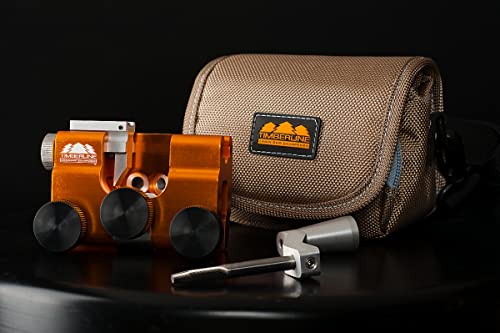
How many times can you sharpen a chainsaw chain?
A chainsaw chain can usually be sharpened around ten times or more before it needs replacing, but the number varies widely with how you sharpen. Light hand filing removes very little steel each time and can stretch a chain to many more sharpenings, while a bench grinder removes more metal per pass and reaches the chain's limit sooner. How often the chain hits dirt or rock also matters, because damage repair grinds away extra material.The real limit is not a count but a mark. Each cutter has a wear line, sometimes called a witness or file-back line, stamped into the top plate, and the chain is finished once the cutters have been filed back to it. At that point the remaining tooth is too short to cut safely or hold an edge.
To get the most sharpenings from a chain, favour light, frequent hand filing over rare heavy grinding, keep the file matched to the pitch, and avoid cutting into soil or stone. A stretched chain that will no longer tension, or one with cracked or broken cutters, should also be retired regardless of how much cutter is left. Our chainsaw chains guide explains how to spot a worn-out chain, and our chainsaw sharpening guide covers filing it correctly. These are general estimates based on typical owner experience, not a guarantee for any specific chain.
What is the chain wear line and where do you find it?
The wear line is a mark stamped into the top plate of each cutter, sometimes called a witness or file-back line, that shows the shortest safe length for the tooth. Once filing has taken the cutter back to that mark, the chain is finished and should be replaced.Look for a short line or notch angled across the top plate; as you sharpen, the cutter shortens toward it. Filing past the line leaves a tooth too short to hold an edge or cut safely, and it can stress the rivets. Our chainsaw chains guide shows how to read this mark alongside pitch and gauge.
What makes a chain reach its limit sooner?
A chain reaches its limit sooner when it is ground on a machine, filed with the wrong size file, or repeatedly repaired after hitting rock or dirt, because all three remove extra metal each time. Heavy-handed sharpening trades chain life for speed.The factors that shorten a chain's sharpening life are listed below.
- Bench grinding, which removes more metal per pass than a file.
- Frequent damage repair after the chain meets soil, stone, or metal.
- A wrong-size or worn file that reshapes rather than just sharpens the tooth.
- Overheating that blues a tooth, forcing you to grind back to sound steel.
Favour light, frequent hand filing and clean cutting to make a chain last as long as possible.
How do you get the most sharpenings from a chain?
Get the most sharpenings by filing little and often by hand, matching the file to the pitch, keeping the chain out of the dirt, and lowering the rakers only when needed. Each habit removes less metal, so the cutters take longer to reach the wear line.Keep the bar and drive sprocket in good order too, since a worn bar makes even a sharp chain cut poorly and tempts extra sharpening. Rotate between two chains if you cut a lot, so neither is ground repeatedly in one session, and clean logs before cutting to spare the edge.
When should you retire a chain regardless of the wear line?
Retire a chain immediately if a cutter or tie strap is cracked, a rivet is loose, drive links are damaged, or the chain will no longer hold tension, even if plenty of cutter remains. These faults make a chain unsafe well before it reaches the wear line.A stretched chain that keeps needing tightening has worn internally and should be replaced, as should any chain that has been kinked or run badly slack. Safety comes before squeezing out the last few sharpenings, and a fresh chain is inexpensive next to the risk of a thrown or broken one. Pair a new chain with a clean, oiled bar for the best cut, as covered in our chainsaw maintenance guide.


