

How do you adjust the brush height on a lawn sweeper?
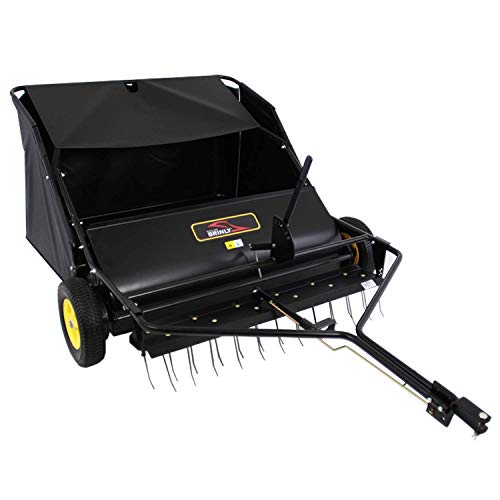
Brush height is the single setting that most affects how well a lawn sweeper picks up, and getting it right takes only a moment. The bristles should skim the grass tips: too high and debris slides under them, too low and the brushes drag, wear quickly, and can scalp the lawn.Follow these steps to set the height correctly.
- Park the sweeper on a flat, level surface before adjusting.
- Locate the height lever, knob, or pin — most sweepers place it near the brush housing.
- Lower the brush until the bristles lightly touch the grass tips, not the soil.
- Roll the sweeper a few feet and check that debris lifts into the hopper.
- Drop it one notch lower for pine needles or short grass; raise it for long grass or fluffy leaves.
A quick test pass tells you more than any chart: if material is left behind, lower the brush a little; if the sweeper feels like it's dragging or the bristles look bent under load, raise it. Match the setting to what you're clearing, since dense needles and acorns need the brush closer to the turf than light leaves do. Keeping the brush at the right height also extends bristle life, much like the seasonal care in our lawn mower maintenance guide. Re-check the setting whenever you switch between clippings, leaves, and needles.
Why does brush height matter so much on a lawn sweeper?
Brush height matters because it controls the only contact point between the sweeper and the debris. Set it right and the bristles flick material cleanly into the hopper; set it wrong and the sweeper either misses debris entirely or drags, wearing the brushes and scalping the lawn.Unlike a powered vacuum that sucks from a distance, a brush sweeper collects by physically touching the debris and throwing it backward. That makes the gap between bristle and ground the make-or-break setting. A brush riding even slightly too high lets leaves and needles slip underneath untouched, which is the number-one cause of the complaint that a sweeper won't pick up. A brush set too low drags on the turf, wears the bristles flat prematurely, and can pull up healthy grass. The sweet spot — bristles just grazing the grass tips — is narrow but easy to find with a short test pass.
What brush height should you use for different debris?
Use a lower brush setting for small, dense debris like pine needles and acorns, and a higher setting for light, fluffy leaves on longer grass. The bristles should always graze the grass tips; you are fine-tuning within that range, not digging into the soil.The rough guide below matches setting to material.
| Debris | Brush height | Pace |
|---|---|---|
| Pine needles, acorns | Lower, near the turf | Slow and steady |
| Grass clippings | Low, on short grass | Steady |
| Dry leaves | Slightly higher | Normal walking pace |
| Long grass, light leaves | Higher to avoid drag | Normal |
The reason dense debris needs a lower brush is simply that needles and acorns sit close to the soil and are small enough to slip under bristles set for leaves. Whenever you switch between clearing needles and clearing leaves, it's worth dropping or raising the brush a notch and testing a short pass rather than assuming one setting suits everything.
How do you know if the brush is set too low or too high?
You can tell the brush is set too high if debris is left behind after a pass, and too low if the sweeper feels like it's dragging or the bristles look bent under load. A quick test pass over a few feet of lawn shows both problems immediately.Watch and listen as you make that first pass. If leaves, needles, or clippings stay on the lawn behind the brush, lower it a notch and try again. If the sweeper is hard to push, the wheels struggle for grip, or you see the bristles splaying and bending as they meet the turf, the brush is too low — raise it until it just grazes the tips. Bent, prematurely flattened bristles are the tell-tale sign of running too low for too long, and they cost you pickup later. The goal is the lightest contact that still lifts your debris.
How often should you re-check the lawn sweeper brush height?
Re-check the brush height whenever you change the type of debris you're clearing, whenever the grass length changes, and once a season to compensate for bristle wear. It takes only a moment and directly protects how well the sweeper picks up.As bristles wear down over seasons of use, the effective gap to the turf grows, so a setting that once worked may start leaving debris behind — a nudge lower usually restores it until the brushes are truly worn out. Switching from a freshly mown lawn to a longer one, or from leaves to needles, also shifts the ideal height. Building a quick test pass into your routine, much like the seasonal checks in our lawn mower maintenance guide, keeps the sweeper collecting at its best all year.


