


How much is a small chainsaw?
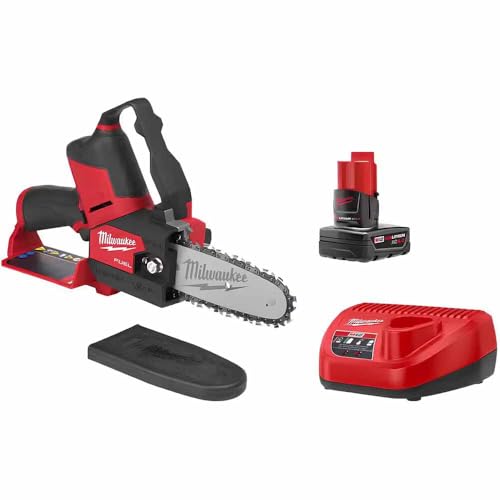
Small chainsaws are among the most affordable powered saws you can buy, and what you pay depends far more on the battery than on the saw itself. A bare tool costs the least when you already own compatible packs, while a kit that bundles a battery and charger costs more but gets you cutting the same day.Three broad tiers explain most of the price spread.
- Budget homeowner minis, such as small one-handed pruners, sit at the bottom and suit light, occasional use.
- Mid-range cordless kits with a battery and charger cost more and cover most yard work reliably.
- Pro-grade brushless saws sit at the top, where you pay for run-time, durability, and a deeper tool ecosystem.
Because prices shift with sales, the retailer, and whether a battery is included, the honest answer is to compare current listings rather than fix on a single figure.
Why does the battery often cost more than the saw?
The battery often costs more than the saw itself because lithium packs are expensive to manufacture, while a small saw's motor, bar, and housing are comparatively cheap. That is why a bare tool, sold without a pack, can look surprisingly inexpensive next to a full kit.This split is deliberate. Manufacturers sell bare tools so owners already on a platform do not pay for a battery and charger they already have, and sell kits so newcomers can start cutting the same day. The economics reward staying inside one system: once you own a couple of packs from a drill, blower, or full-size battery chainsaw, every bare tool you add afterward skips the biggest single cost. A standalone bargain on a platform you never expand looks cheap once but drags its own charger and pack along every time.
What is the difference between bare-tool and kit pricing?
The difference is simply whether a battery and charger are included, and it can change the price dramatically. A bare tool is the saw alone, cheapest for platform owners; a kit adds the pack and charger, costing more but complete for a first-time buyer.The two options and who each suits are compared below.
| Purchase type | Includes | Cheapest for |
|---|---|---|
| Bare tool | Saw only | Owners of compatible batteries |
| Kit | Saw, battery, charger | First-time platform buyers |
Reading a price without checking which of these you are looking at is the most common way buyers misjudge cost. Always confirm whether a listing includes a battery before comparing two saws.
Does a mini chainsaw or a small home chainsaw cost more?
A mini chainsaw usually costs less than a small home chainsaw, because it uses a shorter bar, a smaller battery, and a lighter build aimed at pruning. A 10-to-14-inch home saw adds bar length, power, and often a brushless motor, which raises the price.That said, a pro-grade brushless mini can cost more than a budget two-handed home saw, so the class alone does not decide the price; the motor, battery size, and brand do. For the models that justify their cost in each class, see our best mini chainsaw and best small chainsaw for home use picks.
What ongoing costs come with a small chainsaw?
The ongoing costs of a small chainsaw are modest: replacement chains, bar and chain oil, the occasional new bar, and eventually a fresh battery. A battery saw skips fuel and spark plugs entirely, which keeps running costs low for a homeowner.The recurring costs to expect are listed below.
- Bar and chain oil, the cheapest and most frequent consumable, needed every session.
- Replacement chains once sharpening no longer restores a clean cut.
- A new bar after long service, or if the groove wears or burrs.
- A replacement battery years down the line, the largest single ongoing cost.
Buying a saw whose chains and bars are widely stocked keeps these costs down, so a known brand is cheaper to own than a no-name bargain that leaves you hunting for parts.
How do you get the best value on a small chainsaw?
You get the best value by matching the saw to a battery platform you own or plan to grow, then keeping the chain sharp so you replace consumables less often. The cheapest saw to live with is rarely the cheapest one on the shelf.The habits that protect your money are listed below.
- Buy bare when you already own compatible packs, and buy a kit only to start a platform.
- Choose a bar and chain from a known maker so replacements stay cheap and easy to find.
- Keep the chain sharp with regular chainsaw sharpening, which delays buying a new chain.
- Buy the shortest bar that clears your usual wood, since bigger saws and batteries cost more.
Prices change often, so treat any figure you see as a snapshot and compare current listings before you buy.


