


Do chainsaw chaps actually work?
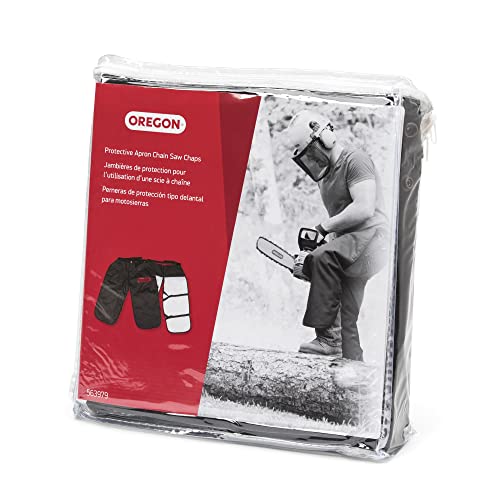
Chainsaw chaps do work, and the evidence is strong enough that OSHA's logging standard requires cut-resistant leg protection for professional operators. When a chain contacts certified chaps, the pulled fibers jam the saw and stall the chain before it reaches the leg, turning what could be a deep laceration into a torn garment.
How well do they protect?
Protection is high but not absolute. Chaps guard only the zone they cover — apron styles leave the back of the calf exposed — and an extreme cut, a chain running above the rated speed, or a badly fitted chap can defeat them. They're also tested chiefly against gas saws; some battery-powered saws may keep driving the chain instead of stalling.
What chaps don't protect
Chaps cover legs only. They do nothing for the many chainsaw injuries caused by kickback to the head and hands, which is why they're one layer of a kit that also needs a helmet and face shield and cut-resistant gloves.
Making chaps effective
For chaps to work, buy a pair certified to ASTM F1897, size the length correctly, fasten every strap, and replace them after any chain contact. Uncertified or worn chaps give a false sense of safety. Used properly and as part of a full PPE kit, chaps are among the most effective safety buys for anyone running a saw.
What does the evidence say about chainsaw chaps?
The evidence is strong enough that OSHA's logging standard requires cut-resistant leg protection for professional saw operators, and safety authorities consistently recommend certified chaps for anyone running a saw. When a chain meets certified chaps, the pulled fibers jam the saw and turn a potential laceration into a torn garment.
The mechanism is well understood and repeatable: the loose cut-retardant fibers deploy into the sprocket and stall the chain before it reaches the leg. That's why leg protection is written into the professional standard rather than left to preference. The honest caveat is that chaps reduce risk rather than eliminate it — they protect the zone they cover, must be certified and well-fitted, and are tested chiefly against gas saws — but as a layer of protection they are among the most effective safety buys a saw user can make.
When do chainsaw chaps fail?
Chaps fail when something defeats the fiber mechanism or the coverage doesn't reach the wound. The common causes are an uncertified garment, a chain running faster than the chap's rating, a poor fit that moves the protected zone, or contact outside the covered area.
The main failure modes are worth naming:
- Uncertified "chainsaw-style" chaps that were never tested to jam a chain.
- A chain speed above the chap's rated class, especially on fast cordless saws.
- Apron coverage when the cut lands on the unprotected back of the calf.
- Loose or twisted chaps that shift the protective front off the leg.
- Worn, cut, or oil-soaked pads whose fibers can no longer pull free.
Every one of these is avoidable: buy certified, match the rating to your saw, fit the chaps properly, and retire them once damaged.
Are certified chaps worth it for a homeowner?
Certified chaps are well worth it for a homeowner, because most chain-contact injuries happen during quick, occasional tasks — exactly the cutting homeowners do — and a certified pair costs a small fraction of a leg-wound emergency visit. The occasional user isn't a low-risk user.
Homeowners often cut without the routines and training a professional has, which makes protective legwear more valuable, not less. A certified apron chap over normal trousers covers the front leg zone hit in nearly every accident, straps on in under a minute, and can be shared across a household. Skipping it to save a modest sum is a poor trade against the cost and permanence of a serious cut, which is why the full PPE guide treats certified chaps as a baseline buy.
How do chaps compare with trousers for effectiveness?
Certified chaps and certified trousers stop a chain the same way and to the same standard, so neither is inherently more effective for the zone it covers. Trousers protect more consistently because, as a full garment, they can't ride up or leave the rear gap an apron chap can.
For stationary, ground-level cutting where the bar stays in front, a well-fitted apron chap has no meaningful coverage gap and is effective, lighter, and cheaper. For moving work — limbing, slopes, all-day use — trousers deliver the same certified protection without shifting out of place. The choice is about coverage consistency and comfort rather than raw effectiveness, a trade-off our chaps vs pants comparison weighs in full.

