

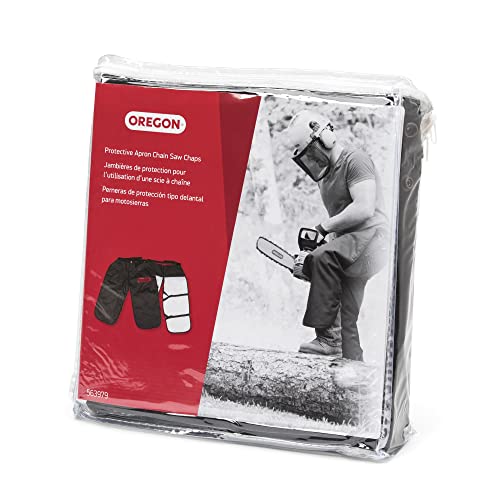


What are chainsaw safety pants and how do they protect you?
Chainsaw safety pants are full protective trousers with cut-retardant fibers built into the legs that jam a chain and stall it on contact. Unlike chaps, which strap over your clothing, safety pants are worn as your primary trousers, so the protective layers can't shift, gap, or ride up mid-cut.
Inside, the fabric works the same way as chaps. When a chain tears the outer shell, long loose fibers pull free, wrap around the drive sprocket and clutch, and stop the chain in a fraction of a second. The garment is sacrificed in the process and must be replaced after any contact.
What do Type A and Type C coverage mean?
Coverage classes tell you which parts of the leg the fibers guard. Type A trousers protect the front and inner leg — the zone hit in the vast majority of cutting accidents — and suit ground-level and occasional work. Type C trousers add all-round protection, wrapping the full circumference of both legs.
Type A is lighter, cooler and cheaper, and it is what most homeowners and firewood cutters need. Type C is heavier and hotter but is standard for professional arborists, mechanised operators, and anyone whose saw can reach the back of the leg. Choose the class for your actual work, not the worst case you can imagine.
Which safety standard should chainsaw pants meet?
Certification separates real PPE from lookalike workwear. In North America, protective trousers should meet ASTM F1897 and carry a UL mark; in Europe, the UK and Australia, look for EN ISO 11393 (formerly EN 381) with a stated protection class. The label must print the standard — if it doesn't, treat the garment as unprotected.
Protection classes also encode chain speed, with higher classes tested against faster chains. Match the class to your saw, remembering that some fast-running electric and battery chainsaws may exceed the speed a lower class was tested against. When in doubt, size the class up rather than down.
What fit and features should you look for?
Fit decides how well safety pants protect, so settle the waist size and leg length before you weigh any feature. An adjustable or elasticated waist, articulated knees, and stretch panels let you kneel, climb, and squat without dragging the protective front out of position, which is where a badly fitted trouser fails.
The features worth paying for support wear and comfort rather than looks. Ventilation zips and a moisture-wicking liner cut heat on long days; reinforced lower legs resist abrasion from bark and brush; and a slightly longer rise keeps the waistband from gaping when you bend. Reflective trim and cargo pockets are conveniences, not protection — never let extra pockets distract you from the certification mark and the leg-length fit, which are the parts that actually stop a chain.
When are safety pants worth it over chaps?
Safety pants earn their higher price when you cut often or move a lot. Because they are a full garment, they can't twist or leave the back gap that apron chaps do, and breathable models stay bearable through long sessions. Anyone limbing, working on slopes, or running a saw daily benefits from the closer, more consistent coverage.
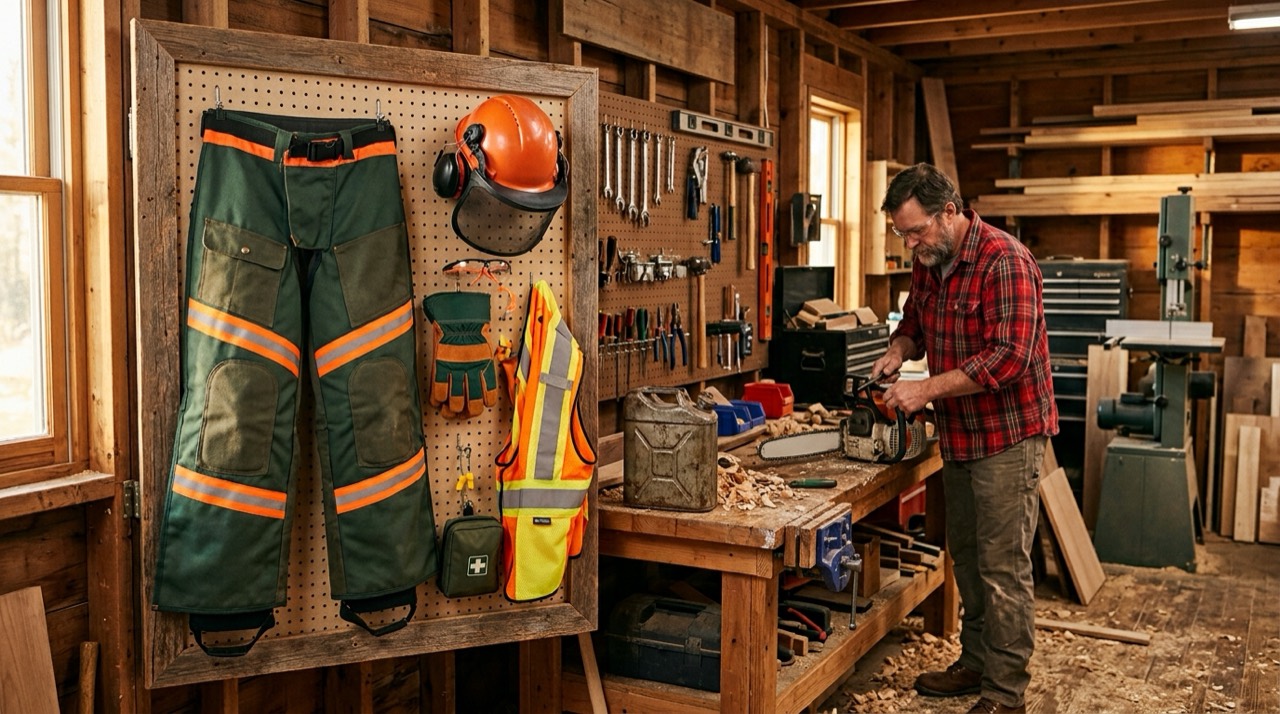
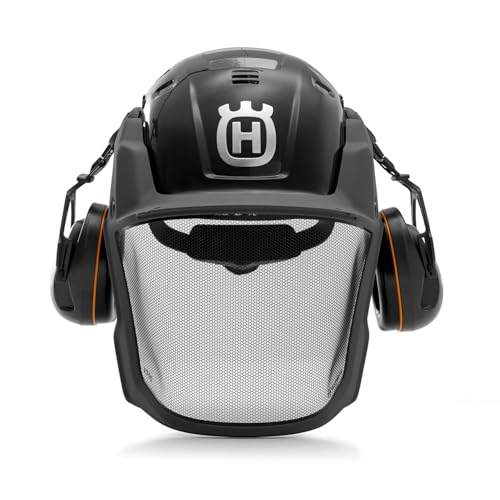
Chaps still make sense for occasional, shared, or throw-in-the-truck use — see our chaps vs pants comparison for the full trade-off. Whichever you choose, protective legwear is only one layer: add a helmet and face shield, hearing protection, and cut-resistant gloves, and read the main chainsaw chaps and PPE guide before your first cut.
How do Type A, Type B and Type C coverage differ in detail?
The design types differ by how far the protective fabric wraps around the leg. Type A covers the front and inner leg, Type B adds a strip on the inner right leg, and Type C wraps the full circumference of both legs for all-round protection.
Type A is the most common and suits the vast majority of ground-level and occasional cutting, because nearly all chain-contact injuries strike the front of the leg. Type C, wrapping the whole leg, is heavier and hotter but is standard for professional arborists and mechanised operators whose saw can reach any part of the leg. Alongside the design type, EN ISO 11393 grades protection by chain speed class: Class 0 to 16 metres per second, Class 1 to 20, Class 2 to 24, and Class 3 to 28. Read both markings together — a Type A Class 1 trouser and a Type C Class 3 trouser protect very different zones against very different chain speeds. Match both to your saw and your work.
How do you measure yourself for chainsaw safety pants?
Measure your waist and inside leg before ordering, because protective trousers are sized as a full garment and a wrong length either bares the ankle or bunches at the boot. Take the measurements over the clothing you'll actually wear underneath.
Work through these steps:
- Measure your natural waist where the trouser waistband will sit, keeping the tape level.
- Measure the inside leg from crotch to the top of your boot, in your work boots.
- Compare both figures to the manufacturer's size chart rather than assuming your usual trouser size.
- If you're between waist sizes, favour the size that lets you fasten comfortably over a base layer.
- Check the leg length reaches the boot with the knee bent, so nothing pulls up when you squat.
A trouser that fits at the waist but is short in the leg still leaves a gap, so treat leg length as the measurement that decides protection, just as it does with chaps.
What goes wrong with chainsaw safety pants, and how do you avoid it?
Most problems with safety pants come from poor fit, the wrong protection class, or neglected care rather than a fault in the garment. A trouser that's too big, under-rated for the saw, or coated in bar oil quietly loses the protection its label promises.
Avoid the common failures:
- Buying a lower protection class than your saw's chain speed, especially with fast cordless saws.
- Choosing Type A when your work regularly puts the saw behind the leg, where Type C is needed.
- Sizing for the waist alone and ending up with legs too short to reach the boot.
- Washing with fabric softener or bleach, which coats or degrades the cut-retardant fibers.
- Letting bar and chain oil soak into the protective panel and stiffen it.
- Wearing trousers on after a chain nick instead of retiring them.
Each mistake is easy to prevent, and together they explain most cases where "protective" trousers under-perform in the field.
Are chainsaw safety pants comfortable enough to wear all day?
Modern protective trousers are built to be worn all day, and for regular cutting they're more comfortable than strap-on chaps despite covering more of the leg. The trade-off is heat: full-leg coverage traps warmth unless the trouser is designed to breathe.
Comfort comes from the cut and the fabric. Articulated knees, stretch panels, and an elasticated or adjustable waist let you kneel, climb and squat without the protective front dragging out of place, while ventilation zips and a wicking liner shed heat on long days. Slimmer ergonomic models are favoured by climbing arborists for exactly this freedom of movement. A homeowner in a hot climate may still find an apron chap cooler for occasional work, but anyone cutting for hours usually finds a well-chosen trouser more comfortable than repeatedly adjusting chaps — and far more consistent in the coverage it delivers.
How do safety pants suit a homeowner versus an arborist?
A homeowner and an arborist need different things from safety pants: the homeowner wants affordable, breathable Type A protection for occasional ground work, while the arborist needs durable, often all-round coverage that survives daily wear and constant movement.
For the homeowner cutting firewood or clearing storm damage a few times a year, a Type A trouser — or a certified apron chap — covers the at-risk front leg zone without unnecessary weight or cost. The arborist climbing, limbing, and running a saw for hours needs a trouser built for movement and abrasion, frequently in a higher protection class, and sometimes Type C for all-round cover when the saw can reach any part of the leg. The saw matters too: match the protection class to whether you run a homeowner gas saw or a faster professional or battery model. Both users still need the full kit around the legwear — helmet, hearing and eye protection, and gloves.
When should you replace chainsaw safety pants?
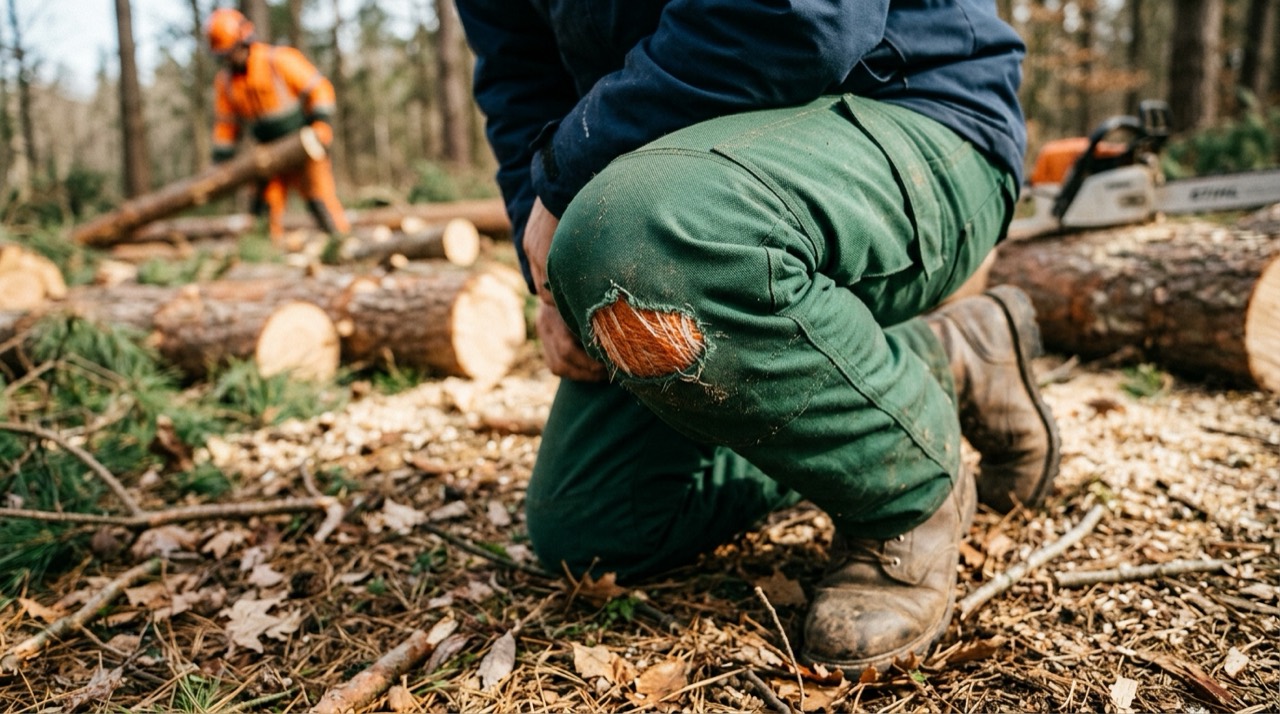
Replace safety pants immediately after any chain contact, because the cut-retardant fibers in that spot have deployed and no longer protect. Retire them too when the shell is torn, the protective panel is oil-soaked or matted, stitching is failing, or worn thin patches appear.
There's no fixed expiry date printed on protective trousers — damage and wear end their life, not the calendar. Because they're worn as an everyday garment, trousers accumulate abrasion, laundering and knee wear faster than chaps, so inspect them before every session and after any incident. When a section stays stiff after cleaning, or you can see or feel the inner fiber through the shell, treat the trousers as spent. A replacement pair costs a fraction of a serious leg injury, so when protection is genuinely in doubt, buy new rather than stretching an old pair one more job.
How do you care for chainsaw safety pants?
Care keeps the protection intact. Wash trousers in cool water without fabric softener or bleach, which can coat or degrade the cut-retardant fibers, and air-dry them rather than using high heat. Store them clean and dry, away from fuel and bar and chain oil, which can saturate and weaken the layers.
Inspect the trousers before every session for cuts, fraying, or thin spots, and retire them after any chain contact. Treated as consumable safety gear and replaced when worn, a good pair of chainsaw safety pants protects reliably for years.