

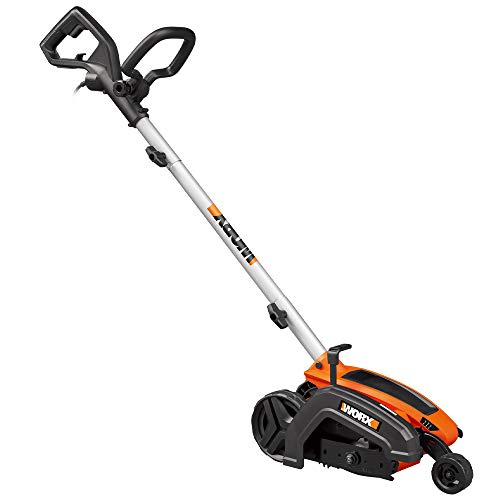
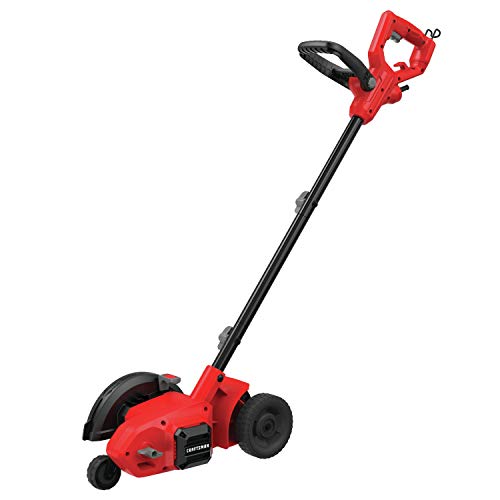

How deep should a lawn edger cut for maintenance?
For routine maintenance, a lawn edger should cut only about 1.5 to 2 inches deep — just enough to re-define the line that already exists. Grass edges do not need to be re-carved from scratch every week, and a shallow pass keeps the edge sharp without stressing the turf.Cutting too deep on every pass is a common mistake. It scalps the edge, exposes soil, and can sever grass roots along the border, leaving a brown, uneven line that takes weeks to recover. A shallow, consistent maintenance depth produces the cleanest long-term result.
When should you cut deeper?
Cut deeper — around 3 to 4 inches — only when you are establishing a brand-new edge, reclaiming a border grass has overgrown, or trenching a channel for brick, stone, or metal edging. These are occasional jobs, not weekly ones. Once the fresh edge or trench is cut, drop the blade back to a shallow setting for ongoing upkeep.How do you handle hard or compacted soil?
On hard, dry, or compacted soil, make two passes at increasing depth rather than forcing one deep cut. The tool below lists the depth-setting habits worth following:- Shallow (1.5 to 2 in.) for weekly grass-edge maintenance.
- Deep (3 to 4 in.) for new edges and border trenching only.
- Two staged passes on hard soil instead of one forced deep cut.
- Water first if the ground is bone-dry, so the blade cuts cleanly.
Staging the cut protects the motor, reduces thrown debris, and gives a straighter line. If your edger struggles even at a shallow depth, check whether the blade is worn — a dull blade fakes the symptoms of soil that is too hard. For the full picture on choosing depth-adjustable models, see our lawn edger guide.
Why does cutting too deep damage the lawn?
Cutting too deep on every pass damages the lawn because it scalps the border, exposes bare soil, and severs the shallow grass roots that hold the edge together, leaving a brown, ragged line that takes weeks to recover. Depth should re-define the existing line, not re-dig it.The visible edge you want is really the top of a shallow, stable groove. Once that groove exists, a light pass keeps it crisp; carving a deep new trench each time removes healthy turf that then has to regrow from the crown. Over a season, over-deep edging produces a widening strip of thin, weedy, sun-baked soil along your walks — the opposite of the clean border you were after. A shallow, consistent depth is what actually looks professional over time.
How does soil type change the ideal edging depth?
Soil type changes how you reach a depth more than the target depth itself: loose, moist loam cuts to the full setting in one easy pass, while hard, dry, or clay soil should be reached in two staged passes to protect the motor and keep the line clean. The finished depth stays the same.Sandy and well-worked soils cut freely, so a single maintenance pass at 1.5 to 2 inches is straightforward. Compacted clay and dry summer ground resist the blade, throw more debris, and can bog a lighter tool, so stepping down in two passes is smarter than forcing one. Watering the line the day before helps a dry edge cut cleanly. Rocky soil calls for extra care — clear visible stones first, since the blade will fling them and dull faster against grit.
How do you set the depth on a lawn edger?
Set the depth using the tool's preset stops or adjustment knob with the power off, choosing the shallowest setting that re-defines your line for routine work. Most powered edgers offer two or three positions, so switching between maintenance and trenching takes only seconds.The steps below cover a typical depth change:
- Cut the power — unplug, remove the battery, or disconnect the spark-plug wire.
- Find the depth lever, knob, or pin near the blade housing.
- Select the shallow position for weekly upkeep or the deepest for a new edge.
- Confirm the setting locks firmly so it cannot drift mid-pass.
- Restore power and test on a short section before committing to the full run.
If your edger has no depth stops at all, it is a light-duty or string-based tool best kept for shallow grass upkeep. For models with genuine, quick depth control, see the depth-adjustable picks in our best lawn edger roundup.


