

How often should you edge your lawn during the growing season?
During the active growing season, edging every two to three weeks keeps your borders looking sharp, which for most people works out to every second or third mow. Grass creeps over hard edges gradually, so re-defining the line on that cadence prevents it from ever getting badly overgrown.The exact frequency depends on how fast your grass grows. Warm-season lawns in summer, or any lawn that is well fed and watered, push growth quickly and may need edging closer to once a week to stay crisp. Cool-season lawns and slower-growing turf hold their edge longer.
Does edging frequency change with the seasons?
Edging frequency drops sharply outside peak growth. In spring and summer, stick to the two-to-three-week rhythm; in fall, stretch the interval as growth slows; and in winter dormancy, most lawns need little or no edging at all. Let the lawn tell you — edge when the border begins to blur rather than on a rigid calendar.Can you edge too often?
Edging too often, or too deep each time, does more harm than good. Cutting a deep trench every pass scalps the border and stresses grass roots, producing a brown, ragged line. The habits below keep edging effective without overdoing it:- Edge to maintain, not re-create — a shallow pass to re-define the existing line.
- Match the interval to growth — more often in peak season, less in dormancy.
- Keep the depth shallow for routine passes to protect the roots.
- Trim between edges with a string trimmer for light touch-ups.
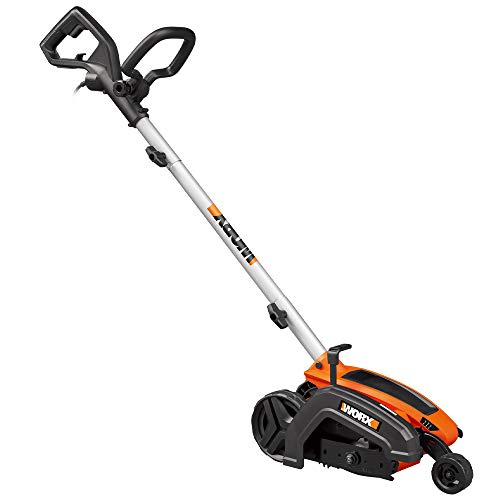
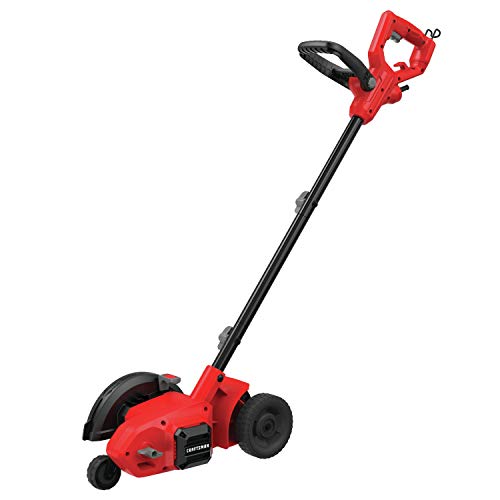
Edged on a sensible schedule at a shallow depth, a lawn keeps clean, professional-looking borders with minimal effort. For model choices that make frequent edging easy, see our best lawn edger roundup.
How does grass type affect how often you edge?
Grass type strongly affects edging frequency: vigorous warm-season grasses that spread by runners cross a hard edge quickly and need edging closer to weekly in summer, while upright, cool-season grasses hold their line and can go two to three weeks or more between passes.Bermuda, Zoysia, and St. Augustine send out horizontal stolons that creep onto pavement fast, so their borders blur sooner and demand a tighter schedule during peak growth. Fescue and Kentucky bluegrass grow more upright, invade edges slowly, and stay crisp longer. Feeding and watering push any lawn to grow faster and therefore need edging more often, while an unfertilised or drought-stressed lawn slows down and needs it less. Match the interval to how quickly your particular grass actually reaches across the line.
Should you edge every time you mow?
You do not need to edge every mow; edging every second or third mow keeps most borders crisp, because grass creeps over a hard edge more slowly than the open turf grows tall. Edging on every single pass would over-work the border for little visual gain.A practical rhythm is to mow weekly and edge every two to three weeks, tidying the border in between with a quick vertical pass of a string trimmer where a few blades lean over. During the fastest growth of a warm-season summer you might edge more often; in slow spells, less. The point is to re-define the line just before it blurs, not to re-cut a sharp edge that is still perfectly sharp.
How do you reclaim borders that have overgrown?
Reclaim an overgrown border with one deeper pass to cut back the invading grass, followed by a shallow clean-up pass and then a return to routine shallow edging. Grass that has crept well over a walk has rooted into the seam, so the first pass has real material to remove.Work it in stages:
- Clear the overgrown strip of any hidden stones or sprinkler heads.
- Make a first pass at a deeper setting to sever the runners and lift the invaded turf.
- Rake or pull away the cut grass and loosened soil to reveal the new line.
- Make a shallow finishing pass to clean up and define the edge.
- Return to a shallow maintenance depth on your normal schedule from then on.
Once reclaimed, keeping to a sensible two-to-three-week interval stops the border ever getting that overgrown again. A quick pass with a leaf blower clears the raked debris off the pavement to finish the job.


