


How long do electric log splitters last?
A well-maintained electric log splitter commonly lasts many years, and for a homeowner splitting a few cords each season it can serve for a decade or more. Because there is no petrol engine, the parts that wear out first on a gas splitter simply are not there, which is a large part of the electric machine's appeal.The hydraulic system is the heart of the machine and the main thing to look after. Keeping the fluid clean and topped up, changing it at the interval the manual sets, and not overworking the pump on rounds beyond the machine's rating all extend its life. Aerated or contaminated fluid is a common cause of a splitter that loses force, and running the motor against a stalled ram repeatedly can overheat it.
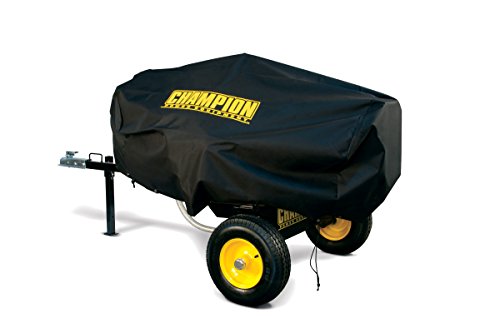
Storage does the rest. Rust on the steel beam and moisture in the hydraulic reservoir cause many off-season faults, so keep the splitter dry and covered, especially in an unheated garage or shed. Grease the beam and rails so the ram slides freely, clear wood debris after each session, and protect the machine before long idle periods. These simple habits prevent most premature failures.
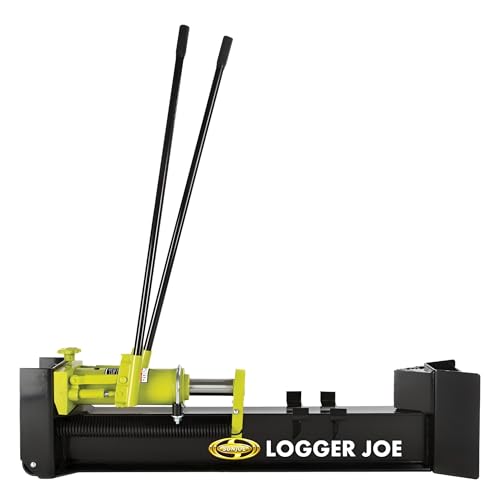
Build quality still varies, and no-name imports tend to fail sooner and are harder to get parts for than machines from established brands such as Sun Joe, WEN, Boss Industrial, and Powerhouse. Choosing a supported brand and following the maintenance routine is the surest way to a long service life, as our electric log splitter guide explains. These are general estimates based on typical owner experience, not a guarantee for any specific model.
What wears out first on an electric log splitter?
With no engine to fail, the parts that wear first on an electric splitter are the hydraulic seals, the pump, the switch and thermal-reset gear, and occasionally the motor if it is repeatedly overworked. The steel beam and wedge, by contrast, last almost indefinitely with basic care.Seals harden and weep with age and cold, which shows up as oil around the cylinder or fittings and a gradual loss of force. The pump can wear if it is run for years on contaminated fluid or forced against stalled rounds. Electrical switches and the thermal reset see a lot of cycles and are a common, inexpensive failure point. None of these is unusual or fatal on a supported brand, because seal kits, switches, and pumps are replaceable parts rather than reasons to scrap the machine.
What signs show an electric splitter is wearing out?
The clearest signs of wear are a splitter that has lost force, an oil weep around the cylinder or hoses, a ram that returns slowly or sticks, and a motor that trips its thermal cut-out more often than it used to. Catching these early keeps a small fix from becoming a big one.Loss of force usually traces to low or aerated hydraulic fluid before it means a worn pump, so check and top up the oil first. A persistent leak points to a hardening seal that a service kit will cure. A sticky, slow ram often just needs the beam greased and debris cleared. Frequent thermal trips point back to the power supply as often as the motor. Treating each symptom promptly, rather than pushing through it, is what separates a decade of service from a short life.
How do you make an electric log splitter last longer?
Making an electric splitter last is mostly about the hydraulic fluid and dry storage, with a few minutes of care paying back in years of service. Clean oil, a greased beam, and a dry reservoir prevent the faults that retire most machines early.Follow this routine to extend its life.
- Check the hydraulic fluid level regularly and top up with the specified oil.
- Change the fluid at the interval the manual sets, before it darkens or aerates.
- Grease the beam and rails so the ram slides freely, and clear debris after each session.
- Run a short, heavy-gauge cord on a capable circuit so the motor is never starved.
- Store the machine dry and covered, especially over winter in an unheated space.
Choosing a supported brand such as Sun Joe, WEN, Boss Industrial, or Powerhouse and following this routine is the surest path to a long service life, as our electric log splitter guide explains.