


How do you use a manual log splitter?
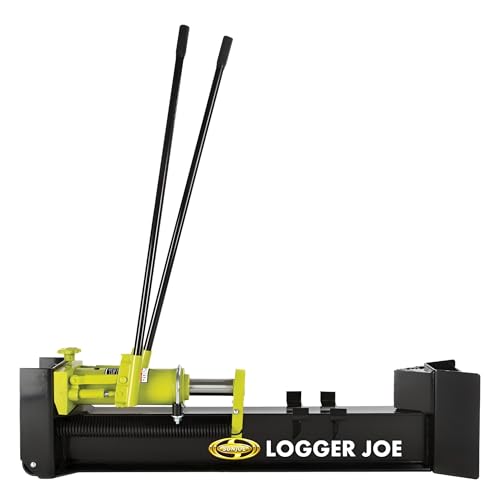
Use a manual log splitter by loading a round, driving the wedge with the pump or slide hammer, and keeping your hands well clear of the splitting path. Work only seasoned rounds cut to the machine's length limit, and split on a stable base at a comfortable height rather than bending over the ground.
What are the steps?
The basic sequence is the same across most manual splitters and is listed below.
- Buck the log to length with a firewood chainsaw and stand the round on a flat face.
- Seat the round on the splitter frame, snug against the wedge.
- Work the two-speed pump lever, or drive the slide hammer, in steady strokes.
- Let the wedge open the split, then clear the halves before the next round.
What should you avoid?
Never steady a round with your hand while operating the pump, and do not force oversized, green, or heavily knotted wood that the machine clearly resists. Overreaching a manual splitter wastes effort and risks slips. If a round will not go, set it aside for a splitting maul or a more powerful machine.
What safety gear do you need?
Wear eye protection and work gloves every time, because split wood throws chips and slivers. Keep bystanders back, work on a stable log stand, and read the manual that ships with your splitter. This is general guidance, not a substitute for the maker's instructions.
How do you prepare wood for a manual splitter?
Prepare wood by seasoning it and bucking it square before you split. Dry rounds cut to the machine's length limit and stood on a flat face split with far less effort than green or over-long pieces. Good preparation is listed below.
- Season rounds on a rack until dry, because wet wood resists a manual splitter badly.
- Buck each log to the frame's length limit with a saw from our gas chainsaw guide.
- Cut the ends square so the round stands flat and does not rock under the wedge.
- Sort out knotty or oversized pieces for a maul before you start.
Time spent here is repaid in every split that follows.
How do you work a manual hydraulic pump efficiently?
Work the two-speed pump by letting each stage do its job. The fast stage closes the gap between wedge and wood quickly; the slow, high-force stage supplies the tonnage for the split, so ease your pace as resistance builds rather than fighting the lever. Keep strokes full and steady, and let the ram open the split completely before you back it off. Pumping smoothly beats pumping hard, and it saves your arms across a pile.
How do you use a slide-hammer splitter?
Use a slide-hammer splitter by lifting the sliding weight and dropping it onto its stop in controlled strikes, letting momentum drive the wedge deeper with each blow. Keep the round centred under the wedge and your hands on the handle, never near the blade. Repeated strikes deepen the split until the wood opens. Because the motion is vertical and guided, it is safer and more controlled than swinging a maul overhead, though effort still climbs with round size.
What do you do when a round will not split?
Stop and reassess rather than forcing it. A round that resists is usually green, oversized, or badly knotted, and pushing a light manual splitter past its limit wastes effort and risks a slip. Set the piece aside for a splitting maul or a more powerful machine, try turning the round to attack the grain from a different face, or split a thinner slab off the edge first. Never steady a stubborn round with your hand while working the mechanism.
A worked example: clearing a small pile of seasoned rounds
Imagine a wheelbarrow of seasoned rounds set beside the splitter at a comfortable height. Working methodically, so you buck square, seat centred, pump or strike steadily, and clear the halves, turns the pile into stacked firewood without strain. Re-split large halves down to burnable size, keep work gloves and eye protection on throughout, and pause the moment a round refuses. Handled this way, a manual splitter clears a modest load quietly and safely, which is exactly what it is built to do.