





Electronic and Bluetooth ear protection for chainsaw users
Electronic ear protection uses microphones and a small amplifier to let safe, low-level sounds through while instantly clamping down on dangerous noise. For chainsaw users it solves the biggest drawback of ordinary muffs — total isolation — so you can hear a workmate, a warning shout or an approaching vehicle without lowering your guard.
How does electronic hearing protection actually work?
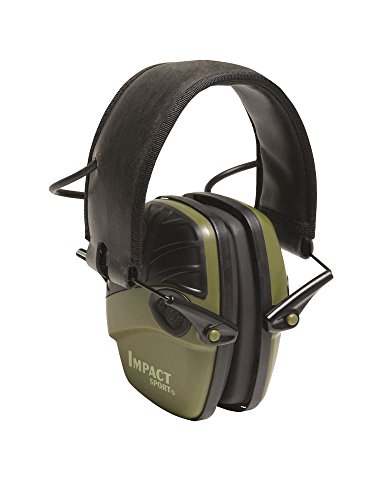
Electronic hearing protection samples the sound around you and reproduces quiet sounds through internal speakers while cutting off loud ones. External microphones feed an amplifier that passes through speech and ambient noise below a set threshold — usually about 82 to 85 dB — then compresses or blocks anything louder in a fraction of a second.
The physical muff still provides the passive seal, so if the batteries die you keep the labeled NRR of the shell. The electronics simply add "hear-through" on top. When your saw fires up, the circuit clamps the loud input to a safe level almost instantly, then reopens the moment you ease off the throttle. That is why an electronic muff with a modest NRR 22 can be safer in practice than a high-NRR passive muff: you are far more likely to keep it on all day because you are not cut off from the world.
Better electronic muffs use directional microphones so you can tell which way a sound came from — useful when a groundworker calls up to you, or a vehicle rolls onto the site. The response time matters too: a good circuit clamps a sudden loud impulse, such as a branch cracking, within milliseconds, so the peak never reaches your ear. Cheaper units can lag or "pump", cutting all sound briefly after each loud noise, which is why owner feedback on response quality is worth reading before you buy.
Passive, electronic and Bluetooth muffs compared
The table below sums up how the three earmuff types differ for outdoor tool work:
| Feature | Passive muff | Electronic muff | Bluetooth muff |
|---|---|---|---|
| Hears speech and warnings | No | Yes, via pass-through | Yes, plus calls and audio |
| Needs batteries or charging | No | Yes | Yes |
| Typical published NRR | Highest (up to about 31) | Moderate (around 22) | Moderate (around 25) |
| Best use | Pure noise blocking | Busy or shared sites | Long solo jobs with comms |
| Relative cost | Lowest | Moderate | Highest |
Choose a passive muff when you only need maximum quiet, an electronic muff when awareness keeps you safe, and a Bluetooth muff when you want calls and audio on long solo sessions running a gas chainsaw or clearing with a leaf blower.
Are Bluetooth earmuffs safe, or do they encourage loud listening?
Purpose-built Bluetooth safety earmuffs are safe because the good ones limit their own output, unlike ordinary earbuds. Quality models cap volume near 85 dB so audio and calls cannot themselves become the hazard, while the muff shell still blocks the tool noise passively.
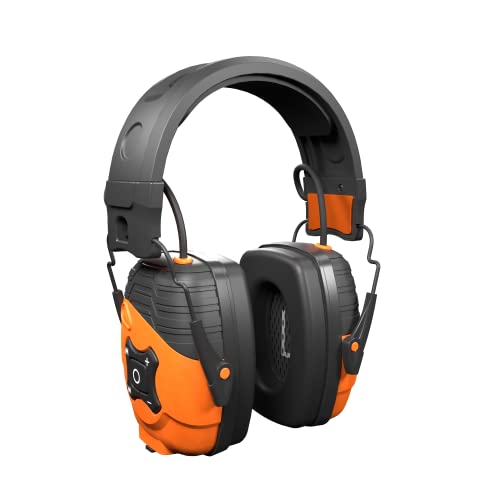
The danger with regular music earbuds is twofold: they are not certified hearing protection, and users crank the volume to overpower the saw, layering damaging audio on top of damaging tool noise. Dedicated Bluetooth safety muffs such as the ISOtunes line address both problems with built-in volume limiting and a rated passive seal. Treat the Bluetooth function as a convenience riding on genuine protection, never as a reason to raise the volume — if you find yourself pushing the audio louder to beat the tool, the seal or the fit needs attention.
What features separate a good electronic earmuff from a cheap one?
The best electronic muffs pass sound through cleanly, clamp loud noise instantly without pumping, and keep a solid passive seal for when the batteries die. Cheap units lag, cut all sound after each loud noise, or add hiss — which is why the electronics, not just the NRR, are worth scrutinising.
Look for these signals of a capable electronic muff:
- Directional or stereo microphones, so you can tell which way a shout or engine came from instead of hearing flat, placeless sound.
- Fast attack and release: the circuit should clamp a sudden crack within milliseconds and reopen smoothly, without silencing everything for a beat afterward.
- A genuine passive NRR on the shell, because that is your protection whenever the electronics are off or flat.
- Sensible battery design: common AA or AAA cells, useful runtime, and an auto-shutoff to save power.
- An audio input jack or comfort features — slim cups, soft cushions — that keep the muff on for long sessions.
Owner feedback on response quality matters more than the headline NRR here, since a low-lag electronic muff you keep on beats a high-rating passive one you take off to hear a workmate.
How do you set up and use electronic earmuffs correctly?
Set the volume and check the seal before the saw starts, not after, so the pass-through helps you without ever exposing you. The electronics add awareness on top of the passive shell — they do not replace a proper fit.
Follow this order each time you use them:
- Fit fresh or charged batteries and confirm the muff powers on.
- With the saw off, raise the volume until quiet speech and ambient sound come through clearly, then stop — louder is not safer.
- Seat the cushions flat against your head, sweeping hair and thick glasses arms clear of the seal.
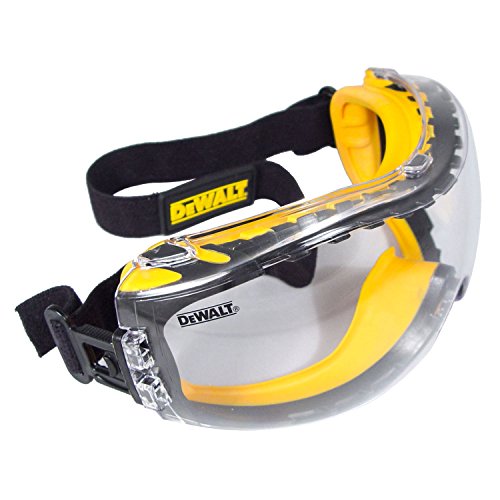
- Fit slim safety glasses so the arms sit under the cushions.
- Do a talk test: your voice should sound muffled through the seal even with the electronics on.
- Start the tool; if you catch yourself turning the volume up to beat the engine, the seal or fit needs attention, not more volume.
Because the muff auto-clamps loud input, you keep the pass-through on the whole time — the point is to hear the world between cuts, not to amplify the saw.
Electronic muffs or foam earplugs — which should you choose?
Choose electronic muffs when awareness or comms keep you safe, and foam earplugs when you want the most attenuation for the least money and heat. They solve different problems, and many people who run a gas chainsaw regularly own both and switch by task.
Electronic muffs earn their price on busy or shared sites — where hearing a groundworker, a warning, or an approaching vehicle prevents accidents — and for anyone who dislikes the total isolation of a passive muff. Foam earplugs win on the loudest solo jobs: they carry higher ratings, cost little, sit cooler under a helmet in summer, and have no batteries to fail. The honest trade-offs are these: electronic muffs depend on a working circuit and cost more, while foam plugs cut you off from ambient sound and demand correct roll-and-insert technique every time. For the very loudest, longest work, the two are not rivals at all — wearing plugs under muffs, electronic or passive, adds roughly 5 dB and is standard practice for professional fallers.
How do you look after electronic and Bluetooth earmuffs?
Keep the batteries healthy, the cushions fresh and the electronics dry, because an electronic muff is only as good as its seal and its power. A little routine care preserves both the passive rating and the hear-through function you paid for.
Build these habits into your kit care:
- Remove or fully charge the batteries between jobs, and pull disposable cells before long storage so they cannot leak into the housing.
- Wipe the cushions and swap them when they harden or crack; hygiene kits restore both comfort and the passive seal.
- Store the muffs dry and out of direct heat and sun with the rest of your tool storage — moisture and UV are hard on electronics and foam alike.
- Keep the microphone ports clear of sawdust so pass-through stays crisp and directional.
- For Bluetooth models, apply firmware updates when offered and confirm the volume-limiting feature is active before relying on audio.
Treat the electronic muff as both PPE and a small piece of electronics, and it will hold its rating for years rather than degrading quietly in a damp shed.
Do electronic muffs work with glasses and a helmet?
Electronic muffs work with safety glasses and a forestry helmet, but fit still governs protection. Thin-armed safety glasses preserve the cushion seal, and low-profile electronic cups clear most helmet brims, so the pass-through and passive blocking both perform as intended.
Any gap under the cushion — from thick glasses arms, long hair or a poorly matched helmet — leaks noise and undoes the rating no matter how clever the electronics. Slim safety glasses and helmet-mount muff versions exist for exactly this reason. Always fit the whole head-zone stack — glasses, muffs, helmet and face shield — together and check the seal before starting, because comfort determines whether the protection stays on for the whole job.