


Can you put wet branches and leaves through a wood chipper?
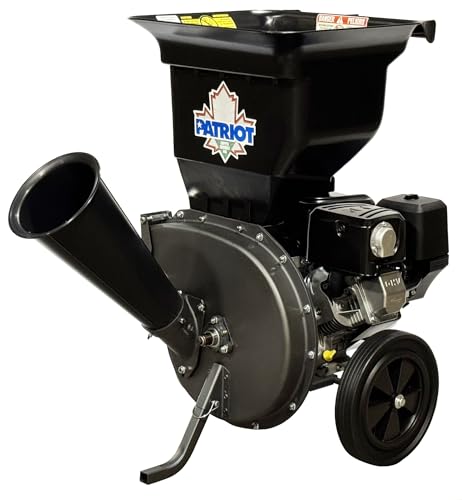
You can put freshly cut green branches through a wood chipper, and they often chip more easily than dry, seasoned wood, but wet leaves and waterlogged debris are a different story and should be avoided. The distinction is between green wood, which chips well, and saturated soft material, which clogs.Green branches hold moisture that keeps the wood slightly softer, so the knives slice cleanly and the machine feeds smoothly. Dry, seasoned branches are harder and can bog a small motor. Either way, keep within the rated diameter, shake off soil, and avoid root balls whose hidden grit dulls blades fast.
Wet leaves are the real problem. Damp, matted leaves pack into the shredder chamber, overwhelm the flails, and stall the rotor, leaving you to shut down and clear a soggy jam. Let leaves dry on a tarp or gather them with a leaf blower after the dew lifts, then feed them in a steady stream. If you must process slightly damp leaves, alternate them with dry twigs to keep material moving and clear the discharge screen often.
Keep standing water, mud, and stones out entirely. When leaves or branches are too wet or too big to feed cleanly, wait for a dry day or cut oversized wood down for firewood rather than forcing a clog. Feeding the wrong material is a leading cause of both jams and thrown-object hazards.
Why do wet leaves clog a wood chipper's shredder?
Wet leaves clog a shredder because moisture makes them mat into a dense, sticky layer that the flails cannot throw clear, so material builds up in the chamber and against the screen until the rotor stalls. Dry leaves stay loose and pass through cleanly.The shredder works by flinging torn material through a sizing screen. Dry leaves are light and separate, so they clear the screen and exit as mulch. Wet leaves clump together and cling to the chamber walls and screen, blocking the openings the mulch must pass through. As the blockage grows, the flails meet more resistance, the motor labours, and the machine bogs or stops. This is why every shredder maker insists on dry feeding, and why a damp pile that seems manageable by the handful quickly overwhelms the chamber once you feed volume.
How do you process slightly damp material safely?
Process slightly damp material by feeding small amounts slowly, alternating leaves with dry twigs to keep the flow moving, and clearing the discharge screen often before it blocks. If material is genuinely wet, wait for a dry day instead.The safe method for marginal material follows a few steps, listed below.
- Feed in small handfuls rather than large armfuls, watching the discharge for slowing flow.
- Alternate damp leaves with dry twigs or light branches, so the woody bits help push soft material through.
- Stop and clear the screen the moment chip flow slows, before a full clog forms.
- If the engine note drops, pause and let the rotor recover full speed before feeding again.
Gathering leaves after the dew lifts with a leaf blower, then staging them on a tarp to dry, turns marginal material into easy feeding. When leaves are soaked or matted, no technique beats simply waiting for them to dry.
What happens if you force wet or oversized material through?
Forcing wet or oversized material through a chipper causes jams, strains the motor or engine, and can turn a stalled-then-freed rotor or a kicked-back branch into a thrown-object hazard. It is both the fastest route to damage and a genuine safety risk.Wet leaves jam the shredder, and an oversized or forked branch stops the chipper knives; in either case the machine bogs and the temptation is to push harder or reach in — exactly the actions behind the worst injuries. Overloading also stresses the drivetrain and dulls or chips the blades, shortening the machine's life. The safe response to a stall is always the same: stop feeding, let the rotor recover or shut down fully to clear a jam, never reach in with power connected, and inspect the blades and screen before restarting. Oversized wood belongs elsewhere — cut it to length with a gas chainsaw and split it for firewood rather than forcing a clog.