

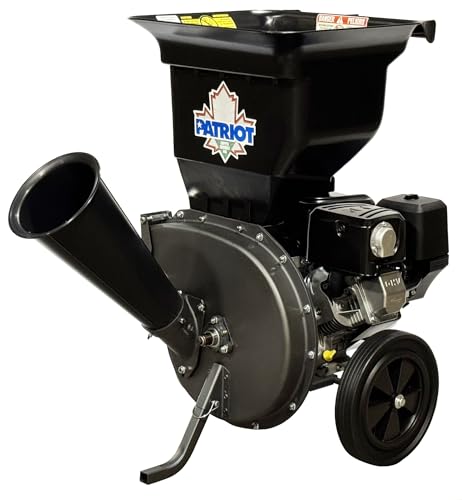


Can a chipper shredder turn leaves into mulch?
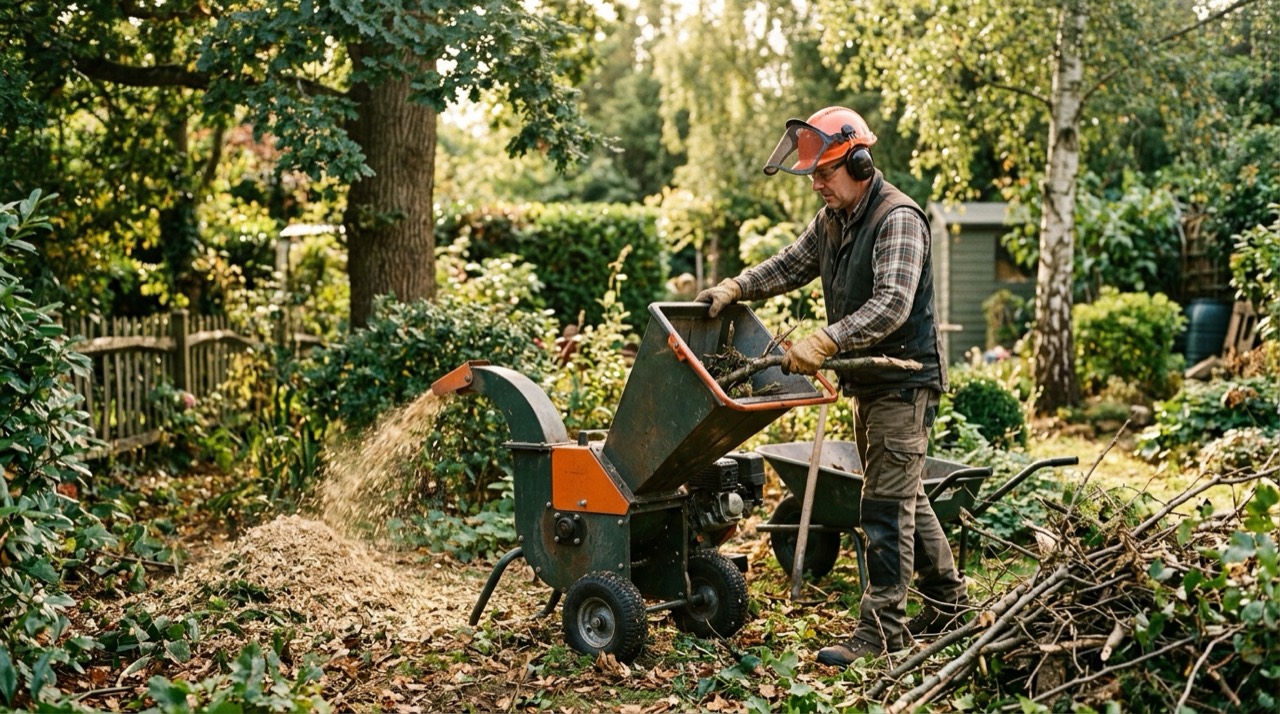
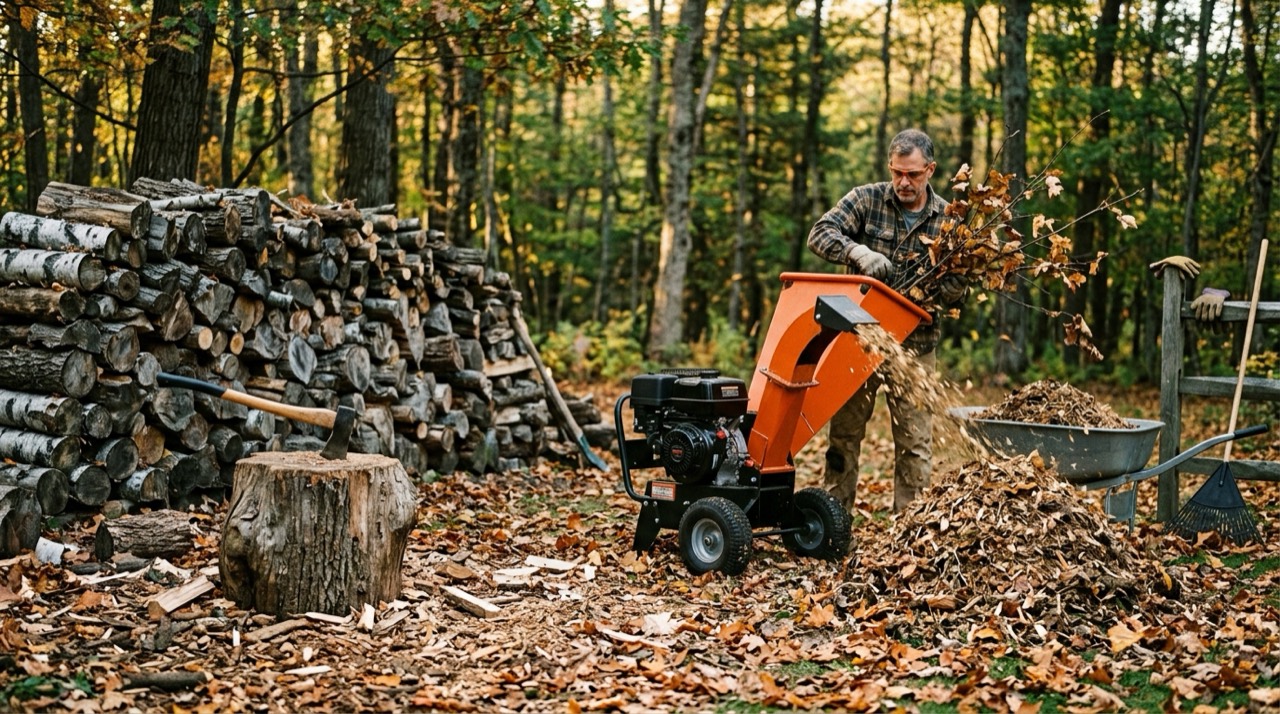
Yes, a chipper shredder turns leaves into fine mulch through its shredder hopper, where flails or blunt blades tear soft material apart rather than slicing it like the chipper knives do. The result is a fluffy mulch that breaks down quickly in compost or spreads thin on beds.The shredder side exists precisely for this. Feed dry leaves, hedge clippings, small twigs, and soft prunings into the shredder hopper, and the machine reduces a large volume to a fraction of its bulk. Chipper knives, by contrast, are for branches; sending leaves through the chipper chute wastes the blade and clogs faster. For a leaf-only job, a dedicated mulcher out-performs a combo, as the wood shredder vs wood chipper comparison explains.
How do you shred wet versus dry leaves?
Shred leaves dry whenever possible, because wet, matted leaves clog the shredder chamber and stall the rotor. If leaves are damp, feed small amounts slowly, mix in dry twigs to keep material moving, and clear the screen often.Moisture is the enemy of every shredder. Wet leaves pack into a dense mat that the flails cannot throw clear, so the chamber loads up and the motor bogs. Rake leaves onto a tarp on a dry day and let them sit if they are damp, or gather them with a leaf blower once the dew has burned off. When you must process slightly damp material, alternate handfuls of leaves with dry twigs so the woody bits help push the soft stuff through, and stop to clear the screen before flow slows to a crawl.
What can you do with the mulch and chips?
Use coarse chips for paths and around established trees, and use fine shredded mulch for garden beds and compost. Both suppress weeds and hold soil moisture, but the finer shredder output breaks down faster and feeds the soil sooner.The two outputs suit different jobs, listed below.
- Spread coarse wood chips on walkways and as a slow-rotting layer around mature trees
- Layer fine shredded mulch on flower and vegetable beds where quicker breakdown helps
- Add shredded leaf mulch to a compost pile as a carbon-rich brown layer
- Bag surplus mulch to cure over winter for next season's beds
Keep fresh wood chips a little away from plant stems and trunks, because a thick pile pressed directly against bark can trap moisture and invite rot over time.
Which materials should never go in the shredder?
Never feed stones, soil, metal, plastic, glossy or treated wood, palm fronds, or anything stringy and wet into the shredder. These dull or break blades, jam the rotor, or become dangerous projectiles out of the discharge.Grit and soil hidden in root balls are the fastest way to ruin cutting edges, and a stray nail or wire can shatter a blade. Stringy vines, long wet grass, and tough fibrous stalks wrap the shaft and stall the machine. Keep the feed to clean, vegetative material within the machine's limits, and cut anything woody and oversized down to firewood with a chainsaw instead of forcing it through the wrong chamber.
How do you get a finer mulch texture?
Run material through a second time, or fit a finer discharge screen if your machine accepts one, to get a finer mulch texture. A slower, steady feed also produces more consistent output than dumping large handfuls that overload the chamber.Texture comes down to screen size and dwell time. A finer screen holds material in the chamber longer so the flails work it further, at the cost of slower throughput. Re-shredding a first pass achieves a similar result on machines with a fixed screen. Feeding steadily rather than in surges keeps the rotor at full speed, which also gives a cleaner, more even mulch for beds and compost. Sharp, correctly set blades matter here too: worn flails tear unevenly and leave a coarse, stringy result no screen can fix, so check the cutting edges before you blame the texture on the machine. For decorative beds where appearance counts, a double pass through a fine screen produces a uniform mulch close to a bagged product.
How do you turn shredded leaves into compost or leaf mould?
Turn shredded leaves into compost by layering them as a carbon-rich brown with nitrogen-rich greens like grass clippings, or pile them alone in a bin to break down slowly into leaf mould. Shredding first speeds both, because torn leaves rot far faster than whole ones.Leaves are mostly carbon, so in a compost pile they balance wet, nitrogen-heavy material such as fresh grass and kitchen scraps. A rough rule is to mix several parts shredded leaves to one part greens, keep the pile moist but not soggy, and turn it to add air. Left on their own, shredded leaves need no greens at all: piled in a bin or wire cage and kept damp, they collapse over a season or two into leaf mould, a dark, crumbly soil conditioner that holds moisture beautifully. Shredding is the accelerator in both routes — a chipper shredder's fine output has vastly more surface area than a whole leaf, so microbes and fungi work through it much faster.
How much can a chipper shredder reduce your yard waste?
A chipper shredder can shrink a pile dramatically — leaf mulchers often reduce loose leaves at published ratios around 10:1 or higher, and combo machines quote chip reductions near 15:1 to 20:1 — which turns many bags of brush into a manageable few.That reduction is the practical payoff: less to bag, haul, or send to green waste, and a compact pile of mulch you can actually use. Loose leaves are mostly air, so a line mulcher packing them tightly gives the biggest volume win, ideal if you fill bin after bin each autumn. Branch chipping reductions are lower but still turn an unwieldy brush pile into a spreadable heap. The figures makers publish are guides for dry, ideal material rather than guarantees, and wet or matted input reduces both the ratio and the machine's willingness to keep feeding. Still, even conservative real-world reduction changes leaf and brush disposal from a hauling chore into on-site mulch.
How deep should you spread wood chip mulch, and where?
Spread wood chip mulch about two to three inches deep on beds and paths, and keep it pulled back a few inches from plant stems and tree trunks. A layer that deep suppresses weeds and holds moisture without smothering roots or trapping rot against bark.Placement matters as much as depth, and the practical rules are listed below.
- Beds and borders: a two-to-three-inch layer of fine shredded mulch suppresses weeds and feeds the soil as it breaks down.
- Tree rings: coarse chips in a wide, flat ring — never a volcano piled against the trunk — hold moisture and slow weeds.
- Paths and walkways: coarse chips laid thick make a slow-rotting, low-cost surface.
- Around stems: always leave a gap, because mulch pressed on bark traps moisture and invites rot and pests.
Fresh chips draw a little nitrogen from the soil surface as they decompose, so keep raw wood chips as a surface mulch rather than digging them into planting soil, and let them age before using them near hungry vegetables.
How do you mulch efficiently across the seasons?
Mulch efficiently by matching the machine's two jobs to the seasons — chip prunings and fallen limbs through spring and summer, and shred the big leaf fall in autumn — so material is processed dry and fresh rather than left to rot in a wet pile.A simple seasonal rhythm keeps the work light. In spring and summer, feed green prunings and hedge trimmings through the chipper side soon after cutting, while the wood is fresh and slices cleanly. Gather that material to the machine rather than dragging the machine around; a compact combo is easy to wheel to a brush pile. In autumn, switch focus to the shredder hopper for the leaf fall, working on dry days and staging leaves on a tarp so you feed a steady, dry stream. Stockpile finished mulch under cover to cure for the next planting season. Spreading the load across the year also spares the blades the abuse of one marathon session, and keeps clogs, which come mostly from wet or rushed feeding, to a minimum.
Can you use fresh wood chips straight away, or should they age?
Fresh wood chips can be used straight away as a surface mulch on paths and around established trees, but let them age before spreading near young plants or vegetable beds, because decomposing raw wood briefly draws nitrogen from the soil surface.The nitrogen effect is shallow and temporary — it happens only where wood meets soil as microbes break it down — so it barely matters under a path or in a wide tree ring. In a productive bed near shallow-rooted or hungry plants, though, it can slow growth for a season. Composting the chips, or simply piling them to weather for a few months, resolves it, leaving a darker, partly broken-down mulch that is safe anywhere. Finer shredder output ages faster than coarse chips because of its greater surface area. When in doubt, keep raw chips on top of the soil rather than mixed into it, and reserve aged or composted material for planting areas.