By Owen Fitzgibbon, Editorial Director & Safety Reviewer · Updated August 31, 2026
Direct Answer
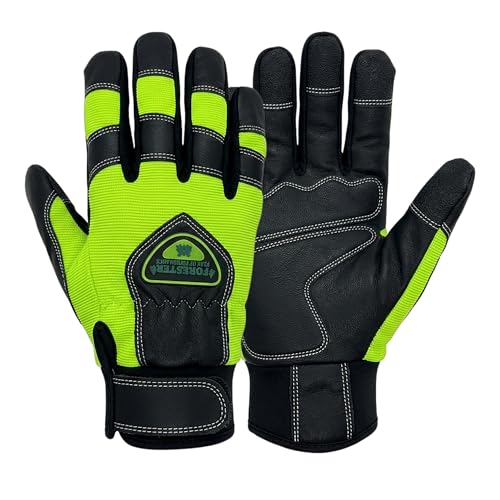
Anti-vibration gloves reduce some higher-frequency vibration but do little for the low-frequency energy a chainsaw produces. Gloves certified to ISO 10819 must cut vibration in the mid and high bands, yet they barely touch the low frequencies most linked to hand-arm vibration syndrome. Treat them as comfort, not a cure.
Anti-vibration gloves help a little, but not where it matters most for chainsaw users. Gloves certified to ISO 10819 are required to reduce vibration in the mid and high frequency bands, and independent guidance is clear that they do almost nothing for the low-frequency vibration that dominates chainsaw and many power-tool exposures. They are a comfort control, not a cure.
Why the low frequencies matter
Hand-arm vibration syndrome (HAVS) is driven largely by sustained low-frequency energy, exactly the band gloves struggle to damp. The padding and gel that soften a high-frequency buzz do little to the slow, heavy vibration a chainsaw sends into the palm and fingers. So while a padded glove feels more comfortable and keeps hands warmer — and cold hands transmit vibration worse and lose blood flow faster — it should not be counted on to prevent HAVS on its own. Some poorly matched anti-vibration gloves can even raise vibration at certain frequencies, which is why the ISO 10819 test exists to weed the worst out.
What actually reduces vibration
The biggest gains come from the tool and the technique, not the glove. The steps below do far more than padding.
Use a saw with effective anti-vibration mounts, and keep those mounts and springs in good order.
Keep the chain sharp so it self-feeds and you do not have to force it — a proper chainsaw maintenance routine matters here.
Hold the saw with a relaxed grip rather than a white-knuckle one, which transmits less energy into the hand.
Rotate tasks and take breaks so no single session runs too long.
Keep hands warm, since warm hands cope with vibration better than cold ones.
Recognising the warning signs
Watch for the early symptoms so you can act before damage sets in. Tingling or numbness in the fingers during or after tool use, patches that turn white or blue in the cold, and a weakening grip are all warning signs of HAVS. They tend to appear gradually and are easy to dismiss, which is why noticing them early matters.
How much difference do anti-vibration gloves make?
Independent guidance suggests the real-world reduction from anti-vibration gloves is modest and concentrated in the higher frequencies, which is not where chainsaw risk sits. In practice that means a padded glove may take the sting out of a high-frequency buzz and make a long session more comfortable, while leaving the damaging low-frequency energy largely untouched. Because the benefit is small and frequency-dependent, safety bodies treat gloves as the last and weakest control for vibration, well behind choosing a lower-vibration tool, maintaining it, and limiting exposure time. Buying a glove and carrying on for the same hours is the wrong lesson to draw; the glove is a comfort layer, and the exposure time is what actually needs to fall.
Why the tool matters more than the glove
A chainsaw's own anti-vibration system does far more than any glove, which is why maintenance is the real vibration control. Rubber mounts and springs isolate the handles from the engine, but they wear and stiffen, so a saw that buzzed less when new can worsen with age and neglect. A sharp chain that pulls itself into the cut means you grip lighter and finish faster, both of which cut exposure; a dull chain forces you to lean on the saw and hold on hard, raising vibration and time on the tool. Keeping the chain sharp and the mounts sound, through a regular chainsaw maintenance routine, protects your hands more than any padding ever will.
A worked example
Say you spend a long autumn day cutting firewood with a gas saw. The biggest reductions come before you reach for a glove: a saw with sound anti-vibration mounts, a freshly sharpened chain that self-feeds, and a plan to break the day into shorter sessions with other tasks in between. A relaxed grip rather than a white-knuckle hold cuts transmitted energy further, and keeping your hands warm preserves blood flow. A padded glove on top adds comfort and warmth, but it is the last few percent, not the fix. If, after a day like that, your fingers still tingle or blanch, the answer is fewer hours and a service on the saw, not a thicker glove.
When to act
If numbness, tingling or whiteness in the fingers persists after tool use, that is a medical warning sign, not a glove-shopping problem — reduce your exposure and seek professional advice. HAVS can become permanent, so the sensible response is less vibration time and better technique, not a thicker glove. For gloves that add genuine comfort on long sessions — worn as one control among several — see the best gloves for work picks and the wider work gloves guide.