


How is the Husqvarna chainsaw glove range organised?
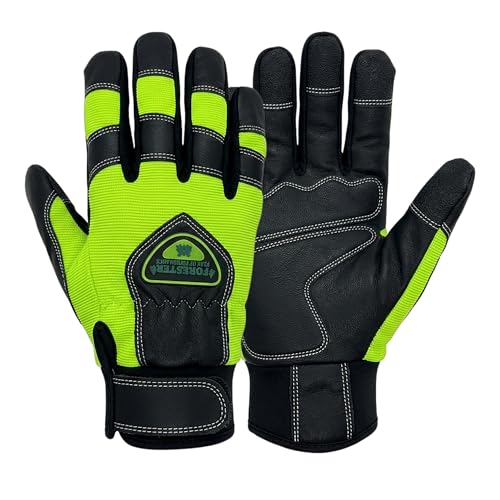
Husqvarna sells chainsaw-protective gloves in a tiered range — commonly the Classic, Functional and Technical lines — that share the same left-hand saw-protection principle but differ in comfort, reinforcement and price. All put a saw-clogging layer on the back of the left hand, so the choice is about fit and features, not whether you are protected. The wider work gloves guide explains how that protection works.Which Husqvarna glove suits a first-time saw owner?
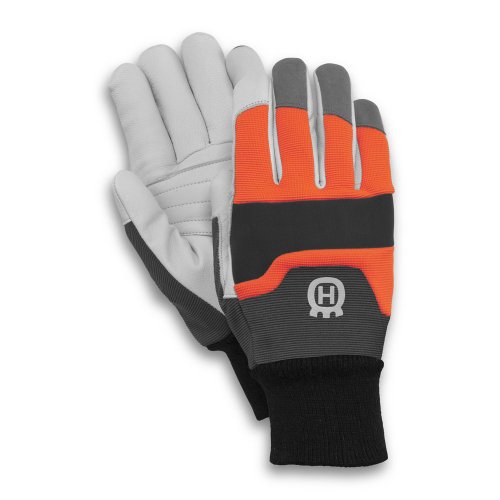
The Husqvarna Classic suits first-time saw owners, because it delivers left-hand saw protection in a simple, well-sized, affordable glove. It skips the extra padding and reinforcement of the pricier lines, which keeps it light and easy to size using Husqvarna's published size chart. For someone buying a first saw and basic PPE together, it puts proper protection on the hand without over-spending.Step up to the Functional line for heavier homeowner use. It typically carries a higher protection class and adds knuckle padding and a more durable palm, which pays off during longer firewood sessions. The Technical line sits at the top for all-round frequent use, pairing a goatskin palm with a breathable, snug-fitting back for the best comfort of the three. The list below sums up who each line suits.
- Classic gloves suit occasional users and first saw owners who want simple certified protection.
- Functional gloves suit busy homeowners who cut regularly and want more padding and durability.
- Technical gloves suit frequent users who want the best grip, breathability and fit in the range.
How do the three lines compare on protection and comfort?
The three lines share the same protective principle but climb in class, padding and palm quality as the price rises. Reading them side by side makes the step-ups clear, so you pay for the features you will actually use rather than the badge. The table below lines up the typical differences.| Line | Typical protection | Comfort features | Best for |
|---|---|---|---|
| Classic | Left-hand pad, EN ISO 11393-4 | Basic leather-and-fabric build | First saws, occasional cutting |
| Functional | Class 1 (20 m/s), left hand | Knuckle padding, tougher palm | Regular homeowner firewood work |
| Technical | Left-hand pad, EN ISO 11393-4 | Goatskin palm, breathable stretch back | Frequent all-round use |
The pattern is a steady trade of price for comfort and durability, not a jump in whether you are protected — a correctly-sized Classic protects the back of the left hand on the same principle as the Technical. Choose the line by how many hours you cut and how much comfort those hours justify, and see the chainsaw glove roundup for how these sit against other brands.
How do you size and fit Husqvarna gloves?
Size Husqvarna gloves by measuring around your palm at the knuckles and matching that to the brand's numeric size chart, then flexing your hand to check the fit. A correct glove wraps snugly with no loose fingertip, follows your hand when you make a fist, and holds the cuff closed without gaping. Because Husqvarna publishes a full size run, most users find an exact fit rather than rounding up.Fit matters for safety, not just comfort. A glove that is too big bunches in the palm and can snag; one that is too small tires your hand and tempts you to take it off. Try the glove with the grip you actually use on the saw, and if you cut in winter, size to allow a thin liner without losing dexterity. Keep the fit snug enough that the glove never shifts during a cut, the same standard covered in the chainsaw glove roundup. Because the protective pad sits on the left glove, fit that hand first; a left glove that slides moves the very panel meant to protect you.
What about Husqvarna's non-protective work gloves?
Husqvarna also sells general work gloves, such as the Xtreme Grip and Technical Grip lines, that are built for grip and abrasion but carry no chainsaw saw-protection layer. These suit hauling, splitting and workshop tasks, not running a saw — a distinction worth checking on the label before you buy, because the model names sit close together in the range. The rule is simple: if a glove does not state left-hand saw protection to EN ISO 11393-4 (or the older EN 381-7), treat it as a general work glove and keep it for non-saw tasks. For actually cutting, stick to the Classic, Functional or Technical protective lines, and never assume a comfortable grip glove doubles as saw protection. The names can mislead — "Technical Grip" is a general glove, while "Technical" chainsaw gloves are protective — so read the standard on the cuff, not the marketing name, whenever the two sit together on a shelf.How does Husqvarna compare with Stihl and Oregon chainsaw gloves?
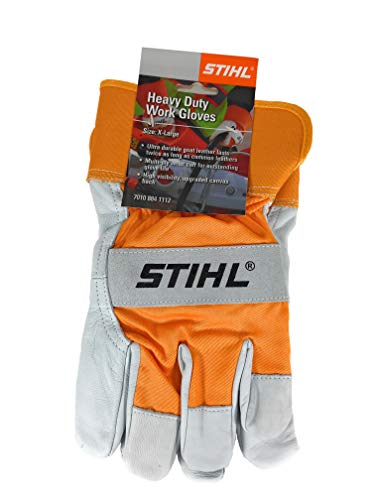
Husqvarna, Stihl and Oregon all make certified chainsaw gloves on the same left-hand protection principle, so the comparison is about range, fit and weather focus rather than whether you are protected. Husqvarna's strength is a clear tiered range — Classic, Functional and Technical — that lets you buy exactly the level of comfort and class you need, backed by a full published size run that makes fitting straightforward. Stihl's chainsaw gloves, such as the Dynamic Protect MS, lean toward robust, reinforced builds with a published Class 1 (20 m/s) rating aimed at frequent and semi-professional cutting. Oregon's Fiordland is the specialist of the three, built waterproof and insulated for cold, wet felling where dry, warm hands matter more than summer breathability. None of the three is simply "best" — the right choice follows your saw's chain speed, your climate and the fit that stays put on your hand. The chainsaw glove roundup lines these picks up side by side.Are Husqvarna chainsaw gloves worth the price?
Husqvarna chainsaw gloves are worth the price for users who value a proven range, easy sizing and matched PPE, though a certified budget glove protects on the same principle. What you pay extra for is durability, palm quality and comfort over long sessions, not a different class of safety — a correctly-sized generic glove certified to EN ISO 11393-4 jams a chain the same way a Husqvarna does. Where the brand earns its money is the coherent tiered range and the reliable size chart, which make it easy to buy the right class and fit first time and to replace like with like later. For a homeowner who cuts a few times a season, the Classic or Functional line is ample value; for someone cutting most weeks, the Technical line's goatskin palm and breathable back lower the real cost per use by lasting and staying comfortable. The false economy, as always, is dropping below certification to save money, because an uncertified glove offers no protection against a moving chain.What sizes do Husqvarna chainsaw gloves come in?
Husqvarna publishes a full numeric size run across its glove lines, typically spanning small to extra-large in whole-number sizes, so most hands find an exact match rather than rounding up. Because the protective pad sits on the left glove, fit that hand first: measure around your palm at the knuckles, read the number off Husqvarna's chart, and favour the snugger size if you fall between two. The lines share the same sizing logic, so a size that fits in the Classic should fit in the Functional or Technical, which makes stepping up a tier straightforward. Allow only enough room for a thin liner in winter, and never size up for comfort, since a loose left glove moves the very panel meant to protect you.How should you care for Husqvarna chainsaw gloves?
Care for Husqvarna gloves by hand-washing them gently in cool water and air-drying them flat, away from direct heat that can harden the leather palm and degrade the protective fibre. Store them dry and unfolded so they keep their shape, and keep them with the rest of your chainsaw PPE so a matched set is always to hand.Inspect before every use and retire without hesitation. Check the palm for wear-through, the seams for splitting, and the protective back panel for any sign of saw contact — the fibre works only once, so a single strike means replacement even if the glove looks usable. Well-kept gloves last a homeowner a season or two; hard or professional use shortens that, which is why keeping a labelled spare pair with your other safety gear is worth the small cost. Rotating between two pairs also lets each dry fully between sessions, which keeps the leather supple and the fit true for longer. A little leather conditioner now and then keeps the goatskin palm of a Technical glove from stiffening, though you should keep conditioner off the protective back panel so the fibre stays free to move.