

How high off the ground should a firewood rack be?
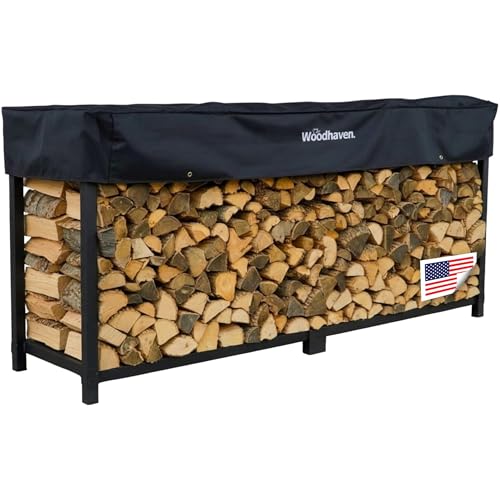
Raise firewood at least a few inches off the ground — 4 to 6 inches, the clearance most steel racks give, is plenty. The gap stops ground moisture wicking into wood you are trying to dry and breaks the contact insects and rot need to reach the pile from below.Even a small lift makes a big difference, and the common ways to get it are listed below.
- A steel firewood rack with raised feet — the simplest, most stable choice.
- Pressure-treated rails or 4×4s laid under a stacked row for a DIY base.
- Pallets as a cheap stopgap, though they rot and sag within a season or two.
Why does ground clearance matter?
Ground clearance keeps firewood dry and pest-free. Wood resting on soil draws up moisture that undoes months of seasoning, and constant damp invites fungus, termites, and carpenter ants. Lifting the pile lets air circulate underneath so the bottom row dries like the rest.Set the rack’s feet or your rails on pavers, gravel, or compacted soil rather than grass, so the base drains and the legs don’t sink after rain. A rack that settles unevenly can lean and eventually spill its load. For placement and cover advice, see the firewood rack guide, and to buy a rack that provides the clearance for you, compare the best firewood racks. Treat clearance figures as general guidance and adjust for wet or pest-prone yards. The effect is most visible in the bottom row: on bare soil it stays damp and often rots or grows fungus while the rest of the stack seasons, wasting the wood nearest the ground. A few inches of air underneath lets that row dry along with the others.
What can you put under firewood to raise it?
Several cheap bases give the needed lift, and the right one depends on how permanent you want it. A steel rack solves it in one purchase, but if you are raising a pile without a rack, the options below all work.- Pressure-treated 4×4 rails run under the stack are sturdy, rot-resistant, and easy to level.
- Pavers or concrete blocks under 2×4 runners drain well and won’t sink into soft ground.
- A gravel bed raises and drains the whole footprint, useful where the ground stays wet.
- Pallets are the quickest stopgap but rot and collapse within a couple of seasons, so treat them as temporary.
Whatever you choose, keep the base itself off bare soil where you can, so it drains rather than sitting in a puddle after rain.
Do pallets work for raising firewood?
Pallets work as a quick, cheap way to raise firewood, but only as a stopgap. A pallet lifts the stack a few inches and lets air move underneath, which is exactly what the bottom row needs, and free pallets are easy to find. The catch is durability: sitting on damp ground, an untreated pallet rots, sags, and can collapse a loaded stack within a season or two.If you use pallets, get the sturdiest ones you can, set them on gravel or pavers so they aren’t in direct ground contact, and plan to replace them regularly. For anything long-term, a steel rack or pressure-treated rails last far longer for little more effort. To skip the guesswork, compare ready-made frames in the best firewood racks.
How do you keep the base from sinking into the ground?
Keep the base from sinking by spreading the load onto a hard, draining surface. Narrow steel feet or thin rails press into wet soil under a heavy stack and settle unevenly, which tilts the rack and can spill the load, so the fix is to give each contact point more area on solid ground.Practical bases that resist sinking include:
- Patio pavers under each foot, spreading the weight onto a flat, firm surface.
- A compacted gravel bed the length of the rack, which drains and won’t rut.
- Concrete blocks or a small pad for a permanent, heavily loaded stack.
Check the base after the first heavy rain and re-level any foot that has settled. Treat these as general guidance and add more support in soft or frequently wet ground.
Does higher clearance dry wood faster?
A few inches of clearance does the important work; going much higher adds little drying benefit and can make the stack less stable. The gap’s job is to break ground contact and let air pass under the bottom row, and 4 to 6 inches achieves that. Raising a stack a foot or more mainly makes it harder to load and more likely to lean.What matters more than extra height is the base staying dry and level. A low rack on gravel in sun and wind seasons wood better than a tall, wobbly pile in the shade. Focus on clearance plus airflow and a draining base, and treat exact heights as general guidance for your own yard and climate.