

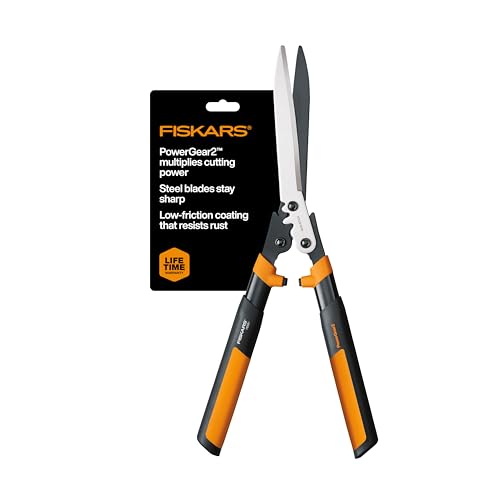


How do you clean garden shears?
Clean garden shears by removing sap and plant debris, drying the blades completely, and protecting the steel with a thin film of oil. Sap and moisture are what dull, gum up, and rust a good pair of shears, so a two-minute clean after every session does more for their life than any single repair.Keep a simple cleaning kit near where you store your tools.
- A stiff brush or plastic scraper for caked debris
- A rag and warm soapy water, or a solvent for stubborn sap
- Rubbing alcohol or a garden disinfectant for the blades
- Light machine oil for the metal and the pivot
What are the steps to clean garden shears?
Work through the steps below after each use, and give the shears a deeper clean at the end of the season.- Brush or scrape loose clippings and soil off the blades and pivot.
- Wipe away sap with warm soapy water or a dab of solvent on a rag.
- Rinse if needed, then dry the blades and joint thoroughly so no moisture is left.
- Wipe the blades and pivot with a lightly oiled rag to seal out rust.
- Work a drop of oil into the pivot and open and close the shears a few times.
What household items can clean garden shears?
Several household items clean garden shears well: warm soapy water lifts general grime, white vinegar dissolves light rust, a paste of baking soda scours stubborn spots, and a citrus or oil-based cleaner shifts sticky sap. Follow any of them with a rinse, a thorough dry, and a wipe of oil.Keep it simple and gentle. Dish soap and warm water handle most sessions, so save vinegar and baking soda for rust and baked-on residue, and always rinse them off, because leaving an acid or salt on the steel invites more corrosion. A rag with a little machine oil finishes the job and seals the blade against rust.
How do you remove sap and rust from shears?
Remove sticky sap with a solvent such as mineral spirits or even a citrus cleaner on a rag, then wash and dry. For light surface rust, rub the spot with fine steel wool or fine sandpaper and a little oil until the metal brightens, then wipe clean and re-oil.Deep pitting is harder to reverse, which is why prevention wins: never put shears away wet or dirty. If rust has stiffened the pivot, free it with penetrating oil before forcing anything, so you do not bend the blades.
Which disinfectant is safe for garden shears?
Isopropyl (rubbing) alcohol is the safest everyday disinfectant for garden shears: it kills plant pathogens, dries fast, and does not corrode steel. Avoid soaking blades in undiluted bleach, which pits and corrodes the metal — if you use it, dilute it well, wipe briefly, then rinse and oil.Alcohol wipes or a rag dampened with rubbing alcohol let you disinfect between plants without stopping to rinse, which is why they suit pruning a known-diseased specimen. A diluted household disinfectant works too. Whatever you use, dry the blades and re-oil afterwards so the cleaning step does not leave them exposed to rust.
Why should you disinfect garden shears between plants?
Disinfecting the blades stops shears from carrying disease from one plant to the next. Cutting a diseased stem and then a healthy one can spread fungal and bacterial problems straight into fresh wounds, so wiping the blades with rubbing alcohol or a garden disinfectant between plants is cheap insurance.It matters most when you are pruning something you know is sick, or moving between prized specimens. A clean, sharp, disinfected blade also makes a cleaner cut that heals faster — clean and sharp go hand in hand. When the edge starts tearing, follow the garden shear sharpening steps to bring it back, and keep the blades keen with the right sharpening files and tools.
How do you deep-clean shears at the end of the season?
At the end of the season, give garden shears a deeper clean than the usual wipe-down: strip off caked sap and grime, clear any surface rust, dismantle the pivot if it will come apart, and coat every surface in oil before storage. This is what stops a winter in the shed from pitting the steel.Work through it in order.
- Scrape and brush off dried sap, soil, and clippings from the blades and pivot.
- Wash with warm soapy water or a solvent, then dry every surface fully.
- Lift any surface rust with fine steel wool and a little oil until the metal brightens.
- Oil the blades and pivot, then hang the shears in dry outdoor tool storage.

