

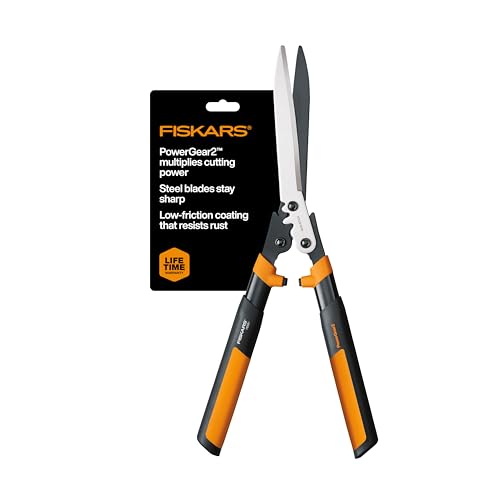


How do you sharpen hedge shears?
Sharpen hedge shears by running a mill file along the bevelled outer edge of each long blade at its original angle, then removing the burr and resetting the pivot. Long two-handed hedge shears have more blade to cover than small garden shears, so the job takes a little longer but follows the same principles.Set yourself up properly before you start, with the items below to hand.
- A flat mill file, and a whetstone to finish the edge
- A bench vice or clamp to hold the long blades steady
- A rag and light oil for cleaning and protecting the steel
- Gloves and eye protection
What tools do you need to sharpen hedge shears?
A flat mill bastard file does most of the work on long hedge-shear blades, backed by a whetstone or diamond stone to finish the edge and a clamp or vice to hold the blade steady. A bench grinder is best avoided, as it overheats the long edge and removes too much steel.Long blades reward a coarse-then-fine approach: the mill file cuts the bevel back evenly, and a stone refines it to a keen edge. A clamp frees both hands and keeps the file angle steady from pivot to tip, which matters more on a long blade than a short one. Add a rag and light oil to clean and protect the steel when you finish.
What are the steps to sharpen hedge shears?
Because the blades are long, secure the shears and work in sections. The steps below keep the edge even from pivot to tip.- Clean the blades and, on shears that come apart at the pivot, separate them for easier access.
- Clamp one blade with the bevel facing up so it cannot move.
- File along the bevel at the factory angle in one direction, moving steadily from pivot to tip.
- Overlap your strokes so the whole edge is sharpened evenly, not just the middle.
- Turn the blade and lightly deburr the flat inner face, keeping it flat, then repeat on the second blade.
Which angle should you file hedge shears to?
File hedge shears to their existing bevel, usually somewhere around 20 to 35 degrees, rather than guessing a new one. Matching the factory angle keeps the edge both keen and durable; a much steeper angle blunts quickly, while a much shallower one chips on twigs.Sharpen only the outer bevel and leave the flat inner faces untouched, so the two blades keep passing tightly in their bypass scissor action. Long hedge-shear blades are more prone to a gap in the middle, so check the blades meet cleanly along their length and adjust the pivot until they do.
Can you sharpen hedge shears without removing the blades?
Yes — hedge shears can be sharpened without splitting them at the pivot. Open the blades wide, clamp one steady, and file its exposed bevel from pivot to tip, then do the other. Taking the shears apart gives cleaner access to the full edge but is only worth it for a heavy re-grind.For a routine touch-up, leave the pivot bolt done up and simply file each open blade in turn. Separate the blades only if the pivot needs cleaning, the edge is badly nicked, or you cannot reach the full length with the shears assembled. Re-oil the joint before you put them back together.
How often should hedge shears be sharpened?
Sharpen hedge shears whenever the cut starts to tear or fold growth rather than slice it — for most gardeners a few touch-ups across the trimming season, plus a fuller edge before winter storage. Cutting dense or gritty growth, or letting sap build up on the blades, brings the next sharpening sooner.Keeping the blades wiped clean, dry, and lightly oiled between uses stretches the interval, because sap and rust are what dull an edge fastest. A short hone the moment cuts turn ragged is quicker than a full re-grind later, and it keeps every trim clean and easy on your hands.
How do you set the pivot after sharpening?
Set the pivot so the blades close with a slight, even drag from pivot to tip. Tighten the pivot bolt gradually and test the cut on a soft twig: too loose and the blades fold growth instead of slicing it, too tight and they bind and tire your hands. Aim for smooth resistance the whole way.Finish by wiping the blades clean and running a lightly oiled rag over the steel and into the joint. For the files and stones that do the work, see the sharpening files and tools guide, and browse keen-edged pairs in the best hedge shears round-up.

