


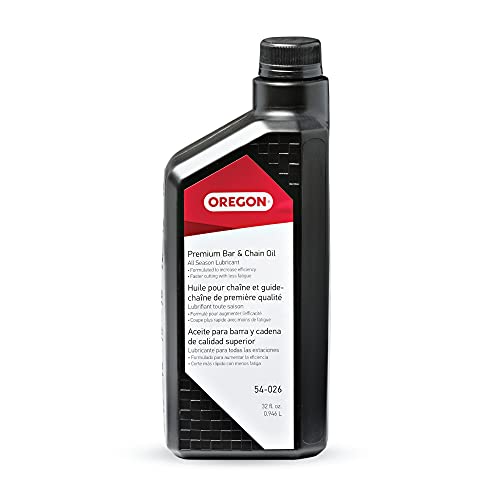

Does bar and chain oil go bad?
Bar and chain oil has a long shelf life, but how long depends on its base. Standard petroleum (mineral) bar oil is chemically stable and stays usable for years if the container is sealed and stored out of heat and sunlight. Biodegradable vegetable-based oils are designed to break down, so they naturally have a shorter usable life.
How long does bar oil last?
Sealed petroleum bar oil kept cool and dry can last several years with little change. Once a container is opened, keep it tightly capped to stop dust, water, and debris getting in — contamination, not age, is what usually spoils bar oil, because grit and moisture reach the bar and oiler. Biodegradable oils such as Stihl BioPlus are best used within about one to two years, as they can oxidise, thicken, or turn slightly rancid over time.
Why does biodegradable oil have a shorter life?
Biodegradable bar oil breaks down faster by design, and that same property shortens its shelf life. Vegetable-based oils are made to be digested by soil micro-organisms when they land on the ground, which is exactly why they suit orchard, park, and streamside work. The trade-off is that they also oxidise in the bottle over time, thickening and developing a sour smell once opened, whereas mineral oil's petroleum base resists that change for years. If you buy a bio oil, buy a size you will use within a season or two and keep it tightly sealed between jobs.
How do you tell if bar oil has gone off?
Check for changes in look and feel. Bar oil that has thickened noticeably, separated, turned cloudy, developed a sour smell, or picked up visible grit and water should not go in the tank. Thickened or contaminated oil can clog the oiler port and starve the bar, so it is not worth risking on a saw.
Can you still use old bar oil?
Sometimes — clean, sealed petroleum oil that merely looks and pours normally after a couple of years is fine to use. The deciding factor is condition, not the date: if the oil is still clear, smells normal, and flows as it should, it will lubricate as intended. Discard it only if it has thickened, gone cloudy, separated, or picked up water and grit, because contaminated oil clogs the oiler and starves the bar. When in doubt with a nearly-full old jug, straining out any debris is not worth the risk to a bar and chain — fresh oil is cheap.
Does mixed fuel go bad faster than bar oil?
Yes — mixed two-stroke fuel spoils far faster than bar oil, and it is worth keeping the two shelf lives separate in your mind. Bar oil, especially the petroleum kind, stays stable for years sealed, while mixed fuel is usually only good for about 30 days because the ethanol in pump petrol absorbs moisture and degrades. The two-stroke oil itself is not what goes off in the fuel — it is the petrol. That difference shapes how you buy and store each: buy bar oil in a size that suits your workload without worrying much about age, but mix only as much fuel as you will burn in a month, or reach for canned pre-mix that stays stable for years. Stale fuel is the top cause of spring starting trouble, whereas old but clean bar oil usually just needs a quick look before use. If you keep both on the shelf, treat the fuel as the perishable item to rotate often and the bar oil as the long-life stock, and you will rarely be caught out by either.
How should you store bar oil?
Store bar oil sealed, upright, and labelled, in a cool, shaded place away from temperature swings. Cold thickens oil and can make winter pouring difficult, so bring it somewhere warmer before cold-weather cutting. Wipe up spills promptly, since oil on a floor is a slip hazard. A worked routine: keep the jug on a shelf in the shed, capped tight, and give it a quick look and sniff each spring before the cutting season — a few seconds that saves a fouled oiler. Good oil habits sit alongside general chainsaw maintenance, the outdoor tool storage guide covers keeping supplies in good order, and the best bar and chain oil guide covers which oils store best.

