






Can you use motor oil in a 2-stroke engine?
No — do not use regular motor oil in a two-stroke chainsaw engine. Two-stroke oil is designed to be mixed with petrol and burned in the combustion chamber, while motor oil is designed to circulate in a sump and is not made to combust cleanly. Using motor oil in the fuel mix fouls the engine and can damage it.
The confusion is understandable: both are "oil", and older machinery sometimes ran on ordinary oil. But modern two-stroke chainsaws are built around purpose-blended, low-ash two-stroke oil, and the two products solve opposite problems.
Why do people think motor oil works?
The idea that motor oil will do lingers because, decades ago, some crude two-stroke engines really did run on whatever oil was on hand, and because both oils look and feel similar in the bottle. In an emergency a small amount of motor oil in the mix will lubricate for a short time, which reinforces the myth that it is a safe substitute.
The reason it is still a bad idea comes down to how the oils are made to end their life. Motor oil is formulated to circulate and never burn, so it is loaded with anti-wear and detergent additives that leave heavy ash when forced through combustion. Two-stroke oil is the opposite — a low-ash blend designed to burn with the fuel and leave almost nothing behind. Running a saw on motor oil trades a few saved dollars for fouled plugs, carbon, and a shortened engine life, which is a poor bargain against the low cost of proper two-stroke oil.
How is 2-stroke oil different from motor oil?
Two-stroke oil and motor oil differ in where they work and how they are meant to end their life. The key differences are set out below:
- Two-stroke oil mixes into the petrol, lubricates the crank and piston once, and is burned with the fuel.
- Motor oil circulates continuously in a four-stroke engine's sump and is never meant to be burned.
- Two-stroke oil is low-ash, so it combusts with minimal deposits; motor oil leaves heavy ash and carbon when burned.
- Two-stroke oil carries JASO or ISO air-cooled ratings; motor oil carries API and SAE grades for a different job entirely.
Burning motor oil in a two-stroke fouls the spark plug, cakes carbon on the piston and exhaust port, clogs the spark arrestor, and produces thick smoke. Two-stroke oil also contains solvents and additives that let it disperse evenly through the petrol and burn with it, which ordinary motor oil is never formulated to do.
What happens if you use motor oil in the fuel mix?
Using motor oil in the two-stroke mix causes fast carbon build-up and poor running, and can lead to engine damage over time. The heavy ash content that four-stroke oil leaves behind coats the combustion chamber and exhaust, the plug fouls and the saw becomes hard to start, and power drops as the exhaust port clogs. Motor oil also does not blend into petrol as cleanly, so lubrication across the crank and piston is less consistent. In the worst case, poor lubrication and overheating score the cylinder and end the engine's life.
If you have run a tank of motor-oil mix, drain it, refill with a correct petrol-and-two-stroke-oil blend, and expect to clean or replace the spark plug. Persistent use will eventually need the muffler and exhaust port de-carbonised.
What are the warning signs you used the wrong oil?
A saw run on motor oil, or on any wrong oil, tells you quickly through smoke, fouling, and hard starting. Spotting the signs early lets you drain and correct the mix before lasting damage sets in. Watch for the following symptoms:
- Thick blue-white smoke well beyond the light haze a two-stroke normally makes.
- Hard starting or repeated stalling as the spark plug fouls with carbon.
- A noticeably oily, sooty spark plug when you pull and inspect it.
- Loss of power and a "blubbering" note as the exhaust port and muffler clog.
- A gummy, tarry residue building around the exhaust and spark arrestor.
Any of these after a fuel change is reason to stop, drain the tank, and refill with a properly mixed blend. If the saw was instead run lean or on straight petrol, the danger sign is different — a sudden loss of power or a seizure — and that calls for inspection rather than just a plug clean.
How do you recover an engine run on motor oil?
Drain the bad mix, refill with correct fuel, and clean the fouled parts the wrong oil left behind. Most saws recover fully if the mistake is caught before the cylinder is scored. Work through these steps:
- Drain the tank of the motor-oil mix into an approved container for disposal.
- Refill with fuel mixed to the maker's ratio using a proper two-stroke oil.
- Remove and inspect the spark plug; clean off carbon or fit a new plug if it is heavily fouled.
- Run the saw and expect some smoke as residual oil burns off.
- If power stays low, have the muffler and exhaust port checked and de-carbonised.
A saw caught early and cleaned up will usually run normally again. The cost of the cleanup is still far more than the price of the correct oil would have been, which is the practical argument for never substituting in the first place.
Can you use motor oil as chainsaw bar oil instead?
Motor oil is sometimes poured into the bar-oil tank as a substitute, and while it will lubricate briefly, it is a poor and messy choice. Motor oil lacks the tackifier that keeps bar oil clinging to a fast chain, so it slings off quickly, uses up fast, and sprays a fine oil mist over you and the work. That mist coats the saw, your clothing, and everything nearby, and a thinner oil can also run past the oiler faster than the pump expects. Used motor oil is worse still — it carries combustion metals and fuel dilution, is an environmental hazard, and is illegal to dispose of by spraying it around in many areas. If you ever have no bar oil at all, a food-grade vegetable oil is a cleaner one-cut stopgap than engine oil.
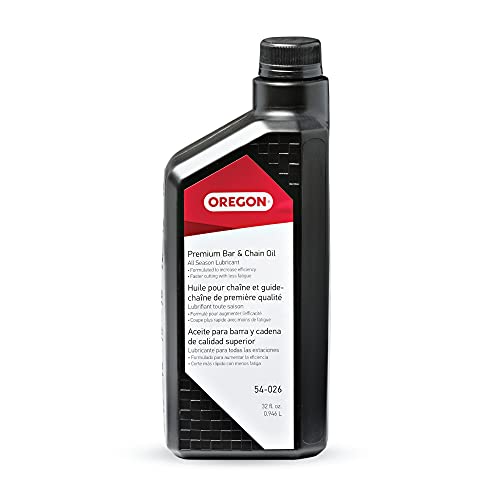
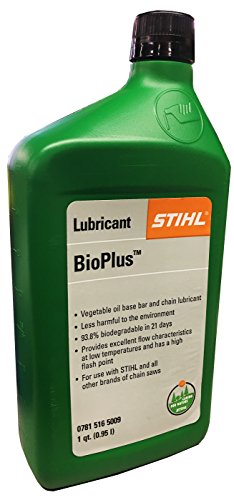
For anything beyond a one-cut emergency, use purpose-made bar and chain oil, compared in our best bar and chain oil guide. It is cheap, clings properly, and protects the guide bar and chain.
What about other substitutes — vegetable oil, ATF, or gear oil?
None of the common substitutes is a real replacement for the right two-stroke and bar oils, though they differ in how much harm they do. It helps to know where each stands so you neither ruin a saw nor panic in a genuine pinch. The honest ranking is as follows:
- Food-grade vegetable oil: the least-bad one-cut bar-oil stopgap, since it is non-toxic, but it lacks tack, oxidises, and can gum the oiler if left in.
- Automatic transmission fluid (ATF): thin, not tacky, and not made to burn — poor as either bar oil or two-stroke oil, and no substitute for either.
- Gear oil: far too thick for a bar oiler and wrong for the fuel mix; it will not flow or burn as needed.
- Used or fresh motor oil in the fuel: never — the ash and additives foul and can damage the engine.
The takeaway is that substitutes are at best a way to finish a single cut, never a plan. Keeping one two-stroke oil and one bar oil on the shelf costs little and removes the temptation entirely, which is where most engine-killing mistakes begin.
What should you use instead of motor oil?
Use a dedicated two-stroke oil rated JASO FD or ISO-L-EGD in the fuel, and purpose-made bar and chain oil in the oil tank. Both are inexpensive and formulated for exactly the job a chainsaw asks of them. If you want the cleanest burn, a full-synthetic two-stroke oil smokes least; if you want convenience, pre-measured bottles dose a tank without a measuring cup. Keep one two-stroke oil and one bar oil on the shelf and you never have to improvise, which is where most engine-killing mistakes start. Either way, the money saved by substituting motor oil is quickly lost to fouled plugs, carbon, and a shortened engine life.