


What is bar and chain oil?
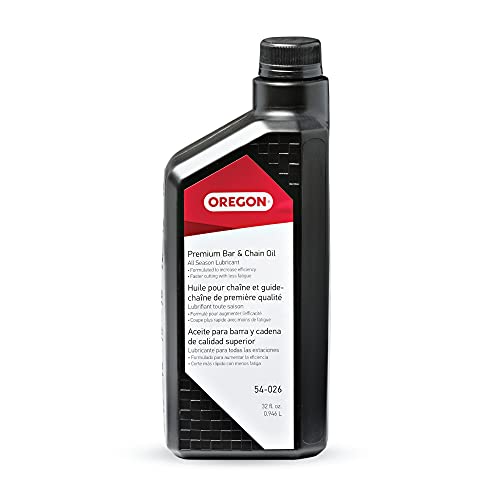
Bar and chain oil is the lubricant a chainsaw automatically feeds onto its guide bar and chain while cutting. It is a viscous oil with a tackifier — a stringy additive that resists the centrifugal force of a chain moving at high speed, so the oil stays on the bar and chain rather than spraying straight off.
What does bar and chain oil do?
Bar and chain oil keeps a lubricating film between three fast-moving parts: the chain, the metal bar rails it rides in, and the drive sprocket that pulls it. That film cuts friction and carries away heat, which stops the chain and bar from overheating, wearing prematurely, or discolouring. A saw run without bar oil ruins its bar and chain in minutes.
How is it different from other oils?
Bar and chain oil differs from motor oil and general lubricants mainly in its tack. Ordinary oils sling off a spinning chain within seconds; the tack additive in bar oil is what makes it stay put and lubricate under real cutting speeds. Bar oil is also sold in viscosity grades matched to temperature — a thicker summer grade and a thinner winter grade — and in biodegradable vegetable-based versions such as Stihl BioPlus for work near soil and water.
Is bar oil the same as chain oil?
Yes — "bar oil", "chain oil", and "bar and chain oil" all name the same product. The single oil lubricates the bar and the chain together, because they work as one system: the chain rides in the bar's rails, so oiling one oils the other. There is no separate "chain-only" oil to buy; a bottle labelled any of those three ways is the correct product for both.
How is bar oil delivered to the chain?
Bar oil sits in its own tank on the saw, separate from the fuel, and an automatic oil pump feeds it through a port onto the bar as the chain runs. The tank empties at roughly the same rate as the fuel tank, so you top up both together. You can check it is working by revving the saw near a light surface and looking for a thin line of thrown oil.
How much bar oil does a chainsaw use?
A chainsaw uses bar oil at roughly the same rate it burns fuel, which is why the oil and fuel tanks are sized to empty together — refill both every time you stop. A correctly set oiler lays down a fine, continuous film, using more under heavy load and less at idle, so a saw working hard through dense wood gets through oil faster than one making light cuts. Longer bars and dry hardwood raise consumption further, and a saw with an adjustable oiler turned up will empty its tank sooner. The practical habit is to top up the oil at every refuel and never let the tank run dry mid-cut, because even a few seconds of dry running overheats the bar and chain. Because bar oil is inexpensive, using plenty is far cheaper than the bar and chain a dry cut destroys. A quick oiler check before each session — revving the saw over a light surface and watching for a thrown oil line — confirms the oil is actually reaching the bar rather than just draining from the tank.
Can you make your own bar oil or skip it?
You cannot safely skip bar oil, and homemade substitutes are a stopgap at best. The chain and bar generate real heat at cutting speed, and without a clinging lubricant they overheat and wear out fast. In a true emergency a food-grade vegetable oil will lubricate for a cut or two, but it lacks tack, throws off quickly, and can gum the oiler if left in the tank — so it is never a substitute for the real thing. Used motor oil is worse still, spraying combustion metals around the work and the operator. Because purpose-made bar oil is inexpensive, keeping a sealed jug on the shelf is far cheaper than the bar and chain a dry cut destroys.
Choosing the right oil is straightforward — our best bar and chain oil guide compares the leading options, the chainsaw bar guide explains how the bar it protects is built, and keeping the chain sharp reduces the heat the oil has to manage.

