


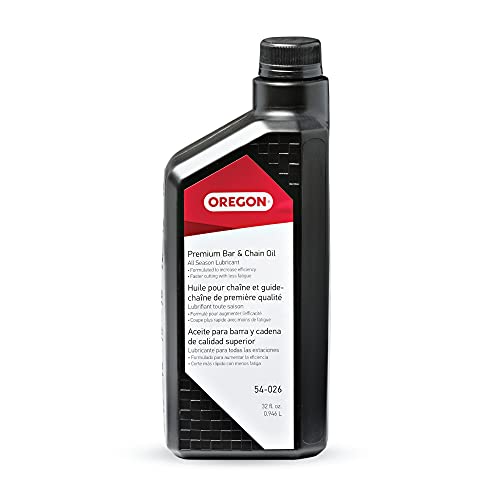

Is bar and chain oil flammable?
Bar and chain oil is combustible rather than flammable in the strict safety sense. Like most lubricating oils, its flash point — the temperature at which it gives off enough vapour to ignite — sits well above normal room and working temperatures, so it does not form an easily ignited vapour the way petrol does. It will still burn if it is heated enough and meets a flame, so it is not fireproof.
What is the difference between flammable and combustible?
The distinction is about flash point. Flammable liquids like petrol have very low flash points and give off ignitable vapour at ordinary temperatures, so a spark can set them off. Combustible liquids such as bar oil have much higher flash points and need to be heated substantially before they will ignite. Bar oil falls firmly in the combustible group, which is why it is far less of a fire risk to store than fuel — but it is not a non-hazard.
How does bar oil compare with chainsaw fuel?
Bar oil and petrol sit at opposite ends of the fire-risk scale, and treating them the same way misjudges both. Petrol and mixed two-stroke fuel are highly flammable: they release ignitable vapour at everyday temperatures, that vapour is heavier than air and can travel to a distant ignition source, and a single spark can set it off. Bar oil releases no such vapour under normal conditions and needs real heat before it will burn. The practical result is that the fuel demands the strict handling — no naked flame, no smoking, good ventilation, sealed approved cans — while the oil needs only sensible care away from direct heat.
Can oily rags catch fire on their own?
Yes — this is the one real fire hazard bar oil shares with many oils, and it is worth knowing. Rags soaked in oil can, in the right conditions, generate heat as the oil oxidises, and if that heat cannot escape from a bunched-up pile it can build until the rag ignites without any flame or spark. The risk is low with mineral bar oil but not zero, and it is higher with vegetable-based oils. The safe habit is simple: never leave oily rags in a loose heap. Lay them flat to dry outdoors away from anything combustible, or seal them in a metal container with a lid.
How should you store and handle bar oil safely?
Store bar oil sealed and away from direct heat, open flame, and ignition sources, and keep oily rags in a sealed metal container, since oil-soaked cloth can, in the right conditions, generate heat as it oxidises. Clean up spills promptly to remove both a slip and a fire hazard. The far bigger fire risk around a chainsaw is the petrol and mixed fuel, which is highly flammable and must be stored and handled with much more care than the oil.
What should you do if bar oil or fuel catches fire?
Treat an oil or fuel fire as you would any flammable-liquid fire: never use water, which spreads burning liquid, and smother it instead. A dry-powder (ABC) extinguisher is the right tool for a small petrol or oil fire, and keeping one in the shed where fuel is stored is a sensible precaution. For a tiny contained flare you can also smother it by cutting off the air, but any fire that is not instantly controllable is one to leave — get clear and call the fire service. The far more likely hazard is the fuel rather than the oil, since petrol vapour ignites easily and can flash across a bench, which is why fuel is kept away from ignition sources in the first place. Prevention beats any response: no naked flame or smoking around fuel, good ventilation, and oily rags sealed in a metal tin so they cannot heat and ignite on their own.
What is the safest way to store oil and fuel together?
Keep fuel and oil in separate, clearly labelled, approved containers, and give the fuel the more cautious spot — cool, shaded, ventilated, and well away from any heater, pilot light, or living space. A worked setup: bar oil on a low shelf where a spill is contained, mixed fuel in an approved can on the floor of a ventilated shed away from ignition sources, and oily rags sealed in a metal tin rather than left loose. That separation keeps the low-risk oil and the high-risk fuel each handled to its own level. For safe fuel practice alongside oil handling, see the gas chainsaw guide, the outdoor tool storage guide, and the wider safety gear and accessories hub.

